World news and discussion on TalkFuse.
‘Black Zombie’ Review: An Engaging Doc on How the Flesh-Eating Hordes of Screen Fame Obscured Painful Real-Life History
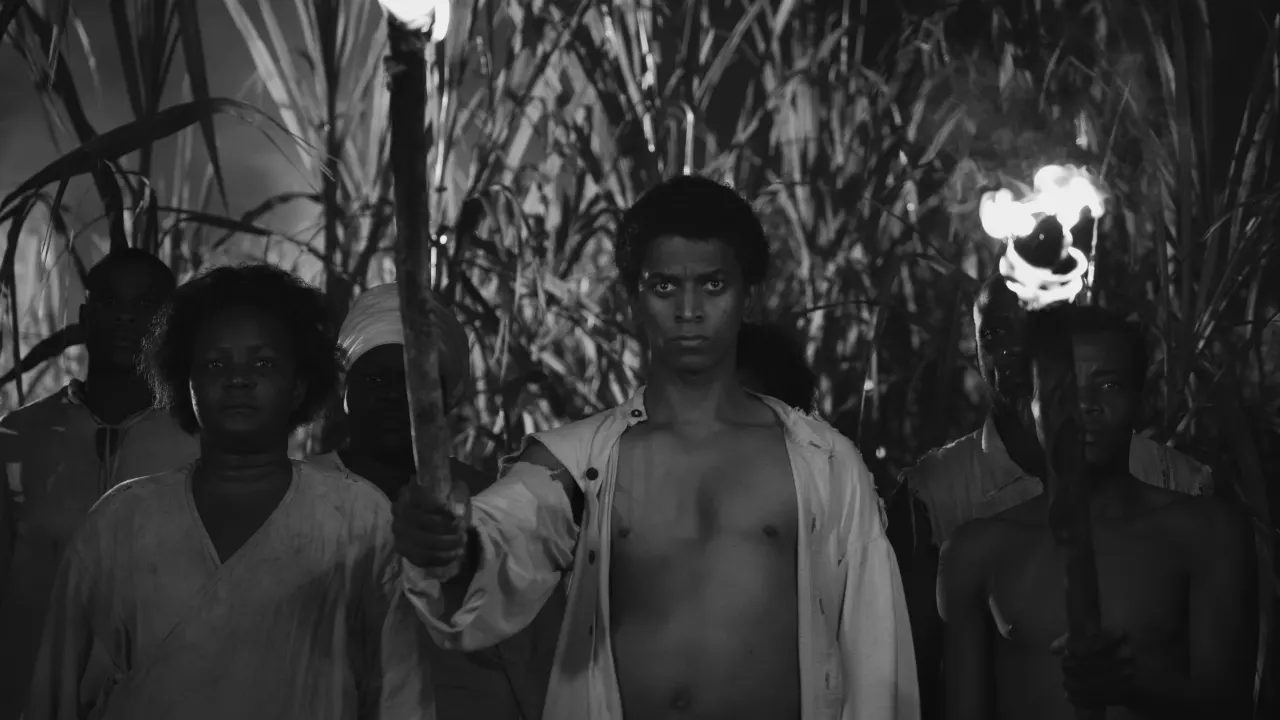
Maya Annik Bedward’s documentary “Black Zombie” examines nearly a century of zombie cinema and argues that the genre has obscured the painful Haitian history and beliefs from which it emerged. The review finds the film engaging for treating the zombie not simply as a horror icon, but as evidence of cultural appropriation and distortion.
The film contrasts today’s hugely popular, flesh-eating screen zombies with earlier Haitian ideas of people deprived of their will and forced into labour. It traces modern cinematic conventions back through George A. Romero’s 1968 “Night of the Living Dead” to William Seabrook’s 1929 book “The Magic Island”, while placing Haitian zombie beliefs in the context of colonial slavery, Vodou and exploitation. Kino Lorber is due to release the Canadian documentary in the US on 11 September.
In short
- The documentary reclaims zombies’ Haitian historical roots.
- It critiques horror cinema’s cultural distortions.
- US release is scheduled for 11 September.
Explained simply
Zombies have become one of popular culture's most recognisable monsters, depicted in films as reanimated corpses that consume human flesh. This image has dominated cinema for nearly a century, beginning with George A. Romero's influential "Night of the Living Dead" in 1968 and becoming increasingly prevalent in contemporary horror entertainment.
The zombie concept actually originated in Haiti, rooted in Vodou spiritual practices, colonial slavery and beliefs about people stripped of their will and forced into labour. However, Western cinema transformed the concept significantly, adopting the name whilst discarding the cultural and historical context that made it meaningful in Haitian tradition.
Maya Annik Bedward's documentary "Black Zombie" examines this gap between the modern film image and its Haitian origins, tracing how the zombie evolved through Western film history. The film places this evolution within the context of colonial slavery, Vodou practice and exploitation, exploring questions of cultural appropriation and the origins of imagery that has become central to popular entertainment.
Americas Art Culture Entertainment Film Horror World