Video games news, releases, esports and culture — all the biggest gaming stories in one place.
AMD is reportedly raising graphics card prices—it was just waiting for Nvidia to do it first
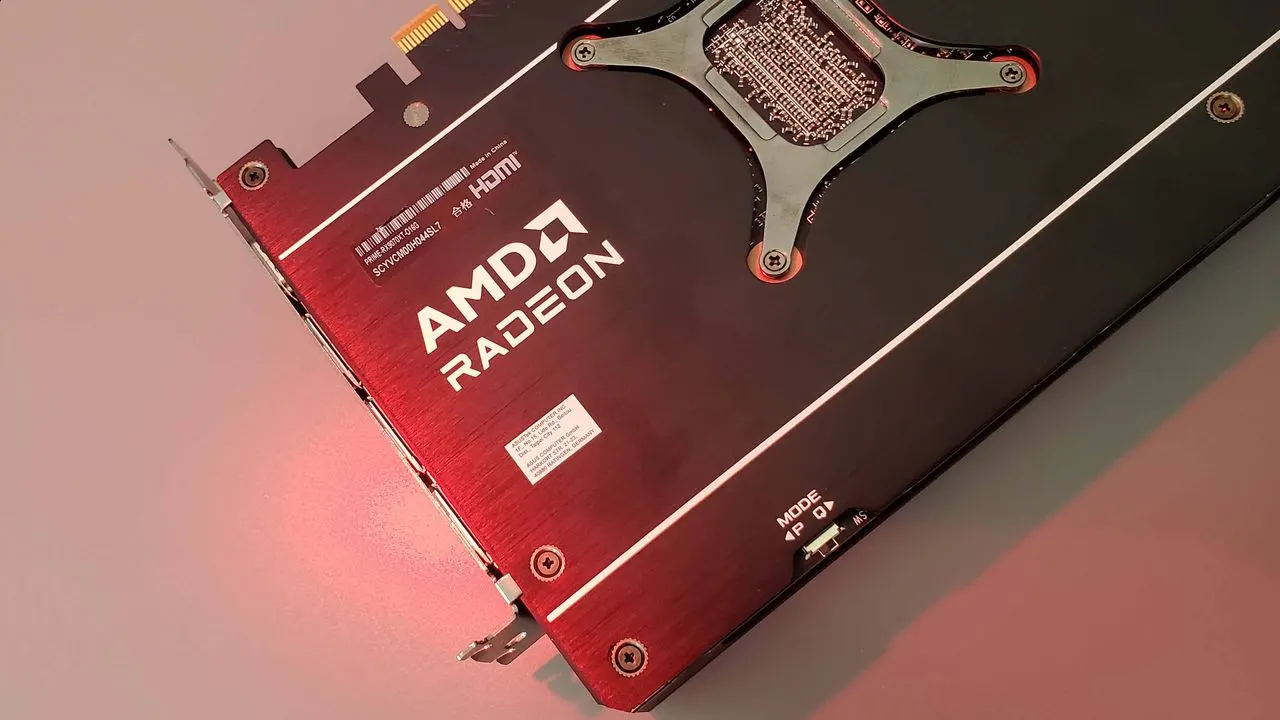
AMD is reportedly raising the prices it charges graphics-card manufacturers for Radeon GPU and memory bundles after Nvidia moved first, signalling that cheaper alternatives to GeForce cards may become harder to find. The reported move matters because these higher component costs are likely to feed through into shop prices once existing stock is sold.
The reported AMD increase is around 10%, affecting the GPU-and-VRAM packages supplied to board partners such as Asus, Sapphire and XFX. It follows broader pressure on graphics-card pricing from rising memory costs and constrained supply, although the report is based on supply-chain information rather than an official AMD announcement.
In short
- AMD reportedly plans a 10% Radeon component-price rise.
- Retail graphics-card prices may follow as stock changes.
- Rising memory costs are putting pressure on both major GPU makers.
Steelman: both sides, in good faith
The strongest fair case each way — we don't pick a winner.
The case for
The timing and sequence of AMD's price increase—deliberately waiting for Nvidia to move first—suggests coordinated pricing behaviour rather than independent response to market conditions. This pattern raises competition concerns about implicit price-fixing that harms consumers through reduced choice and higher costs. When manufacturers synchronise prices rather than competing independently, consumers lose the benefit of genuine price competition.
The case against
Manufacturers must adapt to genuine cost pressures from rising memory and component prices, making price adjustments to suppliers necessary to maintain viable margins. AMD observing competitive market signals from Nvidia and adjusting accordingly represents normal market competition, not collusion—manufacturers rationally respond to competitor moves and cost realities. Declining to raise prices in a rising-cost environment would be commercially unsustainable and would actually harm competition by weakening a competitor to Nvidia.
Explained simply
AMD and Nvidia design graphics processors, or GPUs, which power the visuals in computers. They sell the chips, often bundled with video memory, to manufacturers such as Asus, Sapphire and XFX, which make and sell the finished graphics cards.
Graphics cards are used for gaming and other demanding computer tasks, and buyers can choose between AMD’s Radeon range and Nvidia’s GeForce range. The reported price change concerns what AMD charges card makers for components, so any effect on shop prices may take time as existing stock is sold. Rising memory costs and limited supply have also put pressure on graphics-card prices.