Culture news and discussion on TalkFuse.
“Are we a punk band now?” The ugly truth behind Mezzanine, the bleak, beautiful masterpiece which ripped Massive Attack apart
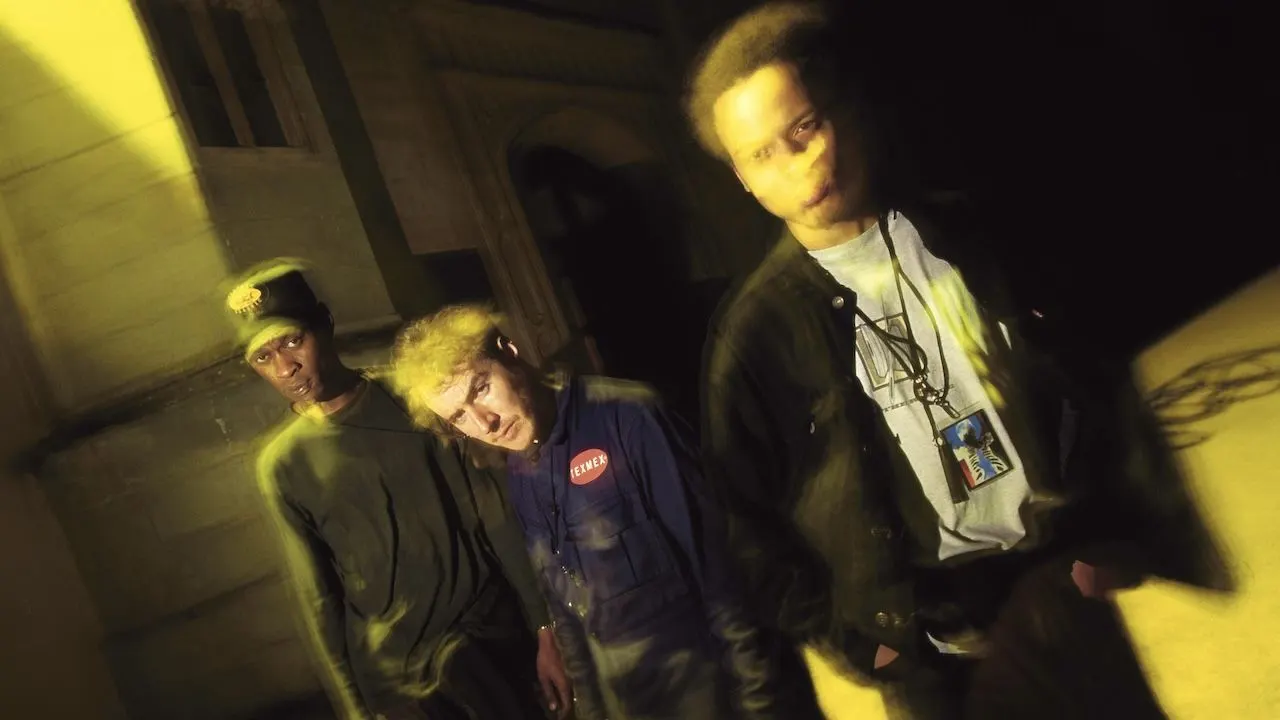
Massive Attack’s 1998 album Mezzanine is presented as a deliberately radical departure from the group’s earlier sound, arriving as Britpop declined and pop culture was dominated by “Girl Power”. Its dark, unsettling and distinctive style made it feel unlike either contemporary music or the band’s own previous work, helping establish it as a landmark record.
Robert Del Naja, the group’s principal creative force on the album, later described the period as a “chrysalis moment” in which Massive Attack were trying to become something different. The article frames this artistic reinvention as both the source of Mezzanine’s bleak beauty and a cause of serious internal strain within the band, ultimately pulling its members apart.
In short
- Mezzanine marked Massive Attack’s deliberately darker reinvention.
- Released in 1998, it stood apart from Britpop-era music.
- Its creation brought artistic brilliance and band tensions.
Steelman: both sides, in good faith
The strongest fair case each way — we don't pick a winner.
The case for
A strong case for Mezzanine’s radical turn is that artistic reinvention can keep a group vital: by leaving behind its established sound, Massive Attack made a distinctive album that reflected a deliberate effort to become something new. The tension it created may be seen as the cost of taking that creative risk, rather than evidence that the change lacked value.
The case against
A strong case against the turn is that a band’s identity depends on shared authorship and trust, and a radical shift driven chiefly by one member can strain both. If making Mezzanine pulled the group apart, its artistic achievement came with a serious human and collaborative cost that might have been avoided through a more collective process.
Explained simply
Massive Attack are a music group from Bristol whose early records blended electronic music, hip-hop and soul. By the late 1990s, the band was rethinking its sound as Britpop’s popularity faded and “Girl Power” became prominent in pop culture.
Robert Del Naja was a central creative force behind Mezzanine, which took the group in a darker, more unsettling direction. The album became known as a landmark, while the process of making it created serious tensions among the band’s members.
Art Culture Entertainment Music