Technology news and discussion on TalkFuse.
As the memory crisis worsens, PlayStation promises it has secured enough RAM to meet its PS5 sales (until early 2027, at least)
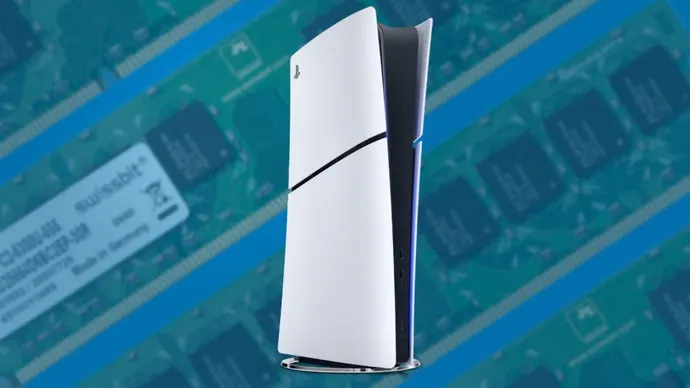
Sony says it has secured enough memory chips to meet projected PS5 sales through its 2026 financial year, ending in March 2027, despite a worsening component shortage driven partly by demand for generative AI hardware. This matters because shortages and higher memory costs are already affecting hardware availability and prices across the industry, while Sony expects major releases to support PS5 demand.
Sony sold 1.6 million PS5 consoles in the first quarter of 2026, while PlayStation recorded 125 million monthly active users in June. The company expects hardware profitability in 2026 to remain similar to 2025, although investment in its next-generation platform and restructuring costs have affected finances; uncertainty remains over production and pricing after March 2027.
In short
- Sony has enough PS5 memory supply until March 2027.
- AI-driven shortages are raising hardware costs across the industry.
- Future PlayStation hardware may cost more and arrive later.
Steelman: both sides, in good faith
The strongest fair case each way — we don't pick a winner.
The case for
Sony's securing sufficient memory components through early 2027 demonstrates effective supply chain management during an acute shortage. The company has maintained strong sales and expected hardware profitability whilst navigating intense competition for chips driven by AI demand, protecting consumer access to the console and preserving market stability. This achievement shows Sony can protect shareholder value and consumer interests even under significant supply constraints.
The case against
The announcement's limitation to March 2027 reveals underlying fragility rather than resolving it. Rising memory costs threaten to erode hardware profitability and likely force price increases for consumers, whilst Sony's restructuring expenses signal financial pressure that compounds the concern. The short guarantee window suggests the company lacks genuine confidence in medium-term supply stability, indicating that individual corporate measures cannot adequately address systemic industry-wide shortages requiring broader solutions.
Explained simply
Sony’s PlayStation business makes the PS5, a games console launched in 2020, and earns money from games and online services as well as hardware. Memory chips are essential parts of consoles, and the same types of chips are in demand for data centres that power generative AI.
The shortage matters because limited supplies or higher chip costs can affect how many consoles companies can make and what they cost. PS5 sales also depend on players continuing to use the platform and on major games attracting buyers.
Sony’s financial year runs from April to March, so its 2026 financial year ends in March 2027. Its plans beyond that point depend on future chip supplies, costs and demand.
AI Americas Entertainment Gaming Space Technology