Entertainment news and discussion on TalkFuse.
10 Slowest Movies of All Time
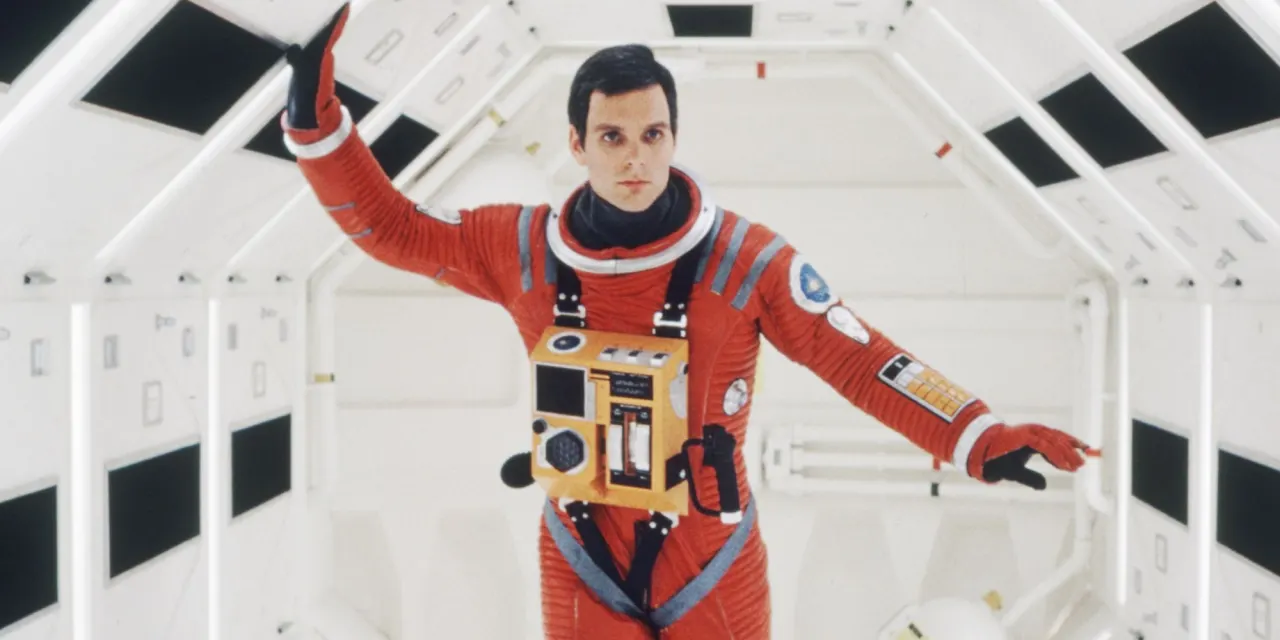
Collider ranks films noted for their exceptionally slow pacing, contrasting them with conventional fast-moving entertainment. The selection spans arthouse dramas and lengthy endurance tests, presenting slowness as a deliberate stylistic choice rather than simply a flaw.
– Nostos: The Return (1989): an introspective, arthouse interpretation of The Odyssey, focused on mood and a man’s journey home. – Goodbye, Dragon Inn (2003): set during the final screening at a cinema about to close, with a deliberately measured approach.
In short
- Collider highlights films defined by unusually slow pacing.
- The list favours arthouse and contemplative cinema.
- Nostos and Goodbye, Dragon Inn are early entries.
Steelman: both sides, in good faith
The strongest fair case each way — we don't pick a winner.
The case for
Deliberately slow films give viewers time to absorb atmosphere, gesture and silence, making mood and reflection central to the experience. Their unhurried pacing can also challenge the assumption that cinema must constantly advance its plot to hold attention.
The case against
A very slow pace can make a film feel repetitive or emotionally distant, leaving viewers with too little development to sustain their interest. If duration and stillness do not deepen the story or its ideas, the style may seem more like an obstacle than a meaningful artistic choice.
Explained simply
Some films move at a measured pace, spending time on atmosphere, silence and small gestures rather than frequent plot turns. This approach is often associated with arthouse cinema, which tends to favour a director’s style and ideas over the conventions of mainstream entertainment.
Nostos: The Return reworks the homeward journey at the heart of the ancient Odyssey as an introspective film about one man’s return. Goodbye, Dragon Inn follows the final screening at a cinema facing closure, using its setting and unhurried scenes to explore an ending.
Such films can ask viewers to pay attention to mood and detail, and their slow pacing can be an intentional part of how they tell a story. They offer a different experience from films built around rapid action, though audiences may respond differently to that choice.
Entertainment Film Music Space Technology