Culture news and discussion on TalkFuse.
No pressure Steam Frame: Meta’s mixed reality division is still haemorrhaging money, losing $4.6 billion in its second quarter of the year
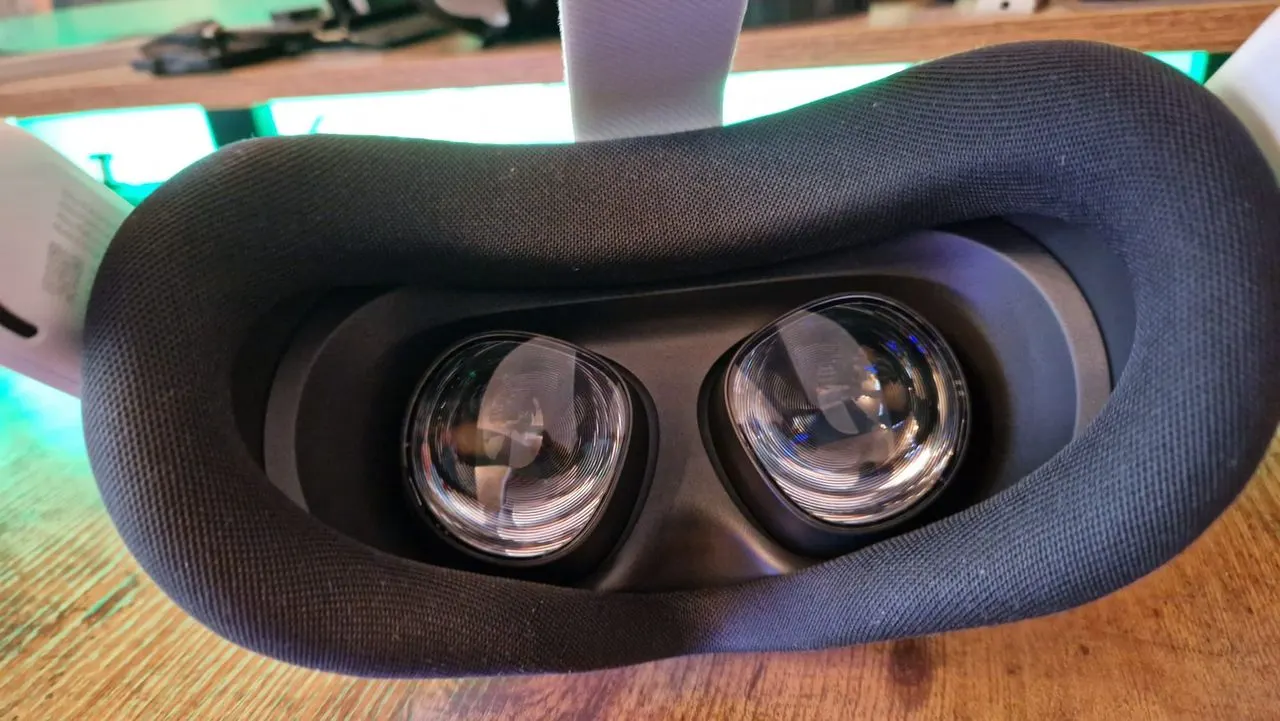
Meta’s Reality Labs division, which develops virtual and mixed-reality products, recorded a $4.6 billion loss in the second quarter. The result underlines the scale of Meta’s continuing investment in immersive technology as it faces potential competition from Valve’s reported Steam Frame headset.
The loss was reported alongside Meta’s quarterly financial results and reflects the high costs of developing hardware, software and related technologies. Reality Labs has repeatedly operated at a loss, despite products such as Quest headsets, while Meta continues to fund its longer-term mixed-reality ambitions.
In short
- Meta’s Reality Labs lost $4.6 billion in one quarter.
- Mixed-reality development remains a costly long-term bet.
- Valve’s reported headset could increase competitive pressure.
Steelman: both sides, in good faith
The strongest fair case each way — we don't pick a winner.
The case for
Meta's sustained investment in mixed reality reflects a rational long-term strategic bet on computing's next paradigm shift. Early-stage platform technologies naturally require years of substantial losses before achieving profitability—smartphones and cloud computing faced similar skepticism. With unparalleled financial resources and the technological expertise to sustain this investment, Meta is positioning itself to dominate what could become the dominant computing platform of the next decade, as competitors like Apple and Microsoft are similarly investing heavily in AR/VR.
The case against
After sustained and accelerating quarterly losses totalling tens of billions annually, Reality Labs shows scant evidence of mainstream adoption or a credible path to profitability. The metaverse concept has failed to generate compelling consumer demand, whilst the $4.6 billion loss represents capital that could strengthen Meta's core advertising business, fund more focused AR/VR research, or benefit shareholders. Without clear evidence that Meta will prevail in uncertain market competition, this scale of investment appears disproportionate to demonstrated market opportunity.
Explained simply
Meta is a technology company best known for Facebook, Instagram and WhatsApp. Its Reality Labs division develops virtual and mixed-reality technology, including Quest headsets, which let people view digital content through a headset.
Building these products involves costs for hardware, software and research, while sales have yet to cover Reality Labs’ spending. Meta continues to invest in the division as part of its plans for immersive technology, where Valve is also reported to be developing a headset linked to its Steam gaming platform.
The financial results show how much Meta is spending to pursue that market, while leaving open whether demand for headsets will eventually make the investment pay off.
Art Business Companies Culture