Culture news and discussion on TalkFuse.
Why the under on runs looks like the smart baseball play when Pirates visit the Reds tonight
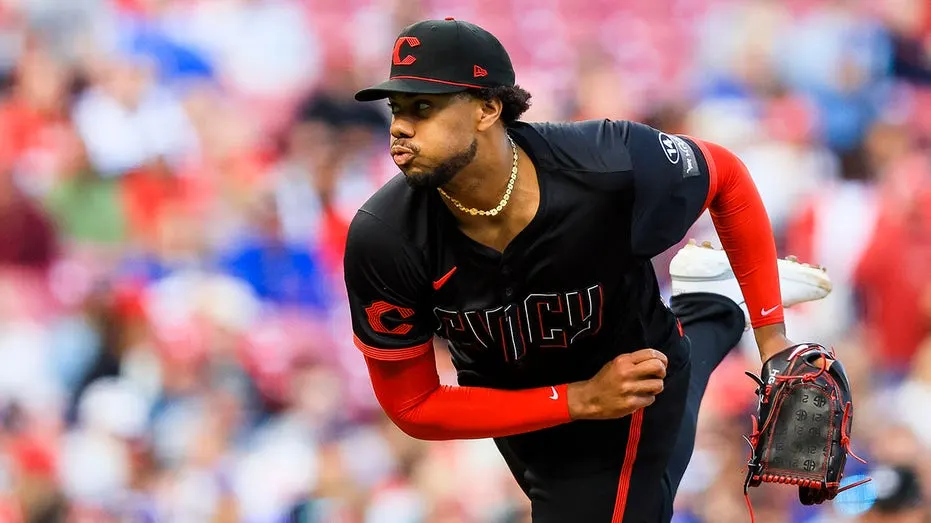
The article argues that betting on a low combined score is the smarter play for the Pittsburgh Pirates’ visit to the Cincinnati Reds, chiefly because it features a high-quality pitching match-up between Paul Skenes and Hunter Greene. The proposed wager depends on both starters limiting offence early and keeping the game within a modest total.
Skenes and Greene are presented as the central reason for the under, with their ability to miss bats and suppress scoring outweighing expectations of a high-scoring contest. The article appears in a betting context, following the writer’s previous loss on the Giants–Padres game after Robbie Ray delivered a strong pitching performance.
In short
- Strong starting pitching makes the under appealing.
- Paul Skenes faces Hunter Greene.
- The pick relies on limited early scoring.
Steelman: both sides, in good faith
The strongest fair case each way — we don't pick a winner.
The case for
The case for betting the under is that Paul Skenes and Hunter Greene are capable of missing bats and limiting opposing hitters, making a low-scoring game plausible. If both starters keep the offence quiet early, the combined score may stay below the betting line.
The case against
Even elite starters cannot guarantee a low-scoring game: a few mistakes, walks, defensive errors or timely hits could quickly produce runs. The under also depends on the betting line being set high enough; without its value and other game details, the pitching match-up alone may not make it the smarter wager.
Explained simply
The Pittsburgh Pirates and Cincinnati Reds are Major League Baseball teams in the National League Central, a division they both compete in during the regular season. A game’s total score is the combined number of runs both teams score.
Paul Skenes pitches for Pittsburgh and Hunter Greene for Cincinnati. Starting pitchers can shape a game by limiting hits and strike-outs, which may reduce scoring while they are on the mound.
In betting, an “under” wager wins if the teams’ combined runs finish below a set total. The case for it here rests on the two starters keeping the game low-scoring; the result also depends on what happens after they leave the game.