Video games news, releases, esports and culture — all the biggest gaming stories in one place.
Dungeons & Dragons: World of Warcraft Revealed, Includes Every Playable WOW Species and Class
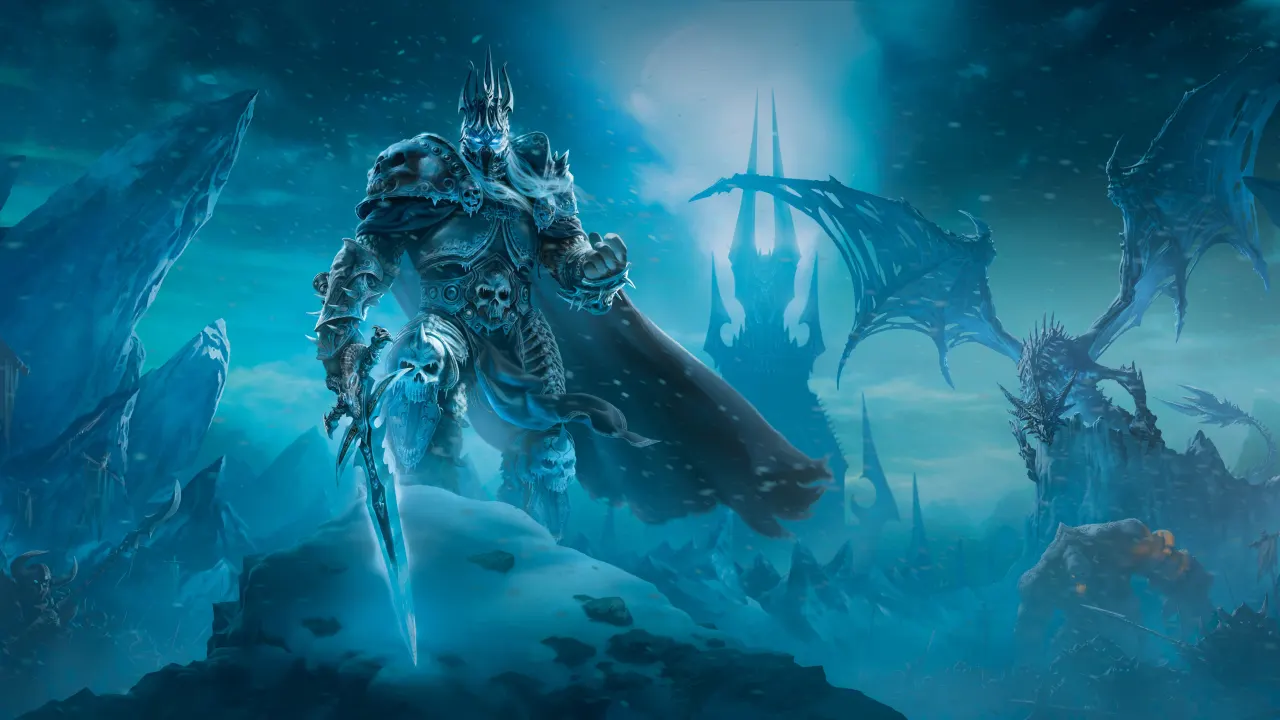
Wizards of the Coast has unveiled Dungeons & Dragons: World of Warcraft, a crossover expansion created with Blizzard and announced at Gen Con 2026. It marks World of Warcraft’s return to tabletop gaming after two decades and is the first D&D expansion released under the new Universes Beyond banner, which incorporates outside franchises into the tabletop game.
The release includes the D&D: Worldcraft expansion book and an Icecrown Citadel Map Pack for characters from levels 16 to 20. The book covers every playable WoW species and class, alongside 26 magic items, seven dungeons, 30 boss stat blocks, more than 60 spells, over 50 monsters and 23 factions; early access begins on 3 November, before full release on 17 November.
In short
- D&D’s World of Warcraft crossover launches in November.
- It includes every playable WoW species and class.
- Icecrown Citadel supports high-level characters.
Explained simply
Dungeons & Dragons is a tabletop role-playing game in which players create fantasy characters and embark on adventures, typically gathered around a table with friends, whilst World of Warcraft is a massively multiplayer online video game where millions of players inhabit a shared fantasy world. Though both games have vast and passionate fanbases, they have historically occupied separate parts of the gaming landscape, each with its own community and format.
Wizards of the Coast owns Dungeons & Dragons and Blizzard Entertainment produces World of Warcraft, and for roughly two decades the companies had not collaborated on official products despite both games' huge reach. Wizards of the Coast recently introduced Universes Beyond, a new strategy that allows Dungeons & Dragons to expand beyond its own original worlds by incorporating other gaming franchises, their characters, settings and lore.
The union of these two franchises is significant because it bridges two major gaming communities that had remained separate, returning World of Warcraft to tabletop form after two decades. It also marks a notable shift in how Dungeons & Dragons operates—from a standalone game with its own canon and worlds, to a flexible platform that can host multiple gaming properties.