Football Daily | Will Gianni Infantino survive as Fifa president?
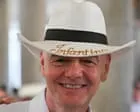
Gianni Infantino faces a growing revolt over reports that Fifa considered selling stakes in the World Cup to private investors. Uefa and Concacaf have threatened action, while the Asian Football Confederation has backed them, leaving the Fifa president’s previously secure position under significant pressure.
The article says 143 of Fifa’s 211 member associations now oppose the proposal, despite Fifa insisting that “nobody is selling football”. Infantino had reportedly been expected to win re-election unopposed in March, with support from more than 200 associations, but senior adviser Carlos Cordeiro has resigned, calling the plan a bad deal for football. The piece also notes the death of former Milan and Italy defender Franco Baresi, aged 66.
- Infantino faces major opposition over World Cup investment plans.
- Three confederations now stand against the proposal.
- Senior adviser resigns as pressure on Fifa grows.
New here? Start with this
Fifa is football’s global governing body, responsible for organising the men’s and women’s World Cups and setting rules for the international game. Its president leads the organisation and represents its member associations, which are national football bodies.
Gianni Infantino has been Fifa president since 2016 and was expected to seek another term. Uefa governs football in Europe, Concacaf covers North and Central America and the Caribbean, and the Asian Football Confederation represents much of Asia; all are among the regional bodies that work with Fifa.
The dispute matters because decisions about the World Cup affect football organisations and supporters around the world. Any change to how the tournament is financed or controlled can raise questions about who benefits and how much influence member associations have.
Both sides, in good faith
The strongest fair case each way — we don't pick a winner.
The case for
Supporters of exploring private investment could argue that it may bring new capital, spread the financial risks of staging the World Cup and fund development across the game. If any proposal preserved football’s governance and the tournament’s public purpose, considering it could be seen as responsible stewardship rather than a sale of football.
The case against
Opponents could argue that private investors would gain influence over football’s flagship tournament, putting commercial returns ahead of the sport’s wider interests. With many member associations and major confederations opposed, they may also see the proposal as a failure of consultation that has weakened confidence in Infantino’s leadership.