Business news and discussion on TalkFuse.
Designer of Princess Diana’s wedding dress creates replica of her historic 40-foot veil after the original goes ‘missing’ – and shares unseen photographs of the gown’s creation
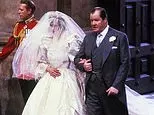
Elizabeth Emanuel, who co-designed Princess Diana’s 1981 wedding dress, has recreated the Princess’s 40-foot embroidered veil after the original was reportedly lost or unavailable for display. The replica is intended to complete the famous bridal ensemble, whose dress has often been exhibited without the veil, and to preserve the look for future audiences.
Emanuel was commissioned by Renae Plant, founder of the Princess Diana Museum, and worked with London embroidery house Hand & Lock, which also made the original. The veil has been reproduced entirely by hand using original 1981 measurements, while Emanuel shared previously unseen photographs of the gown’s creation in her Mayfair studio. Diana wore the original design at St Paul’s Cathedral when she married the then Prince Charles on 29 July 1981.
In short
- Diana’s 40-foot wedding veil has been recreated.
- The original veil has long been absent from displays.
- Original makers and measurements informed the replica.
Steelman: both sides, in good faith
The strongest fair case each way — we don't pick a winner.
The case for
Recreating the veil preserves an important cultural heritage that would otherwise remain incomplete and inaccessible to the public. By employing the original designer and the same embroidery house with accurate historical measurements, Emanuel ensures the replica faithfully represents Diana's iconic 1981 ensemble as she wore it. This approach serves the museum's commemorative mission and allows future generations to experience the complete bridal look, much as we restore historical buildings or reproduce lost artworks to preserve cultural memory.
The case against
A handmade replica, however faithful, cannot replace the authentic historical artefact that Diana actually wore on her wedding day. Museums have a responsibility to maintain and distinguish clearly between originals and reproductions, and displaying a substitute raises ethical questions about historical integrity and transparency with visitors. The disappearance of the original veil warrants investigation rather than acceptance, and resources might be better invested in conservation science and detective work to locate the genuine piece than in creating substitutes that could obscure what truly happened to it.
Explained simply
Princess Diana married the then Prince Charles at St Paul’s Cathedral in 1981. Her wedding dress and long embroidered veil were designed by Elizabeth Emanuel and her then husband David, with the veil made by London embroidery house Hand & Lock.
The dress became one of the best-known royal wedding gowns and has been shown to the public, often without its veil. Renae Plant, founder of the Princess Diana Museum, commissioned Emanuel to make a replica using the veil’s original measurements, helping present the outfit as a complete ensemble for future audiences.
Business Culture Entertainment Fashion Markets Music UK World