Entertainment news and discussion on TalkFuse.
Silent Hill producer believes shaking up the series was necessary to win over players because ‘at best, only about half of the original users will return with a remake’
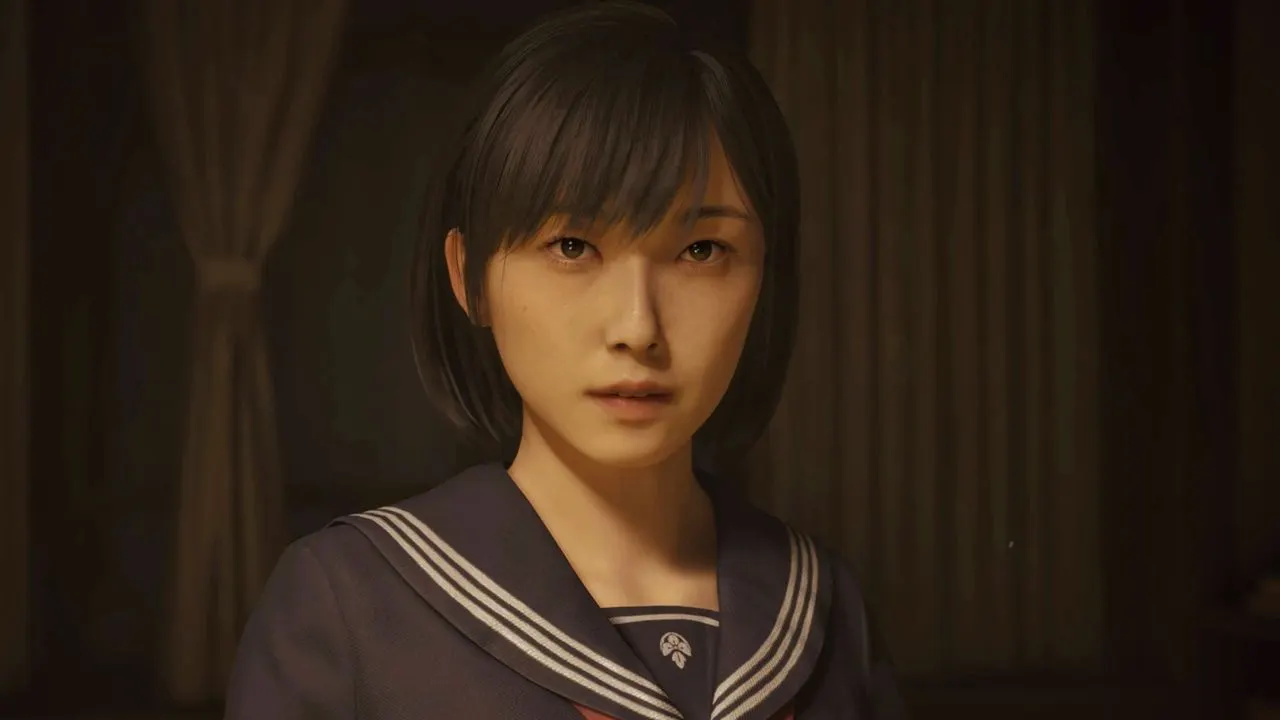
Silent Hill producer Motoi Okamoto said Konami believed simply remaking older entries would not be enough to rebuild the series’ audience. He argued that significant change was needed to attract new players, as even a strong remake might bring back only around half of the original audience.
Okamoto’s comments frame the recent strategy behind projects such as Silent Hill f, which moves the series to 1960s Japan and introduces a new creative direction. The approach combines remakes, including Silent Hill 2, with entirely new games, aiming to retain the series’ psychological horror identity while broadening its appeal.
In short
- Konami sees remakes as insufficient for rebuilding Silent Hill’s audience.
- Okamoto estimates only half of original players may return.
- New entries are intended to attract fresh players.
Steelman: both sides, in good faith
The strongest fair case each way — we don't pick a winner.
The case for
The producer's logic is sound—if even the strongest remake can only recapture half the original audience, relying solely on nostalgia is a path to stagnation. The gaming landscape has evolved, and what attracted players decades ago may not resonate with contemporary audiences. By pairing remakes with bold new entries like Silent Hill f set in 1960s Japan, Konami signals that the franchise remains creatively vital rather than a museum piece. Without such innovation, even faithful remakes risk feeling dated to modern players with countless entertainment options.
The case against
This reasoning misconstrues what rebuilds franchises—quality and respect for source material do. If the original Silent Hill games earned their cult status, a meticulously crafted remake honouring what made them special would attract both returning fans and curious newcomers without dilution. Radical departures risk sacrificing the very distinctiveness that gives the franchise cultural meaning; chasing abstract 'broadening appeal' often alienates devoted supporters without reliably winning casual players who sample rather than commit to series. The franchise's greatest asset is the trust and affection of its existing community.
Explained simply
Silent Hill is a horror video game series published by Konami. Its stories often focus on troubled characters, unsettling places and psychological fear, giving the games a recognisable identity even as their settings and casts change.
Motoi Okamoto is a producer at Konami, the company behind the series. Remakes revisit older games with updated technology, while new entries can introduce different settings and stories; Konami’s strategy uses both to reach returning fans and people who have not played the earlier games.
The debate matters because a long-running series needs to balance familiarity with change. Keeping its horror style may help preserve what existing players value, while new ideas could make the games more accessible to a wider audience.