China could supply EV manufacturing boom with recycled EVs
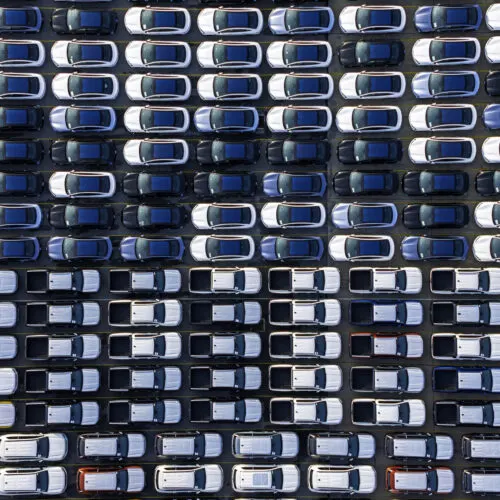
A study suggests China could eventually meet much of its electric-vehicle manufacturing demand for key materials through recycling retired vehicles and replacement batteries. This matters because it could reduce dependence on newly mined, finite resources, although the benefits will depend heavily on changing battery and motor technologies.
Researchers modelled Chinese supply and demand from 2010 to 2050 for battery materials including lithium, cobalt and nickel, and motor materials such as copper and rare-earth elements. They incorporated policies aiming to raise recycling rates for some battery materials from 40% to at least 98%, alongside a target for EVs to make up 60% of new sales by 2030. Recycling’s contribution generally rises as more EVs reach end of life, but cobalt supply could exceed demand as low-cobalt batteries spread, while growing nickel and manganese demand may limit recycling’s share.
In short
- China could increasingly supply EV production with recycled materials.
- Technology choices will determine which materials are most recoverable.
- Higher recycling targets could substantially reduce reliance on virgin resources.
Steelman: both sides, in good faith
The strongest fair case each way — we don't pick a winner.
The case for
The research demonstrates that recycling can eventually meet a substantial portion of China's EV material requirements, making the case for prioritising circular economy strategies compelling. Investing in recycling infrastructure reduces environmental damage from mining, decreases geopolitical dependence on raw material suppliers, and offers a path to sustainable EV growth that the research validates is genuinely achievable with proper policy and investment.
The case against
Whilst the research shows recycling could contribute meaningfully, it equally demonstrates significant constraints that prevent treating it as a comprehensive solution. Projected shortfalls in nickel and manganese supply, cobalt oversupply, and unpredictable technology shifts mean that relying too heavily on recycling risks creating critical supply bottlenecks. A realistic strategy must centre on continued mining alongside recycling rather than implying recycling alone can sustain China's EV ambitions.
Explained simply
Electric vehicles use large batteries and electric motors, which require materials such as lithium, nickel, copper and rare-earth elements. Many of these materials are mined from finite deposits, and demand can change as manufacturers adopt different battery and motor designs.
China is a major electric-vehicle market, and government policies aim to increase both EV sales and the recovery of materials from used batteries. Recycling can supply more materials as older vehicles and replacement batteries reach the end of their lives, but how much it can provide depends on future demand and technology.
The balance differs by material: wider use of batteries with less cobalt could leave recycled cobalt supply above demand, while rising needs for nickel and manganese may be harder to meet through recycling. This makes recycling one potential source of materials alongside mining, rather than a fixed substitute for it.