Technology news and discussion on TalkFuse.
Google rolls back the needless AI generation tools it added to Google Earth
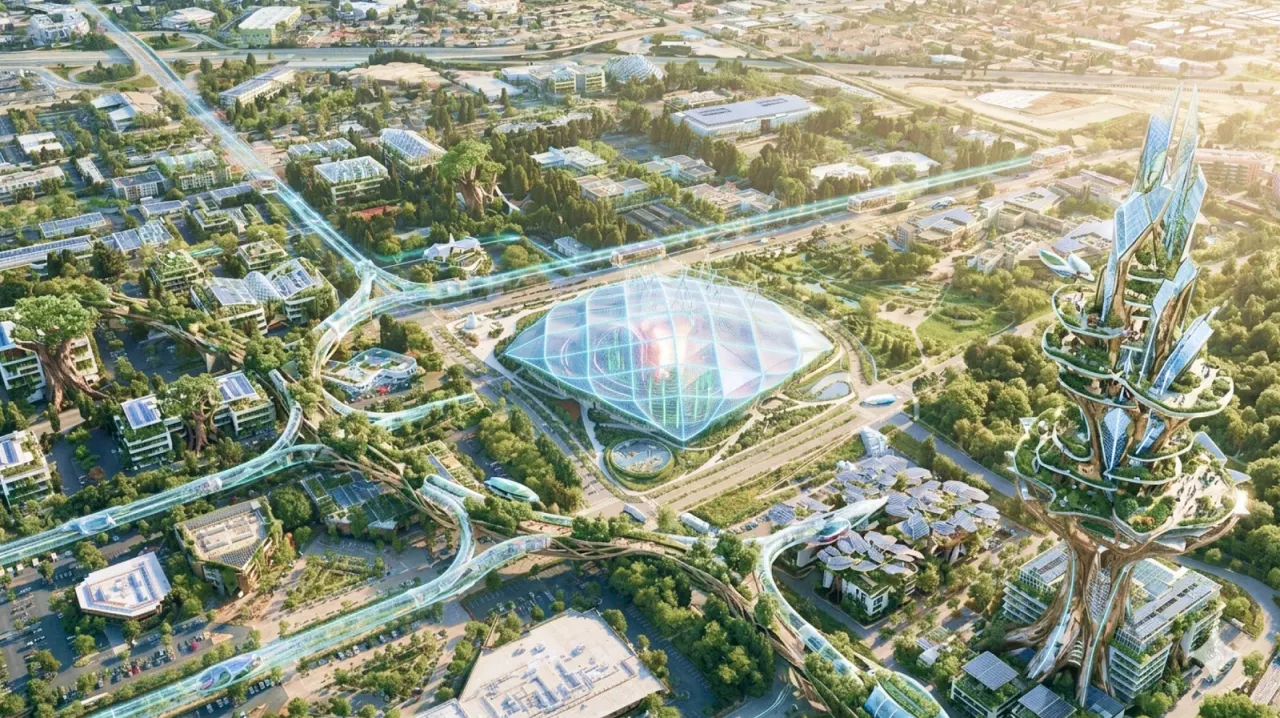
Google has withdrawn its Nano Banana image-generation feature from Google Earth less than a day after launching it, following concerns that it could create convincing but false satellite imagery. The move matters because Google Earth is widely trusted as a factual view of real places, making manipulated images particularly susceptible to misuse and misinformation.
404 Media demonstrated the tool by generating a blast crater in Los Angeles and adding protesters outside Google’s Mountain View campus. Google said generated images carried its SynthID watermark and could be checked with Gemini or Google Lens, but acknowledged that screenshots appearing to breach its policies had circulated; it says stronger safeguards will be introduced before the feature returns.
In short
- Google removed Earth’s AI image generator after misleading images emerged.
- Critics warned watermarks do little to stop viral misinformation.
- Stronger safeguards are promised before the feature returns.
Steelman: both sides, in good faith
The strongest fair case each way — we don't pick a winner.
The case for
Proponents of the feature's development might argue that innovation necessarily involves some risk, and that Google's technical safeguards—watermarking and AI-based verification—represented reasonable measures to enable responsible use. Withdrawing the tool after a single day suggests an overly cautious stance that would effectively veto any feature imaginable on the grounds of worst-case misuse, potentially ceding leadership in responsible generative AI tools for geographic applications to competitors less concerned with safeguards.
The case against
Those supporting the rollback contend that Google Earth's foundational value to journalists, researchers and the public depends entirely on its factual trustworthiness—it is not designed as a speculative visualisation platform. Once generated imagery spreads through screenshots that strip away watermarks and verification methods, safeguards become theoretical rather than practical, and the reputational damage from false satellite imagery circulating unchecked could undermine public trust in the entire platform for users who rely on its accuracy.
Explained simply
Google Earth lets people explore satellite and aerial views of places around the world. Its images are often treated as a factual record of what a place looks like, which makes changes to them potentially misleading.
Nano Banana is Google’s image-generation tool, which can create or alter pictures from written instructions. Adding such tools to a map service raises questions about how people can tell genuine views from generated ones, and how altered images might be shared as evidence.
Google also offers SynthID, a marker intended to identify some AI-generated content, and says generated images can be checked with its tools. The issue matters because false images of familiar places could be mistaken for real events or conditions.