Foreign robot ban targets China over security fears
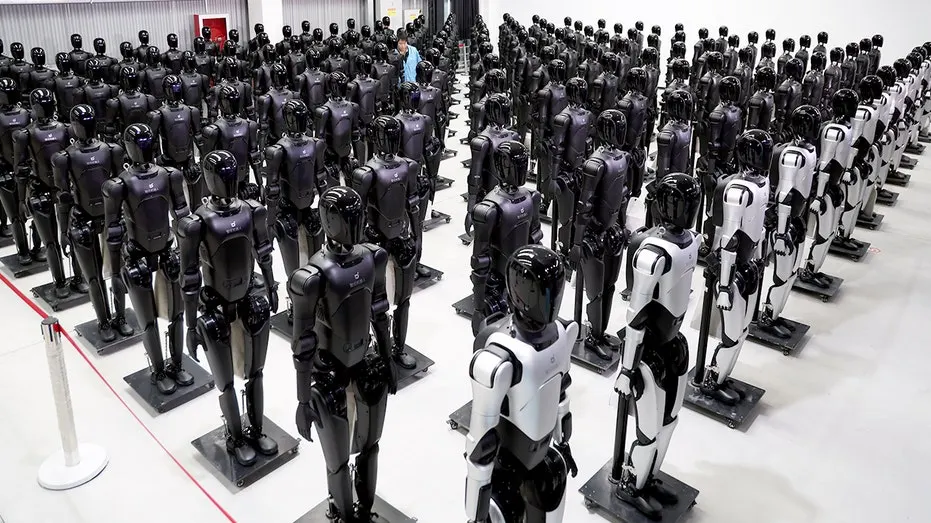
The US Federal Communications Commission has added foreign-made advanced robots and connected power inverters to its Covered List, restricting their approval for import and sale in the United States. The move is aimed chiefly at reducing perceived security risks from Chinese technology, amid concerns that internet-connected machines with cameras could collect sensitive information or enable cyberattacks.
The FCC action, announced on 28 July, affects equipment that requires its authorisation before entering the US market. Although the rules are written broadly for foreign-produced devices, China is reportedly the main focus; officials also want to reduce reliance on Chinese supply chains and encourage more domestic manufacturing.
In short
- US restricts foreign robots and power inverters over security concerns.
- China is reportedly the main target of the crackdown.
- FCC approval is required for affected devices to be sold.
Steelman: both sides, in good faith
The strongest fair case each way — we don't pick a winner.
The case for
The United States has legitimate grounds to restrict Chinese technology in connected devices that could access sensitive infrastructure or data. Internet-connected robots and power systems represent real vulnerabilities given supply chain opacity and documented concerns about Chinese technology companies' relationships with government authorities. Building domestic manufacturing capacity enhances economic resilience and protects critical infrastructure and civilian privacy through measured restrictions on high-risk devices.
The case against
Whilst security concerns merit attention, broad restrictions on foreign robotics threaten American competitiveness and consumer welfare without clear evidence of actual breaches from these devices. Targeted security standards and vetting processes could address genuine risks more proportionately than outright bans, which appear protectionist and risk triggering trade retaliation. Chinese manufacturers aren't uniquely insecure, and excluding them increases costs for American businesses whilst stifling the international competition that drives innovation.
Explained simply
The Federal Communications Commission, or FCC, is the US body that regulates communications equipment and decides which devices can be approved for sale in the country. Its “Covered List” identifies equipment it considers a security risk, which can limit whether new products receive the authorisation needed to enter the US market.
Advanced robots can use cameras, sensors and internet connections to gather information or communicate with other systems. US officials have raised concerns that such connected equipment could expose sensitive data or be used in cyberattacks, and say dependence on overseas suppliers can create security risks.
The restrictions apply broadly to foreign-produced equipment, though China is the main focus. The issue matters because robots and power inverters are used in homes, businesses and infrastructure, and limits on their sale could affect suppliers, manufacturers and efforts to build more production in the US.