Culture news and discussion on TalkFuse.
You Can Now Land New York’s Hardest Restaurant Reservations Through DoorDash
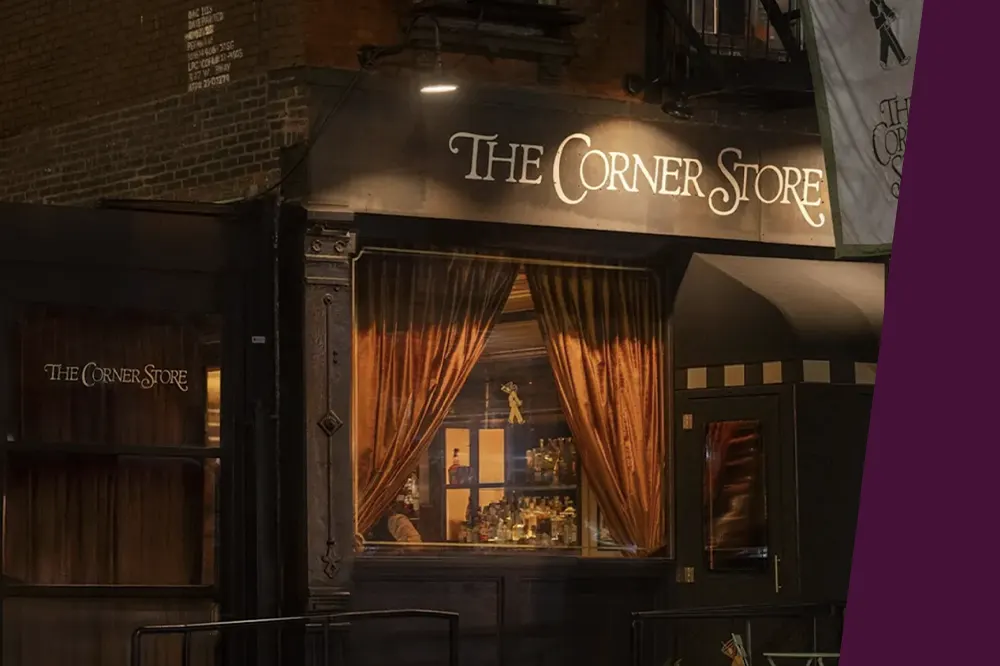
DoorDash has launched its restaurant-reservation service in New York, offering bookings at sought-after venues including The Corner Store, The Eighty-Six, Dante and L’Artusi. The move matters because it gives DoorDash a role in high-demand dining reservations, extending the company beyond its established food-delivery business.
Some exclusive tables and popular time slots are reserved for DashPass members, whose subscription costs $9.99 a month and also includes delivery-fee and service-fee benefits. The Corner Store and The Eighty-Six are bookable exclusively through DoorDash, while diners earn DoorDash credit after eligible completed reservations: $10 for standard users and $12 for DashPass members at launch. The expansion follows DoorDash’s roughly $1.2 billion acquisition of SevenRooms in 2025; the service first launched in Miami before reaching New York.
In short
- DoorDash now offers restaurant reservations in New York.
- DashPass members receive access to some exclusive tables.
- The launch supports DoorDash’s expansion beyond delivery.
Steelman: both sides, in good faith
The strongest fair case each way — we don't pick a winner.
The case for
This service expands consumer choice and introduces competitive pressure into a reservation market historically dominated by a few gatekeepers. By integrating reservations with delivery and offering financial incentives, DoorDash lowers friction and rewards customer loyalty, whilst the SevenRooms acquisition provides legitimate infrastructure to manage demand fairly. One-platform convenience for dining—from discovery to delivery to reservations—represents genuine efficiency and better serves customers seeking seamless experiences.
The case against
The arrangement raises legitimate concerns about market concentration and anti-competitive practices, particularly the exclusivity agreements with restaurants and the paywall created by DashPass membership. When a single company controls both delivery and reservations, it risks creating unfair advantages and reducing genuine consumer choice—customers may feel pressured to subscribe simply to access restaurants. This consolidation of power over how diners access restaurants could ultimately harm both restaurant independence and consumer welfare.
Explained simply
DoorDash is best known for delivering restaurant meals to people’s homes. It has expanded into bookings using SevenRooms, a company it bought in 2025 that provides reservation and guest-management technology to restaurants.
The service lets diners book tables at participating restaurants, including some popular New York venues. Some bookings are available only to DashPass subscribers, a paid DoorDash membership, while other tables can be booked by all users.
The change gives DoorDash a role in restaurant reservations as well as delivery. For diners, it adds another way to find and book tables; for restaurants, it offers a booking route through a company many customers already use.
Art Culture Food Software Technology