George Santos settles with CFTC over Kalshi bets
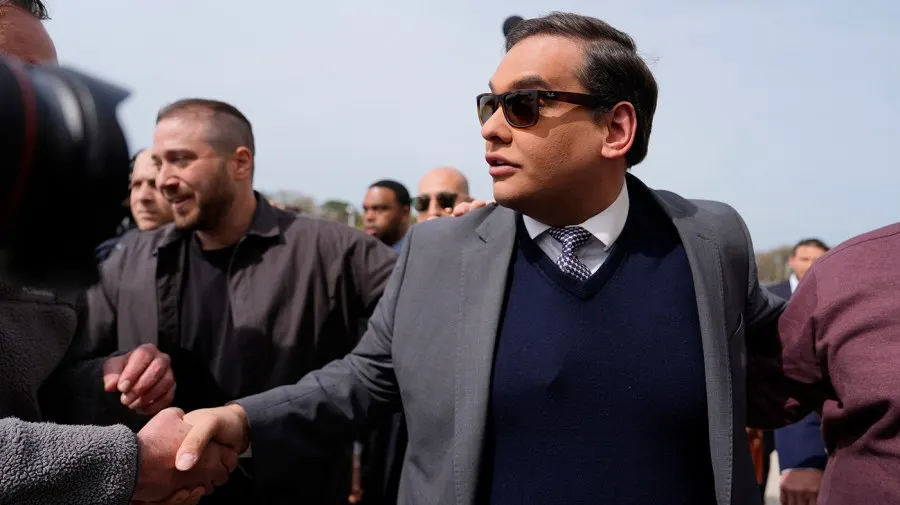
Former US congressman George Santos has settled with the Commodity Futures Trading Commission over trades on Kalshi prediction markets linked to his attendance at the 2026 State of the Union address. Regulators said he made misleading social-media posts about his plans, moving contract prices in ways that benefited his positions; the case highlights concern over market manipulation and insider trading on prediction platforms.
Santos agreed to pay a $17,500 civil penalty and surrender $17,569.98 in trading profits, and he is barred from prediction-market trading for three years. Kalshi said it flagged the trades to regulators and plans its own enforcement action, potentially using any recovered penalties to reimburse affected traders.
In short
- Santos settled CFTC claims over Kalshi trades.
- He will pay about $35,070 in penalties and disgorgement.
- He is banned from prediction markets for three years.
Steelman: both sides, in good faith
The strongest fair case each way — we don't pick a winner.
The case for
Those questioning strict enforcement might argue that personal social media posts about one's own likely behaviour shouldn't be treated as market manipulation equivalent to illegal insider trading. Prediction markets derive value from participants' genuine knowledge and intentions; if an elected official updates their social media about possibly attending a public event and later changes plans, this reflects authentic uncertainty rather than calculated deception. Overly rigorous enforcement risks chilling ordinary communication and transparency, when regulatory focus should perhaps distinguish between truly hidden insider information and public statements about personal plans.
The case against
Regulators defending the action would argue that if Santos knowingly posted misleading statements specifically timed to move prediction market prices for his financial benefit, enforcement is warranted and necessary. Market manipulation through deception—whether in prediction markets or traditional securities—damages other traders who relied on accurate information and undermines market integrity. The key distinction lies between changing one's genuine plans and making deliberately false statements to profit from market movement. Such enforcement signals that prediction markets, like other financial markets, require honest dealing to function fairly.
Explained simply
The Commodity Futures Trading Commission, or CFTC, is the US regulator for derivatives markets, where people trade contracts whose value depends on future events. Kalshi is a prediction market: users buy and sell contracts tied to outcomes such as whether a public figure will attend an event.
George Santos is a former member of the US House of Representatives. His trades concerned his attendance at the State of the Union, an annual address by the US president to Congress; posts about his plans could affect what other traders expected and the prices of those contracts.
The case raises questions about how prediction markets should guard against misleading claims and trading based on information that could give someone an unfair advantage. It also matters to traders and platforms because regulators and companies may set rules and penalties to protect confidence in these markets.