Culture news and discussion on TalkFuse.
Trump appeals ruling finding he colluded with DOJ in $10B IRS suit
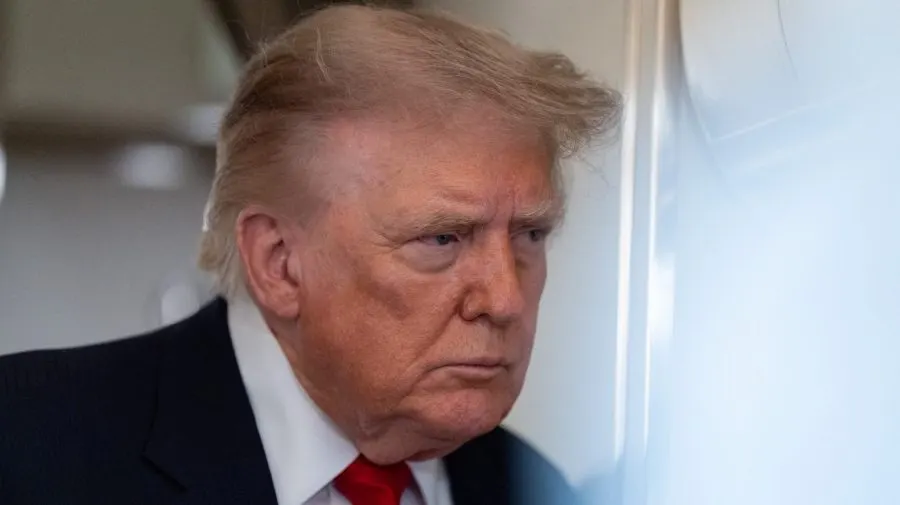
Donald Trump has appealed a federal judge’s ruling that his $10 billion lawsuit against the IRS was improperly coordinated with his own Justice Department. The ruling matters because it challenges the legitimacy of litigation in which the President sued agencies within his administration and raises wider questions about judicial oversight and the use of public money.
The lawsuit concerned the leaking of Trump’s tax information and sought at least $10 billion in damages from the IRS and Treasury Department. Judge Kathleen Williams found the case was non-adversarial and collusive, after it was linked to a proposed $1.776 billion “anti-weaponisation” fund; Trump is now seeking to overturn that finding on appeal.
In short
- Trump appeals judge’s collusion finding in IRS case.
- Lawsuit sought at least $10 billion over tax leaks.
- Ruling raises concerns over government self-dealing.
Steelman: both sides, in good faith
The strongest fair case each way — we don't pick a winner.
The case for
The lawsuit seeks redress for a genuine wrong—the unauthorised disclosure of Trump's tax records. Routine coordination between presidential offices and the Justice Department on litigation is normal administrative practice; the judge's finding of collusion relies on inference rather than concrete evidence. Dismissing the case on procedural grounds denies the President and the government legitimate access to courts for substantive adjudication of the claim.
The case against
A President cannot sue his own administration through his own Justice Department without creating a structural conflict of interest that undermines genuine adversarial litigation. The judge found evidence of improper coordination between Trump's team and the DOJ, reinforced by the connection to a proposed 'anti-weaponisation' fund, suggesting political motivation rather than sincere legal claims. Using taxpayer resources and courts for suits lacking genuine opposition corrupts judicial integrity and public trust.
Explained simply
US federal agencies, including the Internal Revenue Service (IRS), are part of the executive branch, which is led by the president. The Justice Department represents the federal government in court, while judges can review whether legal cases follow proper procedures.
The dispute stems from the leak of Donald Trump’s tax information. He sued the IRS and Treasury Department, seeking at least $10 billion in damages; a judge found the case was not genuinely contested between opposing sides and linked it to a proposed fund for people who say they were targeted by government agencies. The case raises questions about how lawsuits involving a president’s own administration are handled and how public money may be used.
Art Culture Government Politics