World news and discussion on TalkFuse.
Trump warns Iran fighting isn’t over as he vows US will ‘win’ as talks fade
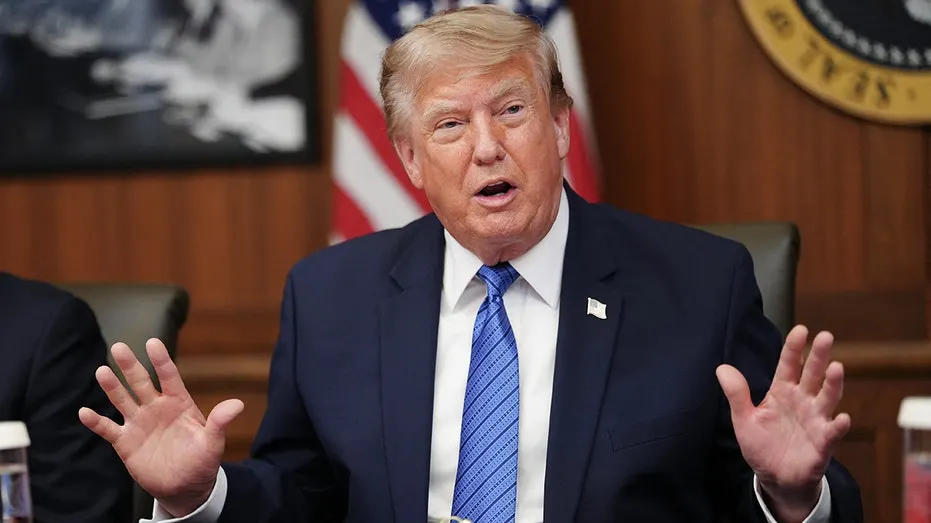
President Donald Trump has said Americans should expect the conflict with Iran to continue, predicting that Tehran's ability to strike back would gradually "peter out" under sustained US pressure. The comments, made during a Cabinet meeting at Camp David, mark a notable shift from his optimism earlier in the week about renewed negotiations, and suggest the five-month conflict may drag on without a clear resolution as the US approaches the November midterm elections.
Trump said the US was "trying to be nice" while claiming Iran had been "decimated" and now lacked a navy, air force or meaningful anti-aircraft capability, though he acknowledged it retained "some" capacity to fight. He also said he was "losing faith" in reaching a deal, accusing Tehran of lying during negotiations. The remarks followed a heavy US strike two days earlier on dozens of Islamic Revolutionary Guard Corps targets, in response to Iranian missile attacks on US forces, after a June ceasefire agreement collapsed and fighting resumed in July over attacks on shipping in the Strait of Hormuz. Mediators including Oman, Qatar, Pakistan and Egypt have been trying to revive a deal, but talks remain stalled over control of the strait, sanctions relief and Iran's nuclear programme.
In short
- Trump predicts Iran conflict will continue, expects Tehran to "peter out"
- Shift from earlier optimism; says he's "losing faith" in a deal
- Follows collapsed June truce and fresh US strikes on Iranian targets
Steelman: both sides, in good faith
The strongest fair case each way — we don't pick a winner.
The case for
The strongest case for continued military pressure rests on the principle that Iran, having attacked US forces and disrupted critical shipping lanes, must face consequences that degrade its capacity to threaten American interests and regional allies. Sustained pressure, proponents argue, establishes credible deterrence while constraining Iran's capabilities; this position of strength provides better negotiating leverage than appearing eager for dialogue, and may ultimately force Tehran to accept more favourable terms on sanctions, nuclear oversight, and the Strait of Hormuz. The underlying values are security, deterrence, and protecting both American personnel and regional partners.
The case against
The case for renewed diplomatic engagement emphasises that prolonged military conflict, whilst temporarily degrading capabilities, proves costly and risks dangerous escalation that harms civilians and destabilises the region. Advocates contend that sustainable resolutions emerge through negotiated settlements addressing underlying grievances on both sides; demonstrated willingness to negotiate builds the trust necessary for lasting agreements on nuclear programmes and shipping, whereas military pressure alone may entrench Iranian resistance rather than encourage compromise. This perspective prioritises long-term stability, cost-effectiveness, and the principle that enduring peace requires dialogue.
Explained simply
The United States and Iran have been in conflict over attacks on military forces and shipping in and around the Strait of Hormuz, a narrow waterway through which much of the world’s oil is carried. A ceasefire agreed in June collapsed, and fighting resumed in July. The strait’s security has become a central issue in efforts to stop the conflict.
The main players are the US government and Iran’s leaders, with Oman, Qatar, Pakistan and Egypt acting as mediators. Negotiations have been held up by disagreements over who controls the strait, sanctions on Iran and its nuclear programme. The outcome matters for regional security, global trade and energy supplies.
Americas Elections Middle East Politics World