Culture news and discussion on TalkFuse.
SpaceX’s Falcon 9 Rocket Is About to Crash Into the Moon—and It Could Be Visible From Earth
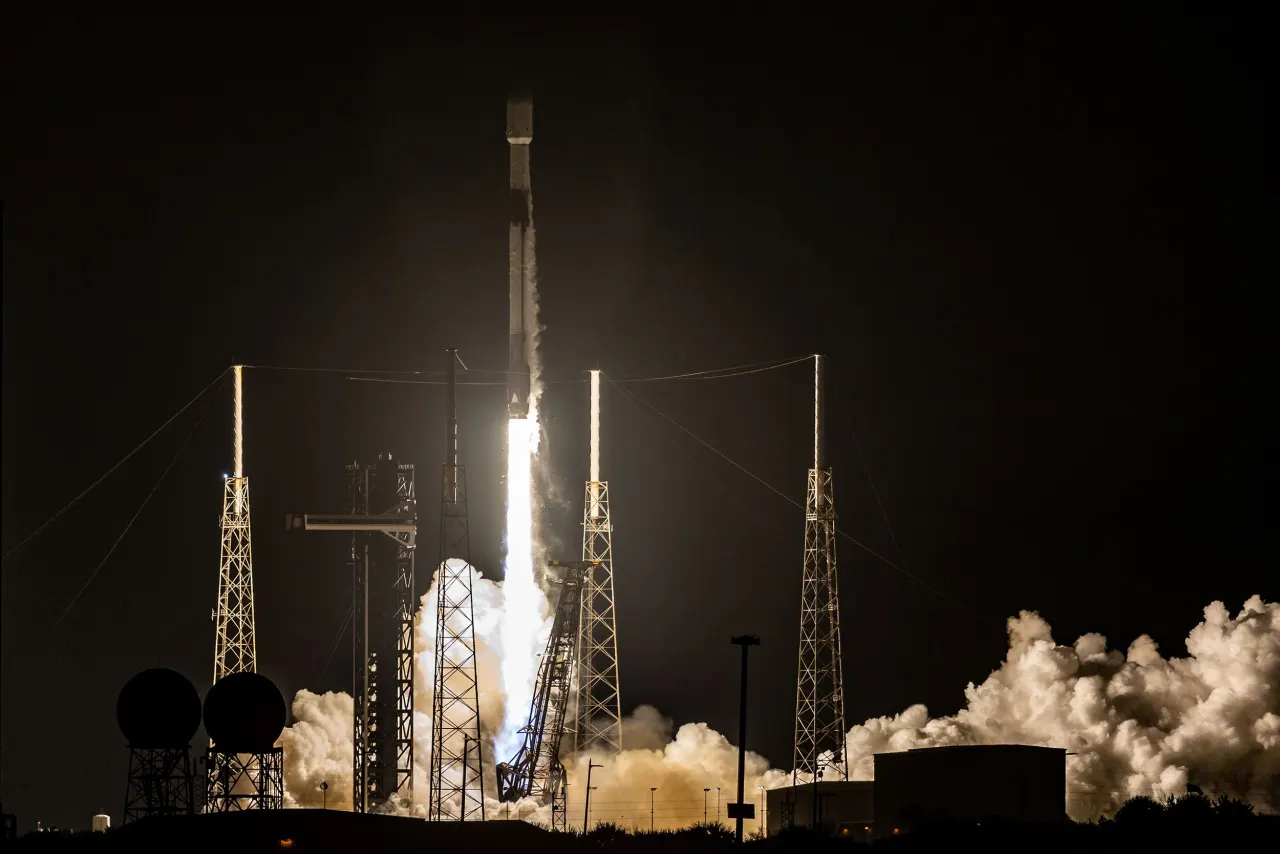
A spent SpaceX Falcon 9 upper stage is expected to strike the Moon’s sunlit western edge near Einstein crater on 5 August at about 06:34 UTC. The impact could create a debris plume briefly visible from Earth through suitable telescopes, potentially marking the first recorded impact flash or plume on the Moon’s sunlit side.
The roughly 3,900kg hollow rocket stage is forecast to hit at more than 5,400mph and displace around 12,700kg of lunar material. Simulations suggest a broad dust curtain up to 183km wide and a faster upward plume, but an angled impact could make it smaller and dimmer; visibility will also depend on telescope stability, moonlight glare and the observer’s location.
In short
- Falcon 9 stage may create a visible lunar debris plume.
- The impact is expected near Einstein crater on 5 August.
- Visibility is uncertain despite detailed impact simulations.
Explained simply
Falcon 9 is a reusable rocket made by SpaceX, the US company founded by Elon Musk. Its upper stage helps carry a payload into space; after separating, a spent stage can remain in orbit before its path takes it elsewhere.
The Moon’s surface is often struck by space rocks, but an impact on its sunlit side is difficult to see because sunlight washes out the brief flash and dust. Astronomers can study such events to learn how impacts move lunar material, while observations of this one would also help show whether a human-made object’s impact plume can be seen from Earth.