Politics news and discussion on TalkFuse.
WATCH: Democrats admit when they’d eliminate the filibuster as SAVE Act fight heats up
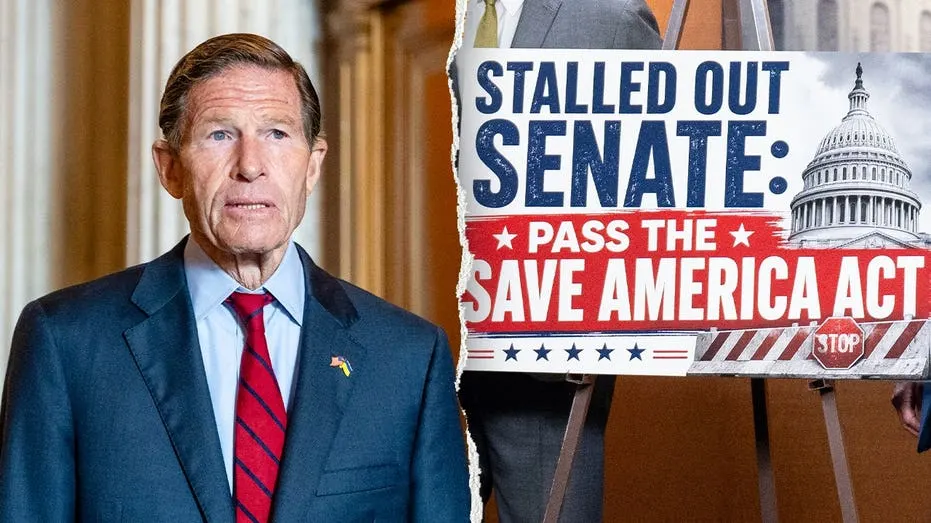
President Donald Trump is urging Senate Majority Leader John Thune to abolish the filibuster so Republicans can pass the SAVE America Act, intensifying a dispute over the Senate’s 60-vote threshold. Fox News questioned senators from both parties, with Democrats declining to support its complete removal while acknowledging that exceptions may be justified for certain types of legislation.
The debate centres on whether the filibuster should apply uniformly or be set aside to advance priority bills, particularly the SAVE Act. The article portrays the issue as exposing longstanding partisan divisions: Democrats have previously supported limited exemptions, while Republicans are now considering Trump’s demand in the context of election-related legislation.
In short
- Trump wants the filibuster removed to pass the SAVE Act.
- Democrats oppose full abolition but support some exceptions.
- The dispute revives familiar Senate procedural divisions.
Steelman: both sides, in good faith
The strongest fair case each way — we don't pick a winner.
The case for
Those urging filibuster reform argue that voters have given Republicans a clear mandate to advance their legislative agenda, yet the supermajority requirement prevents democratic governance by demanding 60 votes rather than reflecting the elected majority. They contend the filibuster was designed for a different era and now serves primarily as an obstructionist tool; without it, elections have real consequences and the Senate can function as voters intended. The SAVE Act represents priority legislation that should pass with the votes the electorate provided.
The case against
Those defending the filibuster argue it exists precisely to prevent tyrannical majorities and ensure dramatic policy shifts enjoy broader consensus. They note that today's majority is tomorrow's minority, and abolishing this protection would lead to radical swings in policy with each election cycle, creating harmful instability and undermining bipartisan cooperation. The filibuster forces deliberation and consensus-building across party lines; removing it would unleash purely partisan governance that corrodes institutional norms the Senate depends upon for legitimacy and durability.
Explained simply
The filibuster is a Senate procedure that can allow a minority of senators to delay or block a bill. Most legislation needs 60 votes to overcome that obstacle, even though the Senate has 100 seats. Supporters say this encourages compromise; critics say it can prevent bills backed by a majority from passing.
The SAVE Act is a Republican-backed bill about federal election rules, including requirements for registering to vote. President Donald Trump and Senate Majority Leader John Thune are key Republican figures in the debate, while Democratic senators oppose removing the filibuster altogether. Some Democrats have previously supported exceptions for particular kinds of legislation, making the argument partly about when the rule should apply.
Elections Government Politics World