Culture news and discussion on TalkFuse.
What’s old is new again: Trump-style conservative is back as PM of European nation
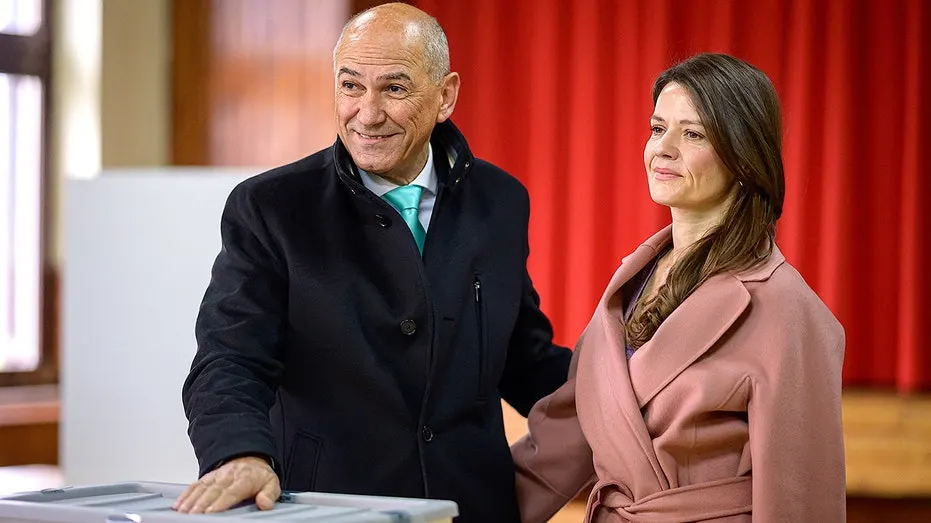
Slovenia has returned to Trump-style conservative governance under Prime Minister Janez Janša, who has formed his fourth government after ousting leftist leader Robert Golob. Janša is pursuing policies widely compared to Donald Trump's, including reversing Golob's stance on Israel, championing closer US ties, and pushing an anti-immigration agenda, marking a significant political shift for the central European nation best known internationally as the birthplace of First Lady Melania Trump and basketball star Luka Dončić.
Janša has announced plans to move Slovenia's embassy to Jerusalem, freeze recognition of a Palestinian state, and revoke a 2025 ban on military trade with Israel. Domestically, he intends to cut government bureaucracy, support private education and healthcare, reform pensions and build a second reactor at the Krško nuclear plant. Despite ideological alignment with Hungary's Viktor Orbán, he has backed Ukraine, visiting Kyiv in 2022 and again recently, and joined 18 other EU leaders calling for tougher migration controls. Critics have labelled him a threat to Slovenian democracy, citing his combative use of social media and a past politically motivated conviction that saw him jailed.
In short
- Janez Janša begins fourth term as Slovenia's PM, styled on Trump's policies
- Reverses pro-Palestinian stance, backs closer Israel and US relations
- Pushes anti-immigration reforms, business deregulation and infrastructure investment
Steelman: both sides, in good faith
The strongest fair case each way — we don't pick a winner.
The case for
Those supporting Janša's return argue that voters democratically chose his reform agenda after becoming dissatisfied with the previous administration. They contend that his policies—reducing bureaucratic inefficiency, expanding private options in healthcare and education, and strengthening security relationships with the US and Israel—represent pragmatic economic and security measures. They further note his backing of Ukraine and alignment with broader EU migration concerns, suggesting principled conservative positions rather than blind adherence to authoritarian models.
The case against
Those opposing his return raise concerns that his combative social media style and past conviction indicate insufficient regard for democratic institutional norms. They argue his nationalist programme—reversing Palestinian recognition, pursuing populist policies on the Trump model, and privatising public services—threatens established democratic consensus and public welfare, and contend his ideological alignment with Hungary's Orbán exemplifies troubling patterns of democratic erosion visible across Central Europe.
Explained simply
Slovenia is a small country in central Europe that was once part of Yugoslavia and is now a member of the European Union and NATO. Janez Janša has led its government before, while his rival Robert Golob represents a more left-leaning political camp. Their parties differ over the role of the state, immigration and Slovenia’s relationships with other countries.
Janša’s politics are often compared with Donald Trump’s because he emphasises national sovereignty, closer ties with the United States and tighter immigration controls. He has also supported Ukraine, despite similarities between his outlook and that of Hungary’s Viktor Orbán. His plans touch on Slovenia’s diplomacy, public services and energy supply, as well as wider European debates about migration and democratic standards.
Culture Elections Europe Fashion Government Middle East Politics World