Best Organic Mattresses (2026): Certified Nontoxic, Natural Sleep
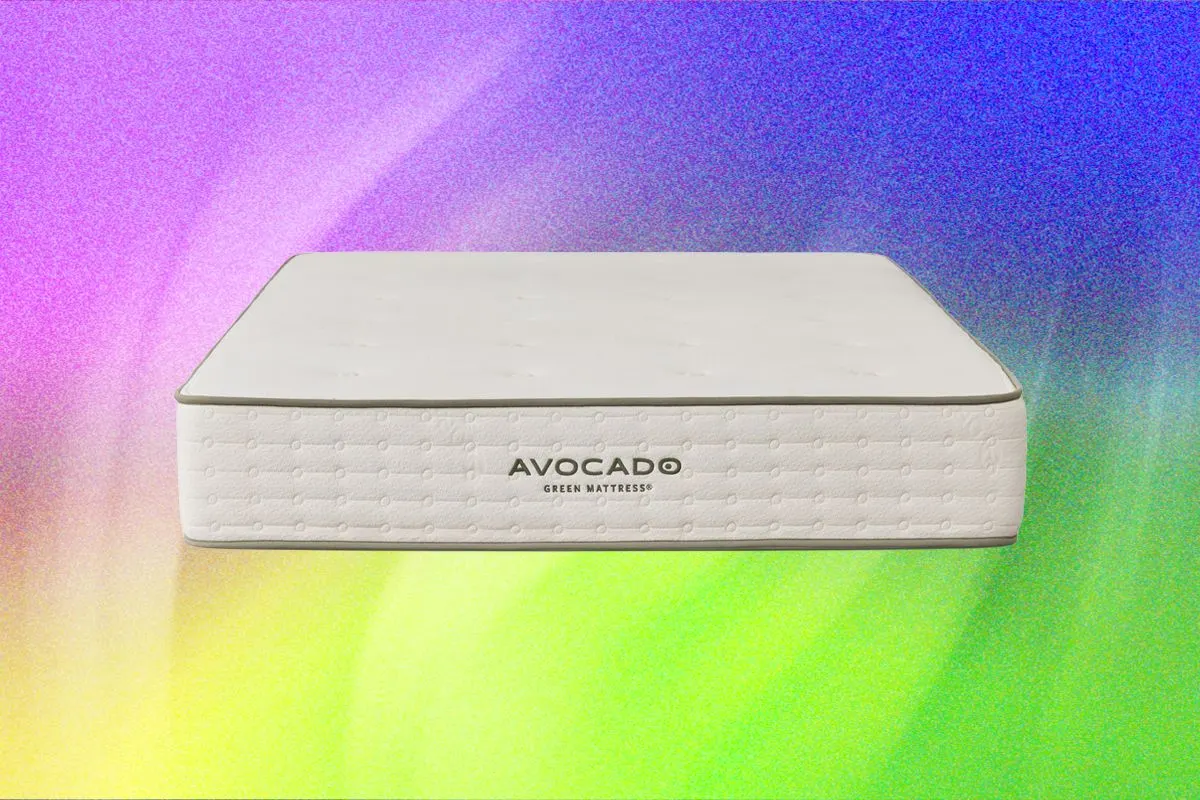
WIRED’s 2026 guide recommends organic mattresses as a way to reduce exposure to potentially concerning materials found in some conventional beds, while warning that “organic” can be used misleadingly in marketing.
– Avocado Green Mattress is the top overall pick; Birch Luxe is another strong option; Coyuchi Natural REM is the luxury choice; and My Green Mattress Kiwi is recommended for children. – The guide says most organic mattresses use natural latex, wool and cotton, and are not necessarily much more expensive than conventional alternatives. – It advises shoppers to look beyond marketing claims for certifications such as GOTS for cotton, GOLS for latex, Made Safe, Oeko-Tex, Greenguard Gold and formaldehyde-free labels. – Avocado and My Green Mattress are identified as the only featured brands certified by both GOTS and GOLS; needle-tufting means a mattress is sewn rather than glued.
In short
- Organic mattresses may avoid some conventional chemical materials.
- Certifications matter more than broad organic marketing claims.
- Avocado leads the guide’s overall recommendations.
Explained simply
Mattresses can contain a mix of materials, including foams, fabrics and treatments. Some shoppers choose beds made with natural materials such as latex, wool and cotton to limit exposure to substances they are concerned about.
The word “organic” on its own does not show how a mattress was made or what it contains. Certifications such as GOTS for textiles and GOLS for latex set standards for those materials, while other labels assess chemical emissions or product safety.
Natural mattresses often use latex for support and wool or cotton in their covers and padding. Construction also matters: needle-tufting sews the layers together, whereas some mattresses use glue.