Culture news and discussion on TalkFuse.
Honda has a new partner for the advancement of solid-state battery technology
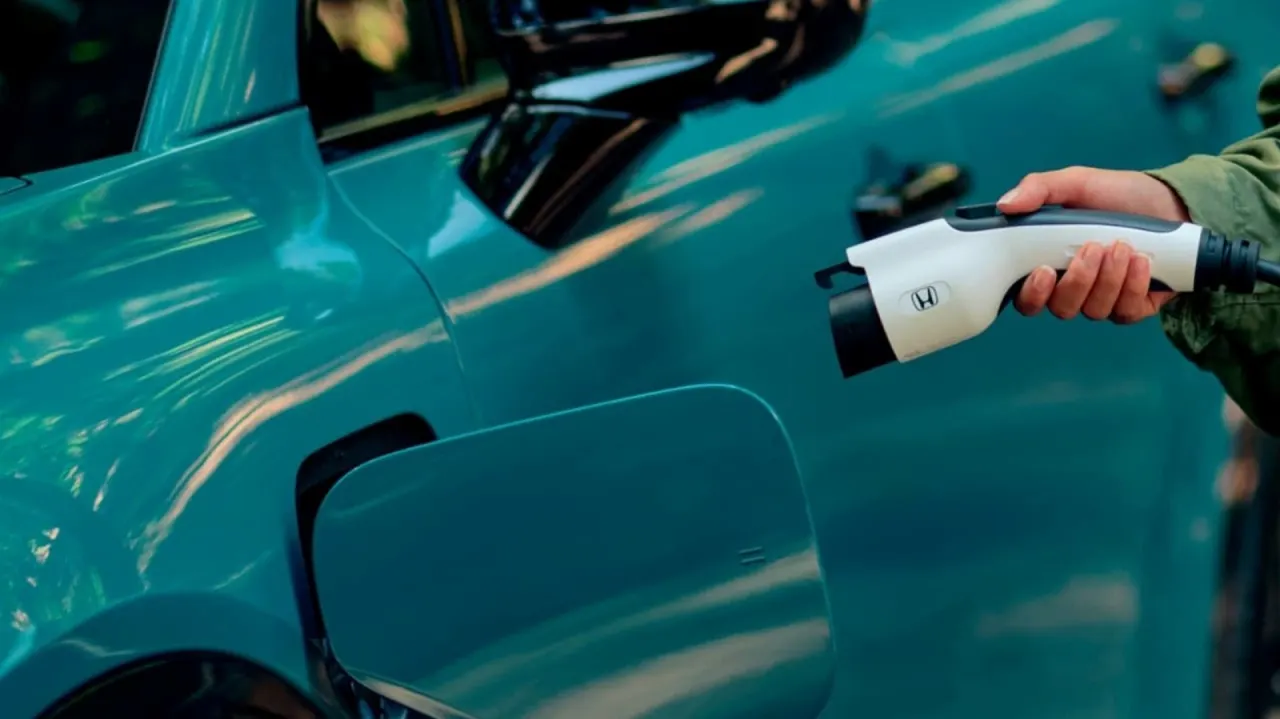
Honda has partnered with California battery developer QuantumScape to research solid-state batteries and related manufacturing methods. The deal may indicate that Honda is placing greater emphasis on next-generation battery technology after cancelling the North American launches of three electric models, and it supports its goal of carbon neutrality by 2050.
Solid-state batteries replace the liquid electrolyte used in conventional lithium-ion batteries with solid materials, potentially allowing lighter, safer and more energy-dense packs. QuantumScape says its anode-free lithium-metal technology could raise an EV’s range from about 350 miles to 400–500 miles, while also enabling faster charging; it has also agreed a similar partnership with Volkswagen’s PowerCo.
In short
- Honda partners with QuantumScape on solid-state battery development.
- The technology could improve EV range, charging speed and safety.
- Honda aims for carbon neutrality by 2050.
Steelman: both sides, in good faith
The strongest fair case each way — we don't pick a winner.
The case for
The partnership with QuantumScape represents a prudent investment in genuinely transformative technology. Solid-state batteries promise to solve fundamental EV limitations—range, charging speed, and weight—that conventional lithium-ion cannot adequately address. Rather than investing heavily in generation-one battery technology destined for obsolescence, Honda is positioning itself at the frontier of innovation with a partner that has attracted backing from Volkswagen, signalling industry-wide credibility. This approach aligns logically with a 2050 decarbonisation goal and the long development cycles required for automotive technology.
The case against
Whilst solid-state battery potential is genuine, the cancellation of three North American EV launches alongside this announcement raises legitimate concerns about Honda's near-term electrification commitment. Competitors are gaining market share and customer loyalty in the EV segment today, whilst solid-state technology remains largely developmental with uncertain timelines. The automotive industry faces increasingly stringent emissions targets that require volume electrification now, not speculative future breakthroughs. This strategy risks abandoning near-term market momentum and consumer trust precisely when EV adoption is accelerating.
Explained simply
Most electric cars use lithium-ion batteries, which move lithium ions through a liquid material called an electrolyte. Solid-state batteries use a solid electrolyte instead and could store more energy in less space, potentially making batteries lighter and reducing fire risk.
Honda is a Japanese carmaker developing electric vehicles, while QuantumScape is a California company working on solid-state battery designs. Volkswagen’s battery business, PowerCo, is also working with QuantumScape, reflecting wider interest among carmakers in the technology.
If solid-state batteries can be made reliably and at scale, they could help electric cars travel further or charge faster. Honda has set a goal of reaching carbon neutrality by 2050, and battery technology is one factor that could shape how it develops future vehicles.