Science news and discussion on TalkFuse.
Beaver dams ‘helping boost drought resilience’
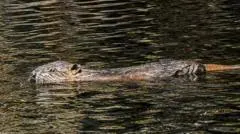
Researchers say beavers are helping to create wetlands that boost drought resilience, as more than half of England currently faces drought conditions amid hot, dry weather. Dr Alan Puttock, from the University of Exeter's Centre for Resilience in Environment, Water and Waste, explained that beaver dams and canals form "complex wetlands" that hold and slowly release water, in contrast to modern landscapes that tend to be heavily drained, offering both wildlife refuge and greater resilience to flooding and drought.
Beavers, once hunted to extinction in Britain roughly 400 years ago, were reintroduced to Devon's River Otter in 2015, with four more pairs released on Cornwall's Par and Fowey rivers in February this year. Puttock said each beaver wetland pond holds around 1,000 cubic metres of water and can reduce peak flows by 30% through leaky dams, though he cautioned that a single wetland won't solve drought problems alone. He also pointed to US research suggesting such wetlands, since "water doesn't burn", could act as a firebreak against wildfires as extreme weather events increase.
In short
- Beaver dams create wetlands that help build drought resilience, researcher says
- More than half of England currently in drought conditions
- Wetland ponds hold ~1,000 cubic metres of water, cutting peak flows by 30%
Steelman: both sides, in good faith
The strongest fair case each way — we don't pick a winner.
The case for
Beaver reintroduction offers a nature-based solution to pressing environmental challenges. By creating wetlands that naturally store and gradually release water, beavers help buffer against both drought and flood extremes—critical as extreme weather intensifies. This approach restores landscape functionality that modern drainage has destroyed, simultaneously enhancing biodiversity, reducing peak flows by substantial margins, and potentially mitigating wildfire risk, all whilst functioning as cost-effective natural infrastructure that requires minimal human maintenance.
The case against
Whilst beaver wetlands offer measurable hydrological benefits, reintroduction creates practical challenges that cannot be dismissed. Farmers and landowners face real costs from flooding, dam damage to property and infrastructure, and loss of agricultural productivity. Given that individual beaver wetlands cannot solve drought problems alone, a more reliable approach involves engineered water management solutions—reservoirs, water recycling systems, improved agricultural practices—that offer predictable outcomes without the substantial management burden and liability complications that come with reintroducing a species that can conflict significantly with human land use.
Explained simply
Beavers are large mammals that build dams from branches and mud across streams. Their dams and channels can slow water and spread it across the surrounding land, creating wetlands. These wetlands provide habitats for wildlife and can affect how water moves through a river catchment.
Beavers once lived across Britain but were hunted to extinction here about 400 years ago. They have since been reintroduced at some sites, including Devon’s River Otter and rivers in Cornwall. Researchers study these populations to understand how beaver activity affects local landscapes and water.
Many parts of England experience water shortages when dry weather reduces supplies, while heavy rain can also bring flooding. Wetlands can store water and release it gradually, but their effects depend on local conditions and they cannot solve drought on their own. Researchers have also suggested that wet ground may slow the spread of wildfires.