Europeans Are About to Find Out How Entrenched AI Is in Their Daily Lives
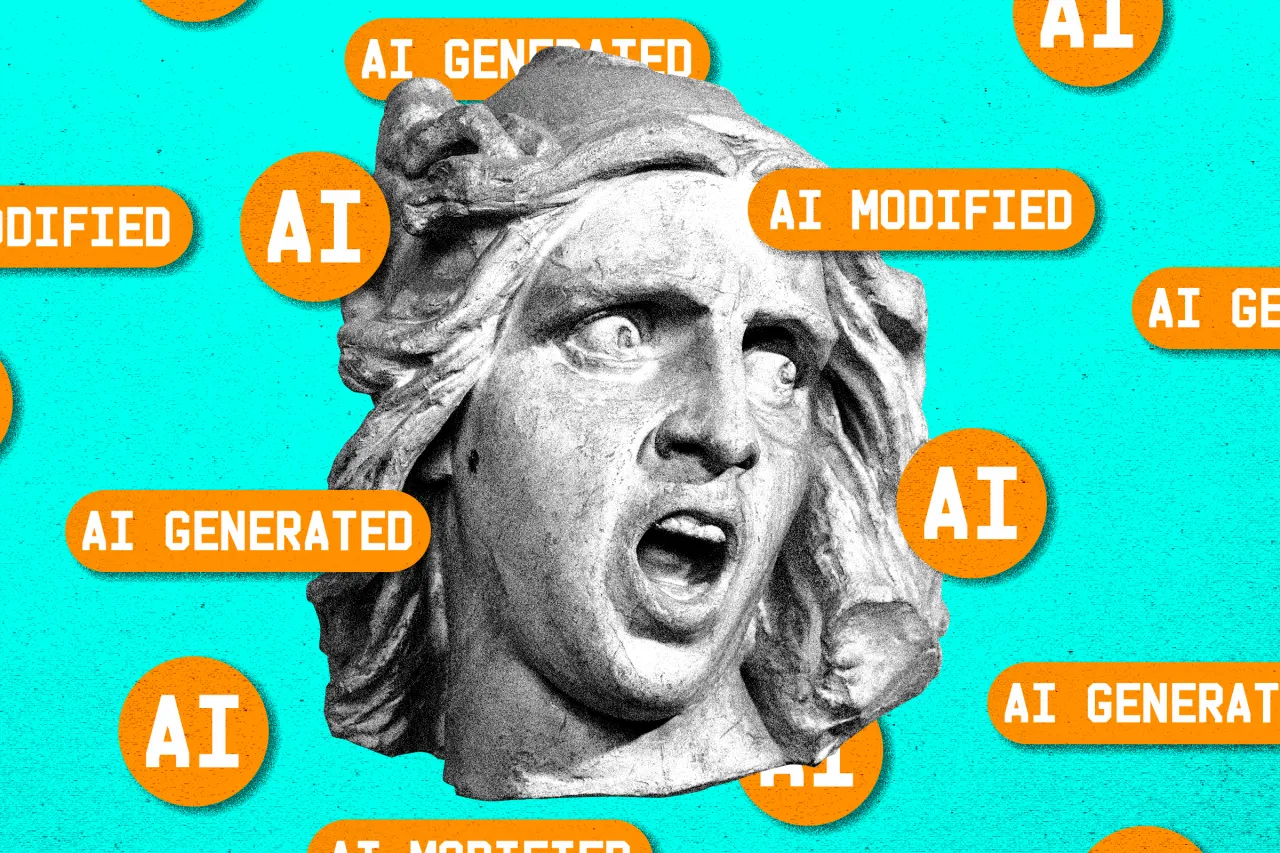
The proliferation of artificial intelligence across European digital services has prompted regulatory intervention. The European Union's new rules require transparent notification whenever residents encounter AI systems or content that has been generated or modified by artificial intelligence, reflecting acknowledgment of how deeply the technology has embedded itself in daily digital experience.
Debate has emerged about the practical effectiveness of this transparency approach. Experts and regulators express concern that the sheer frequency of mandatory AI disclosures could result in 'disclosure fatigue,' where users become desensitised to warnings and stop meaningfully engaging with the information—potentially undermining the regulation's intended goal of protecting consumers through informed decision-making.
In short
- New EU regulations mandate that users be informed whenever they interact with AI systems or view AI-generated or AI-edited content
- Industry observers and regulators worry that constant mandatory disclosures may cause 'disclosure fatigue,' potentially reducing their effectiveness at informing users
Steelman: both sides, in good faith
The strongest fair case each way — we don't pick a winner.
The case for
Advocates of the disclosure rules argue that people have a fundamental right to know when they are dealing with a machine or viewing synthetic content, especially as AI-generated voices, images and text become indistinguishable from human-made ones. They contend that without mandatory labelling, citizens are vulnerable to manipulation, fraud and erosion of trust in media, elections and everyday communication, and that transparency is a modest, proportionate price for maintaining an informed and autonomous public.
The case against
Critics who nonetheless support AI's beneficial integration into daily life worry that blanket disclosure requirements will produce so many warnings and pop-ups that people simply tune them out, undermining the very trust and safety the rules aim to protect. They argue the rules risk burdening minor or low-stakes uses of AI, such as spell-checking or photo touch-ups, with the same bureaucratic weight as high-risk applications, and that innovation and user experience may suffer for a compliance exercise that fails to change real behaviour.
Explained simply
Artificial intelligence is used in many online services, from chatbots and search tools to systems that recommend what people watch or buy. It can also create or alter text, images and other content, so users may not always know when they are interacting with AI or seeing something it has made.
The European Union is introducing rules that require people to be told when they encounter certain AI systems or AI-generated or altered content. The aim is to help people understand how a service or piece of content was produced and make informed choices.
A central question is whether frequent notices will remain useful. If people see them constantly, they may start to ignore them, making it harder for the disclosures to achieve their purpose.