Culture news and discussion on TalkFuse.
Inside the behemoth Smithsonian museum network drawing fire from the Trump administration
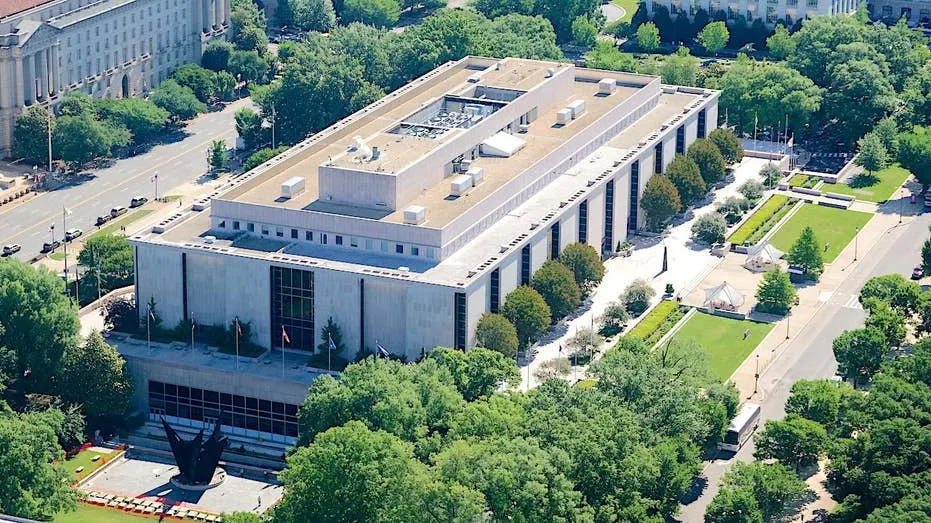
The Smithsonian Institution, the world's largest museum complex, has become a focal point of criticism from President Donald Trump and conservatives, who accuse several of its museums of promoting left-wing, "woke" messaging rather than presenting balanced history. Trump has ordered warning signs to be placed outside Smithsonian sites, arguing that some exhibits emphasise activism over historical fact, a move that underscores growing tension between the administration and one of America's most prominent cultural institutions.
Critics have pointed to specific examples, including material promoting racial reparations and a 2020 infographic that was criticised for characterising traits such as punctuality and hard work as aspects of "white culture." The dispute has also spilled into Congress, with a hearing held to scrutinise the accuracy and political tone of the museum network's displays, further fuelling the debate over the Smithsonian's direction and content.
In short
- Trump orders warning signs outside Smithsonian over "woke" exhibits
- Institution accused of promoting reparations and anti-"white culture" material
- Congressional hearing held to examine museum content and accuracy
Steelman: both sides, in good faith
The strongest fair case each way — we don't pick a winner.
The case for
Museums funded by taxpayers have a responsibility to present history factually and neutrally rather than advance contemporary political agendas or ideological causes. Specific exhibits promoting reparations and characterising traits such as punctuality as aspects of white culture represent advocacy rather than education, risking division rather than unity. Public institutions ought to serve all Americans fairly by presenting evidence and allowing visitors to form their own conclusions, rather than guiding them towards particular political positions.
The case against
Presenting complete, honest history necessarily includes acknowledging systemic racism and the experiences of marginalised communities—omitting such perspectives would itself constitute a form of bias. Museums have an obligation to educate visitors about how racism shaped American society and to include long-excluded voices; discussing these historical realities constitutes factual education, not activism. Criticism of such exhibits often reflects discomfort with candid examination of difficult truths, which itself represents a political position disguised as a call for neutrality.
Explained simply
The Smithsonian Institution is a group of museums, galleries and research centres in the United States, most of them in Washington, DC. It was founded in the 19th century and is funded largely by the federal government, while being run by its own board of regents.
Its museums cover subjects including American history, art, science and culture, and their collections and exhibitions reach millions of visitors. Decisions about what to display can shape how people understand the country’s past, including slavery, race and political conflict.
That makes the Smithsonian a prominent part of wider disagreements in the US about how history should be taught and presented. The dispute involves the institution, its critics in conservative politics and the federal government, which helps fund it.