Technology news and discussion on TalkFuse.
Is It Possible to Make Smart Glasses That Aren’t Creepy?
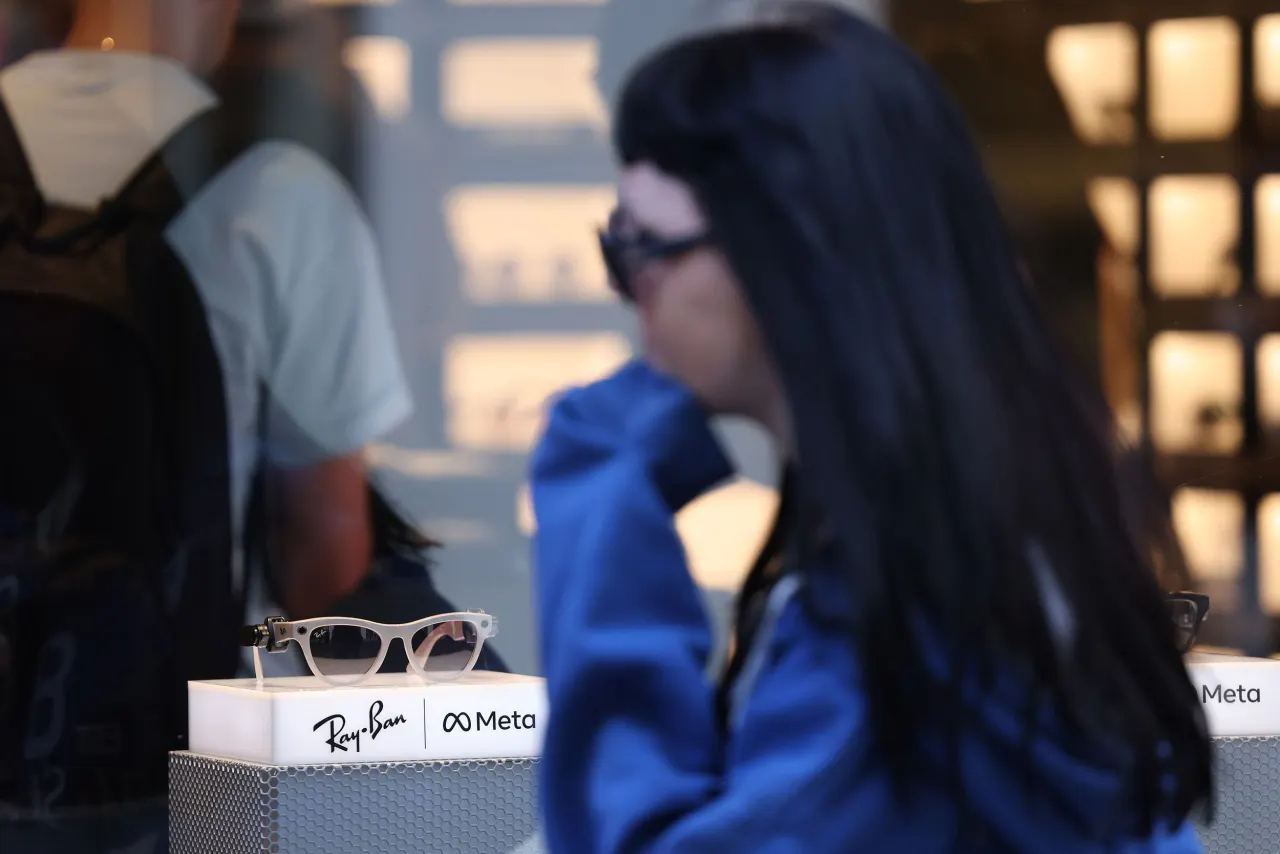
Smart glasses are booming, but the same features that make them useful—built-in cameras that can capture whoever the wearer looks at—have made them a lightning rod for privacy concerns, with Meta, the market leader, facing the sharpest criticism. Because the devices are worn passively rather than held up like a phone, and their recording indicators can be disabled or bypassed, bystanders often cannot tell when they are being filmed, a concern likely to intensify as Google, Samsung and eventually Apple enter the market.
Meta's glasses can record images, audio and video, and although they include an indicator light, some users have found ways to disable it, prompting the company to add anti-tamper safeguards. Meta also built and later removed a facial-recognition feature called Name Tag after WIRED exposed it, though its CTO confirmed it had existed. Despite the controversy, Meta has sold tens of millions of units, and smaller rivals such as Even Realities and Solos are trying to differentiate themselves with camera-free designs or physical privacy shields, while Apple has reportedly delayed its own smart glasses to address similar privacy worries ahead of a possible 2027 launch.
In short
- Smart glasses' hidden cameras raise growing privacy and consent concerns
- Meta faces most scrutiny; scrapped a facial-recognition feature after exposure
- Rivals offer camera-free or shielded designs as Google, Samsung, Apple enter market
Steelman: both sides, in good faith
The strongest fair case each way — we don't pick a winner.
The case for
Advocates for camera-equipped smart glasses argue they are a natural evolution of everyday recording technology, following much the same path as camera phones, which once caused similar alarm before social norms and etiquette adapted. They point to genuine benefits, including hands-free documentation, accessibility aids for people with disabilities, and improved navigation or memory support, and argue the market is already correcting for privacy worries through indicator lights, anti-tamper safeguards and camera-free alternatives from smaller rivals. They also note that recording in public spaces is generally lawful, so the central challenge is one of etiquette and gradual adjustment rather than a wholly new harm demanding heavy-handed restriction.
The case against
Critics argue that smart glasses differ meaningfully from phones because they enable passive, inconspicuous recording of bystanders who have no reliable way of knowing they are being filmed, eroding the basic expectation of consent in everyday public interactions. They point to Meta's disableable indicator lights and its since-removed Name Tag facial-recognition feature as evidence that privacy protections have often been an afterthought, strengthened only after users found workarounds or journalists exposed the risk, rather than built in from the outset. For these critics, voluntary industry restraint is not a sufficient safeguard, particularly as more manufacturers enter the market and the technology becomes widespread before clear norms, disclosures or regulation are firmly in place.
Explained simply
Smart glasses that pack in cameras, microphones and audio recording have grown hugely popular, led by Meta, which has sold tens of millions of pairs. Because they look like ordinary glasses and are worn on the face rather than held up like a phone, people around the wearer often cannot easily tell when they are being filmed or recorded, which is why they have drawn sustained criticism over privacy.
Meta's devices are meant to show a light when recording, but this can reportedly be disabled or worked around, and the company previously developed a facial-recognition tool called Name Tag before scrapping it once it came to public attention. Other manufacturers, including Even Realities and Solos, have tried different approaches, such as leaving cameras out altogether or adding physical covers.
This matters because major technology companies including Google, Samsung and Apple are all moving into the smart glasses market, meaning the devices are likely to become far more common. How manufacturers handle the tension between useful features and bystanders' privacy will shape how these products are received and regulated as they spread.