Culture news and discussion on TalkFuse.
Iran’s war on Americans began decades ago. These families still carry the scars
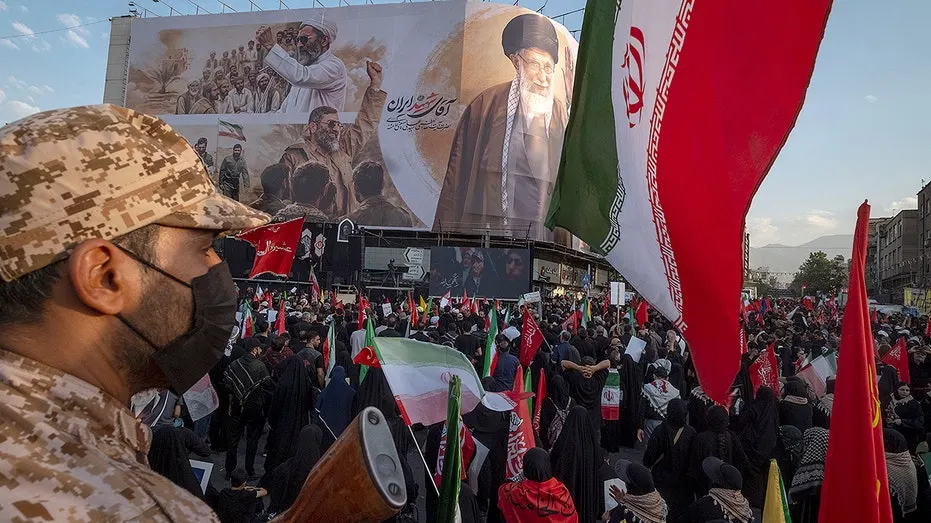
Gold Star families and veterans in the United States say Iran's campaign against American troops did not begin with recent hostilities but stretches back nearly two decades, to attacks carried out by Iranian-backed militias in Iraq from around 2005 onwards. Relatives of service members killed in these attacks, including the sister of Maj Stuart Wolfer and the widow of Capt Shawn English, say the wounds from that earlier conflict remain raw, even as a new war between the US and Iran has drawn fresh attention to Tehran's hostility towards Americans.
The article recounts how an Iranian-made explosively formed penetrator destroyed a US Army vehicle on a road in Baghdad, killing Staff Sgt William Brooks and severely wounding Sgt (Ret) Robert Bartlett, who says he "died three times" from his injuries. According to findings made in US federal court, this device was one element of a wider Iranian effort to arm and train proxy fighters to target American forces in Iraq, with legal cases identifying hundreds of US victims of the campaign.
In short
- Gold Star families say Iran's proxy war on US troops began around 2005
- Iranian-backed militias used deadly roadside bombs against US forces in Iraq
- Federal court findings link Iran to arming proxies behind hundreds of US casualties
Steelman: both sides, in good faith
The strongest fair case each way — we don't pick a winner.
The case for
Iranian-backed forces deliberately attacked American military personnel over decades, killing and severely wounding hundreds of troops. These attacks are well-documented in US federal court proceedings and represent a sustained campaign by a state actor against American forces. Gold Star families' ongoing grief is valid, and properly acknowledging Iran's pattern of hostility towards Americans is essential for understanding current tensions and honouring those killed.
The case against
Whilst acknowledging the real casualties and Iran's involvement, contextualising these conflicts is crucial. The proxy forces that Iran supported emerged in response to the 2003 US invasion and occupation of Iraq, not as an unprovoked campaign. Interpreting these events as part of regional proxy warfare, rather than simply as evidence of Iranian aggression, provides necessary historical context and helps prevent narratives that obscure how America's own military presence in Iraq catalysed the development of these hostile forces.
Explained simply
From 2005, US troops in Iraq faced attacks by armed groups backed by Iran. Some used explosively formed penetrators, roadside bombs designed to send a metal projectile through armoured vehicles. US court cases have linked Iran to providing weapons and training to these groups.
The attacks killed and injured American service members, leaving families and veterans to live with their effects. Among those affected were the relatives of Staff Sgt William Brooks, who was killed in Baghdad, and Sgt Robert Bartlett, who survived severe injuries. The history helps explain why current US-Iran tensions bring earlier losses back into focus.