Culture news and discussion on TalkFuse.
Can using your phone while charging affect its battery life?
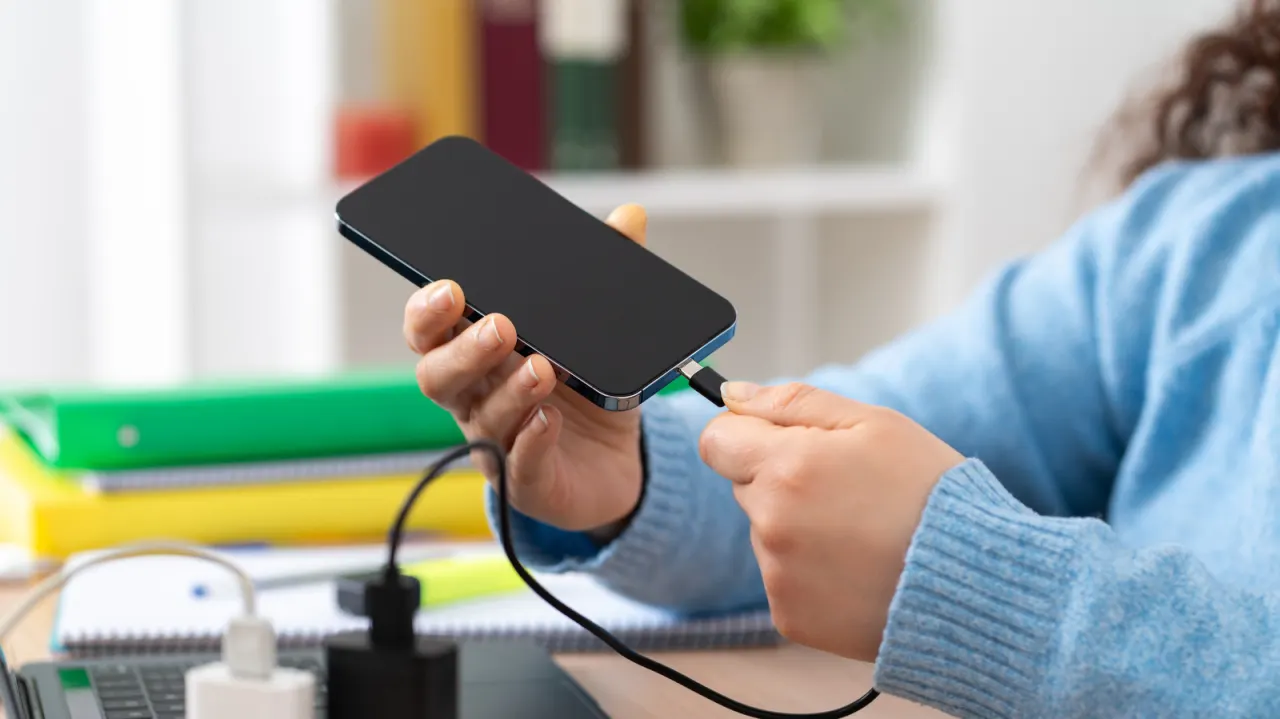
Using a smartphone while it is charging does not harm the battery, contrary to a common misconception, according to a report examining phone-charging myths. Most modern handsets rely on "bypass charging" technology, which diverts incoming power directly to running apps rather than to the battery when the phone is in heavy use, preventing the overheating that can degrade battery health over time.
The feature, first seen in the Sony Xperia 1 II in 2020 under the name Heat Suppression Power Control, is now common on phones from Samsung, Google, Xiaomi and ZTE, though Apple's iPhones do not yet support it. Even on devices without bypass charging, using the phone simply slows the charging speed rather than damaging the battery, and users are advised to stop only if the device becomes excessively hot. The article also debunks other myths, noting that leaving a phone plugged in overnight is safe because charging automatically stops at 100%, and that batteries do not need to be fully drained before recharging.
In short
- Using your phone while charging does not damage the battery
- Bypass charging diverts power to apps, pausing battery charging
- Overnight charging and partial charging cycles are also safe myths
Explained simply
Smartphones use rechargeable lithium-ion batteries, which wear down gradually through heat and repeated charging. Too much heat can speed up that wear, so how a phone manages warmth while plugged in can affect battery health.
Some phones can route power to the apps being used instead of sending it through the battery; this is called bypass charging. The feature began appearing in handsets in 2020 and is now offered by several manufacturers, while Apple’s iPhones do not support it.
On phones without this feature, using apps while charging can make charging slower. The issue matters mainly if a phone gets excessively hot, as sustained heat can shorten battery life.
Art Culture Gadgets Technology