New releases, music videos and album news — indie, rap, rock and pop. Always covering Ren, Chris Webby, Sam Tompkins, bbno$, CHINCHILLA, Muse, Yungblud and more.
Barbie Sequel Remains Uncertain Amid Stalled Talent Negotiations
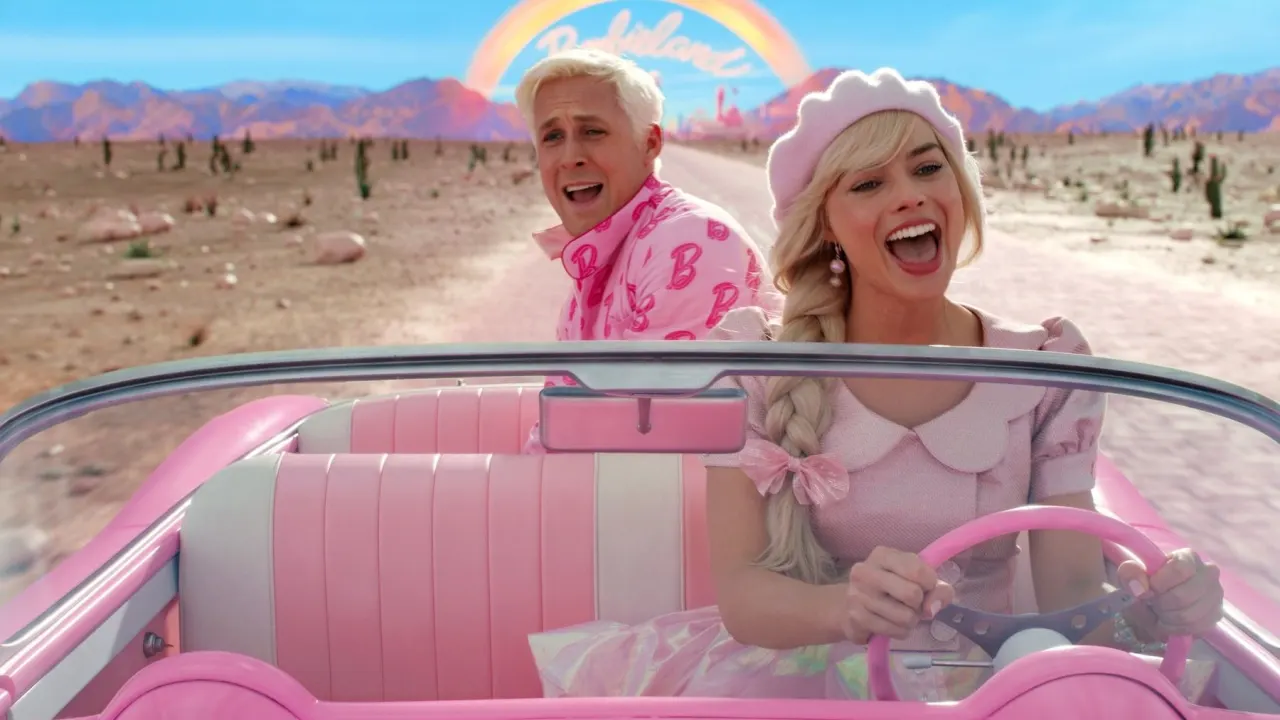
Warner Bros. Discovery is racing to secure a sequel to "Barbie" before its film rights revert to Mattel in December, with negotiations to bring back director Greta Gerwig and stars Margot Robbie and Ryan Gosling still stalled. The stand-off matters because it could see one of the most commercially successful films of recent years slip out of Warner Bros.' hands just as the studio faces uncertainty over its planned merger with Paramount Skydance, which is currently paused pending an antitrust lawsuit.
According to The New York Times, talks have dragged on for months without meaningful progress, with Warner Bros. chief David Zaslav reportedly baulking at offers he considers too generous, including a reported $20 million fee for Gosling plus a share of profits tied to box office performance. Talent representatives are said to have rejected the studio's latest offer back in May, with no counter-offer made since, while Gerwig's original contract for the first film reportedly did not commit her to a sequel. Mattel chief executive Ynon Kreiz has voiced frustration at the delay, while the original "Barbie" grossed $1.5 billion worldwide, earned eight Oscar nominations and won Best Original Song, underlining the stakes involved.
In short
- Barbie sequel talks stalled; Mattel rights revert in December without a deal.
- Warner Bros. and stars disagree over pay, including a reported $20m Gosling offer.
- Original film earned $1.5bn and eight Oscar nominations, raising the stakes.
Steelman: both sides, in good faith
The strongest fair case each way — we don't pick a winner.
The case for
The first "Barbie" was a transformative cultural phenomenon and massive commercial success, with Gerwig's creative vision and the stars' performances being essential to its $1.5 billion global gross and eight Oscar nominations. Talent compensation should reflect the value they created and the proven market demand for their involvement, making requests for meaningful profit participation reasonable and in line with industry standards for A-list talent on proven franchises.
The case against
Whilst the first film was extraordinarily successful, sequels are inherently riskier and studios must maintain financial discipline across their portfolio, as even major franchises frequently underperform their predecessors. Warner Bros.' concerns about unsustainable compensation, particularly backend participation structures that could render the film unprofitable if it underperforms, represent prudent stewardship, and the studio's ownership of the underlying IP gives it legitimate leverage to reach economically viable terms.
Explained simply
Barbie is a film franchise based on Mattel’s toy, made by the company behind the doll. Warner Bros. released the 2023 film, directed by Greta Gerwig and starring Margot Robbie and Ryan Gosling; it became a major box-office success.
A sequel would depend on agreements with the people who made and starred in the first film, as well as the rights to use Barbie on screen. Mattel owns the brand, while Warner Bros. has held the film rights under an agreement with a deadline.
The outcome matters to both companies because a sequel could build on the first film’s audience and earnings. It also involves negotiations over creative roles, pay and how any profits would be shared.