World news and discussion on TalkFuse.
Rubio warns Cuba has infiltrated US with spies, calls communist regime an ‘espionage superpower’
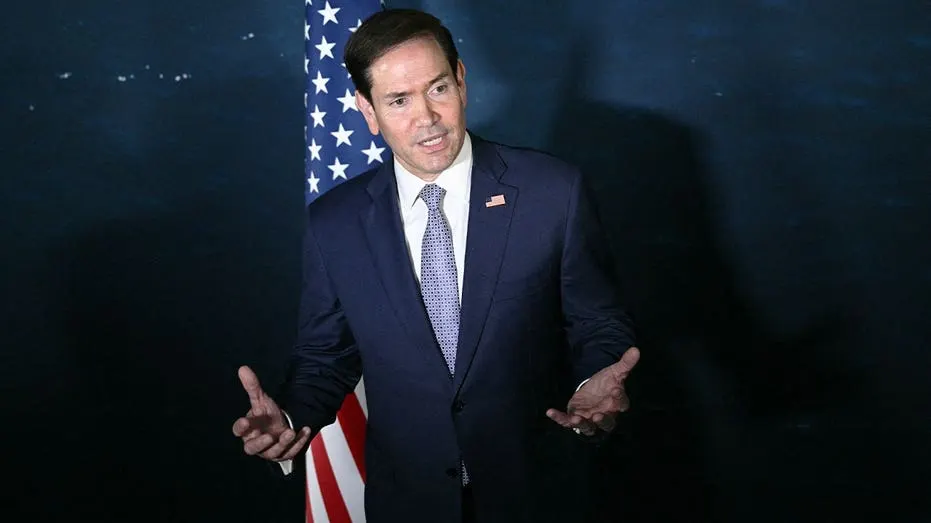
US Secretary of State Marco Rubio has warned that Cuba has built up a significant spy network within the United States, describing the communist-run island as an "espionage superpower." He made the comments during an appearance on Fox News' "My View with Lara Trump," where he discussed the security threat he believes Cuba poses to American institutions.
According to the report, Rubio's remarks focused on espionage and influence operations linked to Havana, alongside broader discussion of US relations with Venezuela and China. The article, drawn from a video segment, does not provide further specific figures or details on the scale or nature of the alleged infiltration beyond Rubio's characterisation of Cuba's intelligence capabilities.
In short
- Rubio calls Cuba an "espionage superpower" over alleged US infiltration
- Comments made on Fox News' "My View with Lara Trump"
- Discussion also touched on Venezuela and China relations
Steelman: both sides, in good faith
The strongest fair case each way — we don't pick a winner.
The case for
Cuba has a well-documented history of intelligence operations against the United States, and security professionals have identified ongoing espionage activities. For a Secretary of State to warn publicly about foreign intelligence threats is a legitimate national security responsibility, particularly regarding a geopolitical rival. Given Cuba's strategic focus on intelligence gathering as a cost-effective way to project power and influence, characterising such operations as significant is reasonable and warrants public attention.
The case against
Whilst Cuban intelligence activities are real, characterising Cuba as an "espionage superpower" appears disproportionate compared to documented threats from China, Russia, and other powers with vastly greater resources and capabilities. Rubio's statement lacks specific evidence about the scale or current nature of alleged infiltration, and his well-known hardline stance on Cuba raises reasonable questions about whether the rhetoric reflects a balanced threat assessment or serves particular political purposes. A more measured characterisation of actual threats would better serve genuine national security discussions.
Explained simply
Cuba is a Caribbean island country led by a communist government since the 1959 revolution, when Fidel Castro’s forces overthrew the US-backed government. The United States and Cuba have had a tense relationship for decades, shaped by the Cold War, disputes over political freedoms and a long-running US trade embargo.
Marco Rubio is the US secretary of state, the senior official responsible for foreign policy. He is the son of Cuban immigrants and has long taken a hard line on Cuba’s government. Claims about spying concern whether a foreign government gathers secret information or seeks to influence institutions in another country, issues that can affect national security and relations between governments.