Massive Attack call out Singaporean government following ban for Palestinian flag
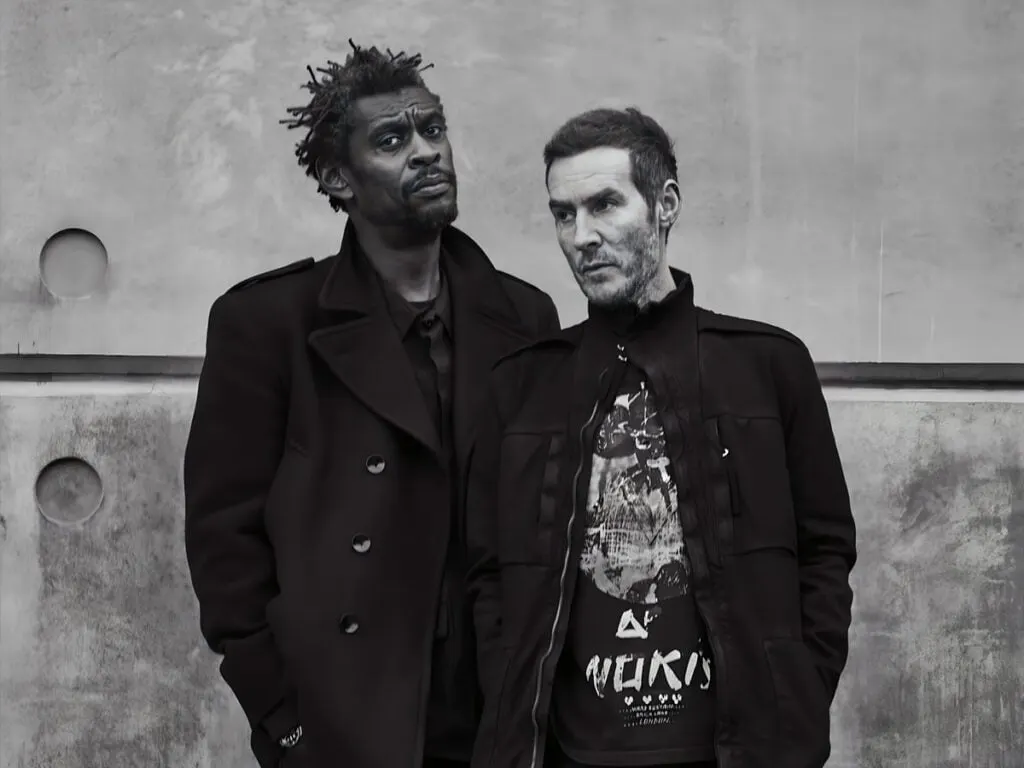
Massive Attack have criticised the Singaporean government after two members of the British trip-hop group were barred from returning to the country for displaying a Palestinian flag during a concert. The dispute has highlighted Singapore’s restrictions on foreign political symbols and the tension between its public-order rules and artists’ freedom of expression.
The incident occurred at the band’s Singapore show on 29 July, where Robert Del Naja and Grant Marshall held up the flag on stage. Authorities said the display breached the event’s licensing conditions and warned that foreign political issues should not be imported into Singapore; the two musicians received warnings and re-entry bans. Massive Attack, long-standing supporters of Palestinian causes, responded by condemning the decision and reiterating their support for Palestine.
In short
- Two Massive Attack members were barred from Singapore after displaying a Palestinian flag.
- Authorities cited licensing rules and social harmony concerns.
- The band condemned the action and maintained its pro-Palestinian stance.
Steelman: both sides, in good faith
The strongest fair case each way — we don't pick a winner.
The case for
Singapore's government maintains reasonable restrictions on foreign political symbols at public events to preserve social harmony in a diverse, multi-ethnic society where such disputes could heighten community tensions. Authorities argue that licensing conditions, known beforehand, exist precisely to keep international political conflicts from being imported into local spaces, and enforcement represents a legitimate exercise of state authority to maintain public order rather than arbitrary suppression.
The case against
The restriction on political expression—particularly regarding causes with genuine humanitarian dimensions—undermines fundamental freedoms essential to artistic practice and free speech. Artists argue that their right to address international human rights concerns should not be subject to government approval, and that event licensing conditions restricting political messages constitute an unjustifiable form of censorship that prevents legitimate discourse on matters of global concern.
Explained simply
Massive Attack are a British music group whose members include Robert Del Naja and Grant Marshall. Their concerts take place under local laws and event rules, which can restrict what performers display or say on stage.
Singapore regulates political activity and symbols at public events, including those connected to disputes overseas. The Palestinian flag is associated with Palestinian national identity and the Israeli-Palestinian conflict, a long-running dispute over land, security and statehood.
The case raises questions about how Singapore applies its public-order rules to foreign performers, and how those rules interact with artists’ expression of political views. It also reflects wider debate over whether overseas conflicts should be represented at cultural events.