World news and discussion on TalkFuse.
9 years later, Spider-Man still can’t break from the MCU’s most divisive Peter Parker tradition
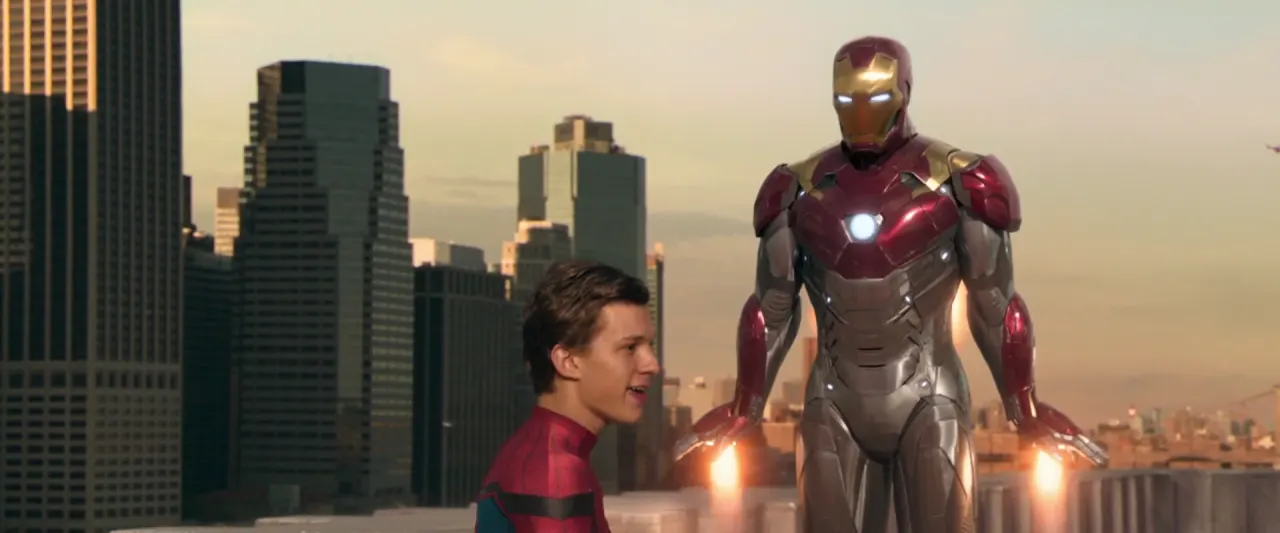
The article traces a recurring feature of the Marvel Cinematic Universe's Spider-Man films: Peter Parker's reliance on a talking AI assistant. In *Spider-Man: Brand New Day*, an isolated Peter (Tom Holland), who has lost Aunt May and been forgotten by his friends, again turns to an AI companion, this time named E.V. (voiced by Naomi Watts), continuing a pattern some fans have long criticised as making the hero too dependent on technology.
The piece charts the lineage of these AI companions across the franchise: Karen (Jennifer Connelly), built into Tony Stark's suit in *Spider-Man: Homecoming*, destroyed in *Far From Home*; EDITH (Dawn Michelle King), a Stark-designed security AI housed in glasses that briefly fell into Mysterio's hands before being confiscated by the Department of Damage Control in *No Way Home*; and now E.V., which Peter built himself after losing access to Stark technology. Director Destin Daniel Cretton describes E.V. as "the closest thing Peter has to a friend," and the article suggests this iteration feels less intrusive than its predecessors given how alone Spider-Man now is.
In short
- MCU's Spider-Man films keep giving Peter Parker a talking AI sidekick.
- New film *Brand New Day* introduces AI assistant E.V., voiced by Naomi Watts.
- Follows Karen and EDITH, previous AIs destroyed or confiscated in earlier films.
Steelman: both sides, in good faith
The strongest fair case each way — we don't pick a winner.
The case for
The recurring reliance on AI assistants undermines Spider-Man's fundamental appeal as a resourceful, self-reliant hero. Peter Parker has traditionally been valued for his cleverness and ability to overcome challenges through personal ingenuity; replacing this with dependence on talking AIs—Karen, EDITH, E.V.—weakens his agency and narrative stakes. The pattern also risks sending a problematic message, particularly to younger audiences, that technological intermediaries are necessary for success rather than one's own determination and problem-solving capacity.
The case against
The AI companions serve meaningful narrative purposes grounded in Peter's character. As an authentic tech-savvy genius, creating and collaborating with technology reflects who he genuinely is rather than contradicting it. These assistants function as essential emotional anchors when Peter is traumatised or isolated, allowing him to process grief and loneliness in dramatically necessary ways. The pattern actually deepens his characterisation by showing emotional intelligence and human connection in his darkest moments, whilst acknowledging how contemporary young people realistically navigate support systems.
Explained simply
Marvel's Spider-Man films have long tied Peter Parker's crime-fighting to a piece of artificial intelligence built into his suit. It began with Karen in Homecoming and continued with EDITH in Far From Home, both created using technology from Tony Stark. The newest instalment, Brand New Day, keeps this pattern going with a new AI called E.V., which Peter designs himself after losing access to Stark's resources.
Some fans and commentators see this as a problem, arguing that Spider-Man is traditionally defined by resourcefulness and self-reliance, qualities that having a built-in AI helper seems to undercut. Others, including those behind the films, argue the AI serves an emotional rather than purely practical purpose, giving an isolated teenager a sense of companionship after the losses and upheaval of earlier stories.
This debate matters to the wider conversation about how blockbuster franchises balance technology and character development, and whether long-running story devices strengthen or dilute what made a character distinctive in the first place.