Culture news and discussion on TalkFuse.
“The others realised they couldn’t stop me because it was too close to the show… I got away with it, although it was a close-run thing”: How Peter Gabriel developed his Genesis frontman act
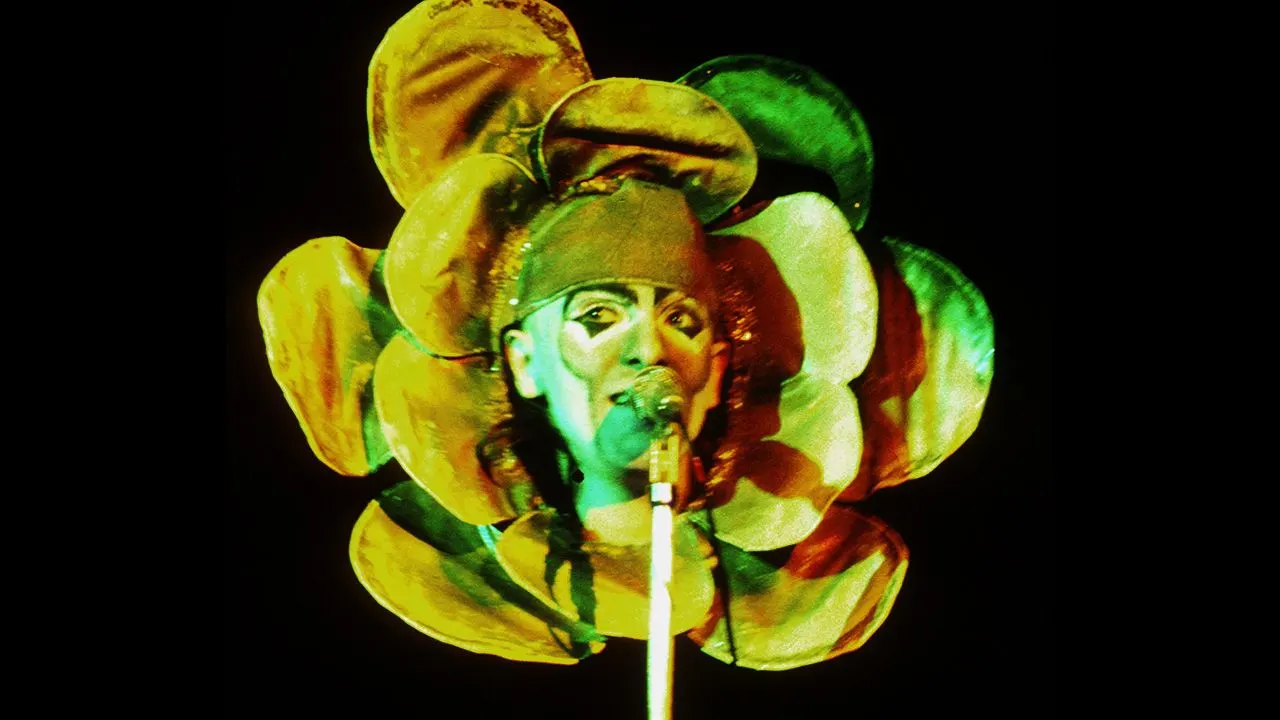
Peter Gabriel's flamboyant and unpredictable stage persona was a key part of Genesis's early appeal, helping to draw audiences even before the band achieved mainstream commercial success. In a 2023 interview with Prog magazine, Gabriel reflected on the thinking behind his elaborate costumes and characters, revealing that his theatrical choices sometimes put him at odds with his bandmates in the years before he left Genesis in 1975.
Gabriel recalled shaving his head for the band's 1978 tour, a striking look at a time when a bald head was strongly associated with skinhead and far-right subcultures, deliberately clashing this image with softer, more whimsical props such as a pink teddy bear used during the song "Me and My Teddy Bear" — reportedly the first song he ever performed live. He explained that such contrasts were intentional provocations, and that his more daring on-stage decisions often went ahead only because there was insufficient time before a show for other band members to intervene, describing at least one instance as "a close-run thing" where he narrowly got away with a contentious costume choice.
In short
- Peter Gabriel discussed his theatrical Genesis-era stage persona in a 2023 interview
- His costumes, including a shaved head, sometimes clashed with bandmates' wishes
- He said tight timing before shows let him "get away with" bold choices
Explained simply
Genesis were an English rock band whose early music combined songs with elaborate stories and theatrical performances. Peter Gabriel was the band’s lead singer until he left in 1975, and his costumes and characters became a distinctive part of their live shows.
Gabriel said he used contrasts in his stage image to surprise audiences, sometimes choosing looks that challenged common associations. Those choices could cause disagreements within the band, whose members had to balance his performance ideas with their own views of how Genesis should appear on stage.
The story matters because Gabriel’s theatrical approach helped shape Genesis’s identity before the band became more widely successful. It also offers a glimpse of how creative decisions were negotiated within the group.
Art Culture Entertainment Geopolitics Music Politics