Business news and discussion on TalkFuse.
Healey’s profiteering warning on food and fuel sparks retailer anger
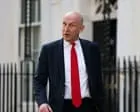
Chancellor John Healey has warned that the government is watching closely for signs of profiteering by big retailers and fuel sellers as the ongoing conflict involving Iran continues to push up prices in the UK. Writing in the Sunday Telegraph, he said ministers wanted to stop shoppers being "taken for a ride at the pump or the till", though he acknowledged there was "no significant evidence of so-called price gouging" so far. The remarks risk reigniting tensions between government and retailers, coming as the energy shock from the Middle East conflict adds fresh pressure to the cost of living.
The warning follows the Bank of England's decision last week to hold interest rates, alongside a caution that further escalation in the conflict could push inflation above 4% next year. It also echoes an earlier row sparked by former chancellor Rachel Reeves, who floated a possible cap on food prices, prompting M&S chief executive Stuart Machin to call the idea "completely preposterous". The British Retail Consortium hit back on Sunday, with its Andrew Opie arguing that fierce competition, not government intervention, has kept UK food prices among the lowest in western Europe, and suggesting Healey instead scrutinise the inflationary effect of tax rises such as employer national insurance and business rates.
In short
- Healey warns retailers against profiteering amid Iran conflict price pressures
- No evidence yet of price gouging, but ministers "watching closely"
- Retail industry pushes back, blames tax rises for inflation instead
Steelman: both sides, in good faith
The strongest fair case each way — we don't pick a winner.
The case for
The government's warning reflects legitimate concerns that during supply shocks, retailers might exploit consumer anxiety by raising prices beyond what's necessary to cover genuine cost increases. When essential commodities become costlier, the incentive to maximise profits can grow, and vulnerable households suffer most. Government vigilance serves both to deter exploitative behaviour and to reassure citizens that their interests are being protected during economic disruption.
The case against
Retailers argue that fierce competition in the UK grocery sector naturally constrains prices, with the UK maintaining some of Europe's lowest food costs without government intervention. They contend that government threats distract from the real causes of inflation—such as the employer national insurance contributions and business rates increases introduced by this government itself—and create regulatory uncertainty that discourages investment. Blaming retailers for rising prices driven by external geopolitical shocks is unfair scapegoating when evidence shows no actual price gouging.
Explained simply
The conflict involving Iran has disrupted energy markets, putting pressure on fuel costs and adding to prices across the UK. When businesses pass on higher costs, shoppers may pay more at the pump and in shops, contributing to the cost of living and inflation.
The government can examine how prices are set, while retailers say competition between shops helps keep prices down. The British Retail Consortium represents UK retailers, and its Andrew Opie has argued against more government intervention. A previous suggestion of a food price cap also drew criticism from M&S chief executive Stuart Machin.
Business Culture Food Government Middle East Politics World