Entertainment news and discussion on TalkFuse.
How long can you expect a PlayStation 5 to last?
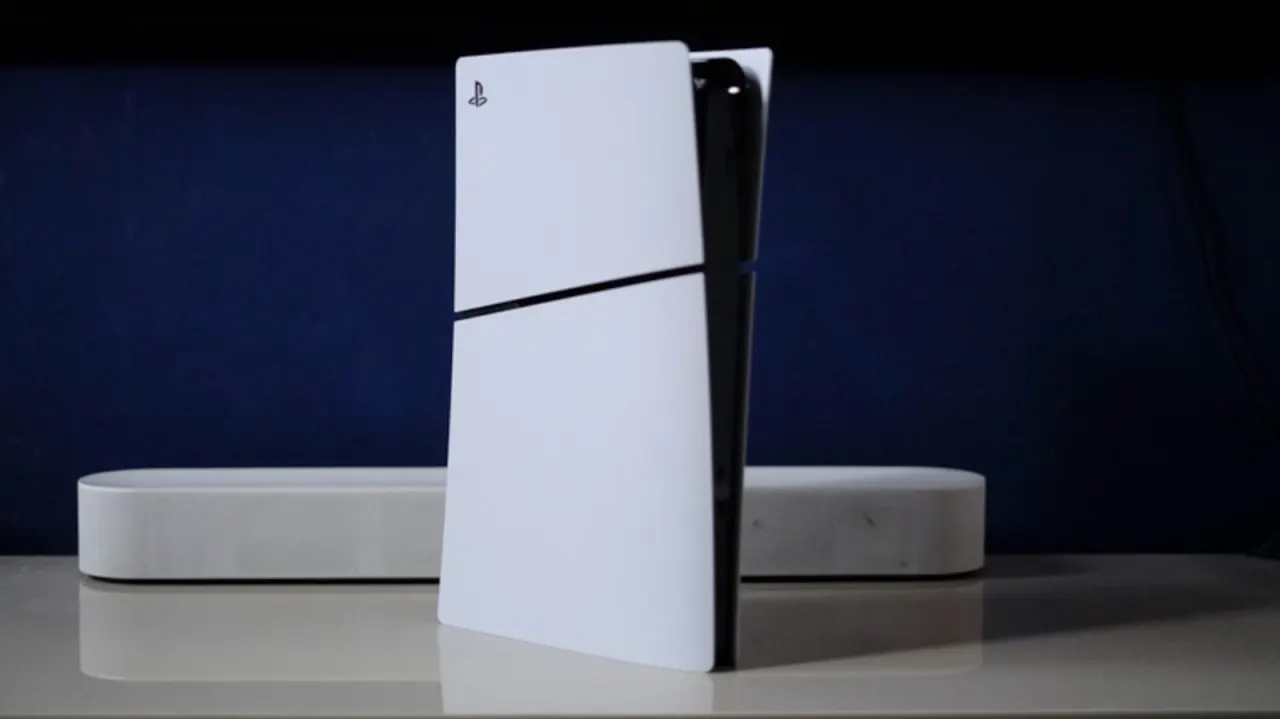
The PlayStation 5 is unlikely to become obsolete any time soon, even as talk of a PS6 grows louder amid rising hardware costs and a potential shift away from disc-based games. Sony has a strong track record of supporting older consoles long after successors launch, meaning PS5 owners priced out of the next generation should have plenty of time before the console loses meaningful support.
The article points to the PS4, launched in 2013, as evidence: it still receives occasional firmware updates, most recently last month, and remains fully functional 13 years on. Historically, Sony has maintained cross-generation software support for years into each new console's life, and the PS4 still gets new releases, including hits like Fortnite and Roblox, though major first-party titles largely moved on after 2022's God of War: Ragnarok. With Sony's own AAA output slowing sharply this generation, the article suggests the PS5 will likely enjoy similarly extended support, though future cross-generation games are unlikely to arrive on physical discs.
In short
- PS5 unlikely to be abandoned soon despite growing PS6 speculation
- Sony still updates the 13-year-old PS4, setting a supportive precedent
- Future cross-gen releases likely won't come on disc
Steelman: both sides, in good faith
The strongest fair case each way — we don't pick a winner.
The case for
Sony's track record demonstrates strong support: the PS4, now 13 years old, still receives firmware updates and major new releases like Fortnite and Roblox. The company has consistently maintained cross-generational software availability, extending practical value for millions unable to afford immediate upgrades. This pattern reflects both business incentive—maintaining ecosystem goodwill—and practical capability, suggesting PS5 owners can expect years of meaningful software support and playable new releases.
The case against
Hardware inevitably degrades regardless of software support, and future games will become increasingly demanding, rendering older machines less capable of playing them well. The gaming industry's incentive structure has shifted: rising manufacturing costs and slowing first-party output make manufacturers keener to push new console sales, whilst the move away from physical media enables harder generational breaks. Historical patterns from different market conditions may not predict future support cycles when both economic pressures and technological divergence favour shorter lifecycles.
Explained simply
Sony makes the PlayStation, a games console series that moves through generations as newer machines replace older ones. The PS5 is the current generation, while the PS4 came before it and launched in 2013.
When a new console arrives, developers can keep releasing games for older machines, but support tends to fade over time. The PS4 still works and receives occasional updates, though most major games made by Sony have moved on to newer consoles.
How long the PS5 remains useful will depend on Sony’s support and on which consoles game makers choose to target. This matters to people deciding whether to keep their PS5 or pay for a newer system when one becomes available.