Business news and discussion on TalkFuse.
Farage urged to ‘come clean’ after facing new questions over £5 million gift
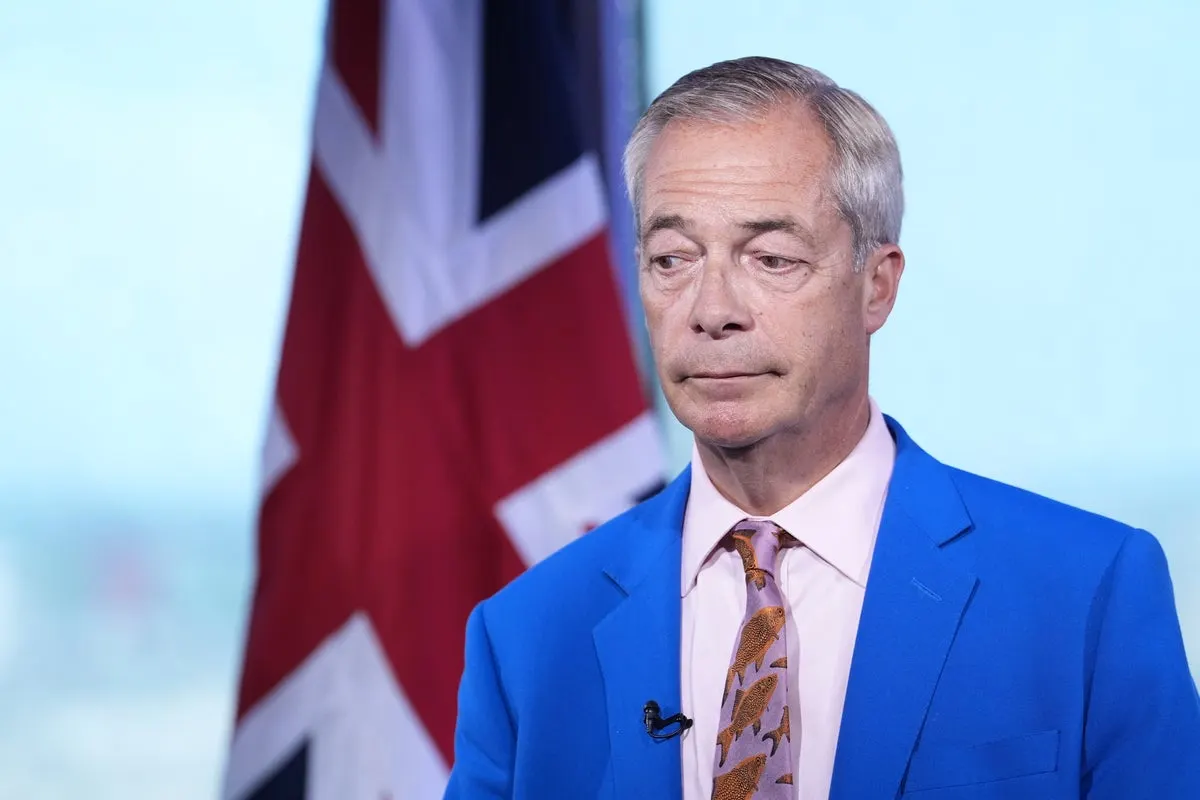
Nigel Farage has been urged to "come clean" after a report claimed he struck a secret deal to return as Reform UK leader months before he publicly announced it, raising fresh doubts over his account of an undeclared £5 million gift. The gift, from crypto-billionaire donor Christopher Harborne, was received in April 2024, and Farage's defence for not registering it has rested on his claim that he "wasn't in politics" between 2021 and June 2024 — a claim now undermined by reports of earlier negotiations with then Reform chief Richard Tice.
The Sunday Times reported that Farage negotiated his return with Tice in March and April 2024, under a deal in which Reform would repay or write off more than £1 million in loans owed to Tice's company once Farage became leader. A Reform source said Farage had initially decided against returning after learning of the party's liabilities, before later reversing that decision. A parliamentary probe into the £5 million gift, paused since Farage stood down as Clacton MP to contest a by-election, would resume if he is re-elected; he also faces scrutiny over support from convicted fraudster George Cottrell. Labour's Bridget Phillipson and the Liberal Democrats' Daisy Cooper both accused Farage of dodging scrutiny and called for transparency.
In short
- Farage faces new claims he secretly agreed his Reform return months early
- Report casts doubt on his defence over undeclared £5m Harborne gift
- Parliamentary probe paused during Clacton by-election, would resume if re-elected
Steelman: both sides, in good faith
The strongest fair case each way — we don't pick a winner.
The case for
One could defensibly argue that private exploratory discussions about a potential future return to politics differ fundamentally from active political engagement, and that disclosure obligations were not intended to capture preliminary conversations if one had not yet definitively committed to re-entry. If Farage was genuinely undecided about returning and merely canvassing possibilities with party officials, this might fall outside what constitutes "being in politics" for regulatory purposes, particularly given inherent ambiguities in how disclosure rules define active political involvement.
The case against
The opposing case holds that negotiating concrete terms for one's return to party leadership—including discussions of party debts and financial arrangements—constitutes unmistakable political activity regardless of whether a final decision was pending. The pattern of claimed non-involvement during months when Farage was actively cutting deals with the party leadership, combined with receiving an undisclosed substantial gift during those same months, suggests a deliberate attempt to circumvent transparency safeguards designed to prevent donors gaining improper influence over political figures and decisions.
Explained simply
Nigel Farage is a British politician who leads Reform UK, a party that campaigns on issues including immigration and the role of government. MPs must register certain gifts and financial support, so the timing and purpose of a donation can affect whether it needs to be declared.
The reported £5 million gift came from Christopher Harborne, a wealthy donor with interests in cryptocurrency. Farage has said he did not declare it because he was outside politics at the time; reports of talks about his return to Reform before he received it have prompted questions about that explanation.
Richard Tice was Reform UK’s leader before Farage returned, and the reported discussions included the party’s debts to a company linked to Tice. The issue matters because Parliament’s rules are intended to make MPs’ financial interests visible to the public.