Technology news and discussion on TalkFuse.
2 Years Later, HBO Max’s 6-Episode Sci-Fi Is Still Worth Watching
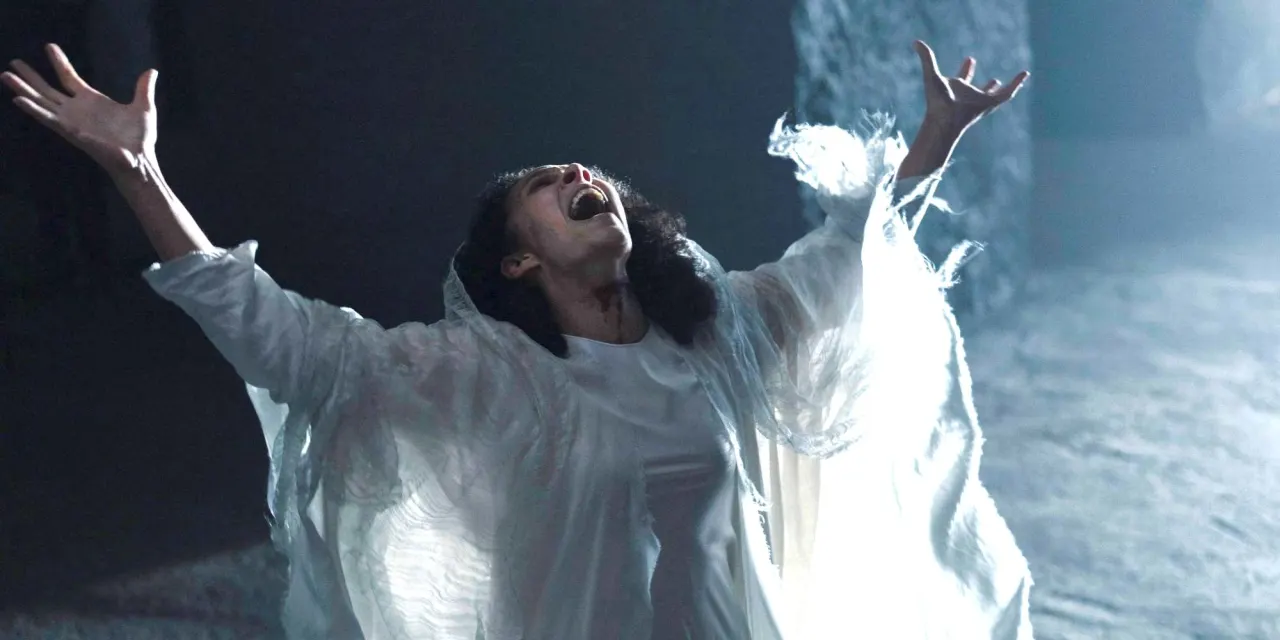
Dune: Prophecy, HBO's 2024 prequel series set thousands of years before the events of the main Dune saga, is being reappraised two years after its debut as an underappreciated addition to the franchise. Though it was overshadowed at launch by higher-profile HBO shows and lacked the splashy reception given to series like House of the Dragon, the article argues its themes have only grown more resonant with time, particularly its exploration of power and artificial intelligence.
The six-episode series follows Valya Harkonnen (Emily Watson), ancestor of the Baron Harkonnen, as she and her sister Tula (Olivia Williams) establish the order that becomes the Bene Gesserit, drawing on Brian Herbert's novel Sisterhood of Dune. It depicts the invention of the Voice, a mind-control technique, and the sisterhood's long-term scheme to breed the messianic Kwisatz Haderach later embodied by Paul Atreides. The show is also shaped by the Butlerian Jihad, the historical war against thinking machines that underpins much of Frank Herbert's original lore but was largely absent from Denis Villeneuve's film adaptations.
In short
- Dune: Prophecy, HBO's 2024 prequel, deserves more recognition two years on
- Six-episode series traces Bene Gesserit origins via Valya and Tula Harkonnen
- Explores Butlerian Jihad and AI themes largely left out of the films
Steelman: both sides, in good faith
The strongest fair case each way — we don't pick a winner.
The case for
The show's initial reception may have been influenced by competitive scheduling and marketing pressures rather than by its actual quality, and its thematic concerns with power dynamics and artificial intelligence have indeed become more culturally resonant in the years since its release. A thoughtful reconsideration reveals substantive science fiction that meaningfully contributes to the Dune universe and merits the audience attention it initially failed to receive.
The case against
A television show's fundamental qualities—narrative structure, performances, pacing—do not improve retrospectively, and initial reception, formed when audiences could evaluate the show on its own merits, typically provides more reliable judgment than later reappraisals shaped by changed cultural conversation or selective nostalgia. Even if its themes prove prescient or relevant, this does not necessarily establish the show as worth watching if its execution falters, and renewed interest may reflect cultural discussion rather than discovery of genuine creative excellence.
Explained simply
Dune: Prophecy is set thousands of years before the events of the main Dune story, in a society still shaped by a war against thinking machines. It follows sisters Valya and Tula Harkonnen as they help build the Bene Gesserit, an order whose members train in physical and mental skills and seek influence across the empire.
The series explores how the order develops the Voice, a technique for controlling others, and begins a generations-long breeding plan intended to produce a powerful figure called the Kwisatz Haderach. That plan eventually leads to Paul Atreides, the central character of the main saga. The story offers background on the Bene Gesserit and the role of artificial intelligence in the wider Dune universe.