World news and discussion on TalkFuse.
Meta straps on a ‘Kick Me’ sign by mistakenly taking down video by India’s prime minister
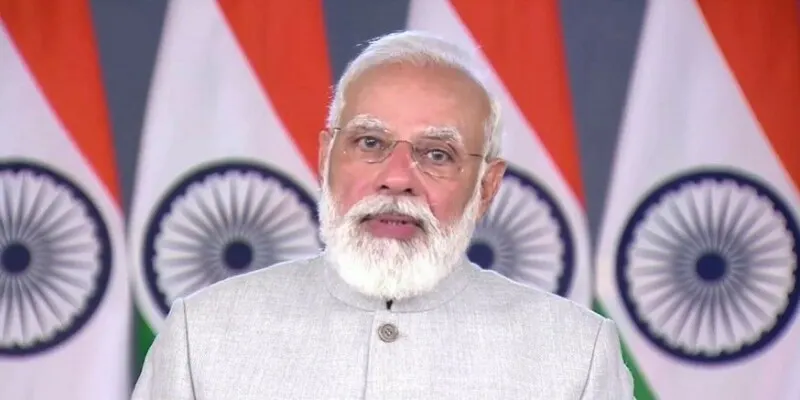
Meta briefly and mistakenly took down a video posted by Indian Prime Minister Narendra Modi, sparking days of public criticism and drawing regulatory scrutiny from the Indian government. The video showed Modi announcing a task force to reform university entrance exams, an issue that has fuelled a wave of youth protests in India after one exam was cancelled amid leaked-question allegations; Meta replaced the clip with a notice claiming it was subject to a legal complaint before restoring it and admitting the removal was an error.
The mistake gave Indian officials an opening to publicly rebuke the company. S. Krishnan, secretary of the Ministry of Electronics and Information Technology, said he has summoned Meta representatives to explain the incident at both policy and technical levels and to address India's specific concerns. Meta has since apologised in writing to the government and introduced new moderation protocols for accounts belonging to prominent figures to prevent similar errors. The episode underscores India's uneasy relationship with Big Tech firms, which it both relies on for development and criticises over content control and market dominance.
In short
- Meta wrongly removed a Modi video, then restored it and apologised
- India's IT ministry has summoned Meta to explain the error
- Meta has introduced new moderation rules for prominent accounts
Steelman: both sides, in good faith
The strongest fair case each way — we don't pick a winner.
The case for
Meta's removal of an Indian Prime Minister's video, even if ultimately corrected, demonstrates the troubling power imbalance between platforms and elected officials in a major democracy. The incident exposes how opaque and sometimes fallible moderation systems can affect the most prominent democratic figures, raising legitimate concerns about Meta's accountability and the inadequacy of self-regulation. India's decision to summon Meta and demand explanations reflects justified governance interests in ensuring that private companies cannot arbitrarily suppress governmental communications, particularly on matters of public importance.
The case against
This was a straightforward operational error by a platform handling billions of content items daily, swiftly corrected with a sincere apology and improved protocols for prominent accounts. Meta's quick restoration of the video and willingness to implement new safeguards demonstrate that existing systems largely work as intended, catching and reversing mistakes efficiently. Treating every error—however minor and well-handled—as evidence of systemic regulatory failure risks imposing burdensome compliance costs and stifling legitimate content moderation without clear public benefit.
Explained simply
India’s university entrance exams determine who can enter many higher education courses. Allegations that questions had been leaked led to one exam being cancelled and protests by young people. Prime Minister Narendra Modi’s video announced a task force to review the system.
Meta owns Facebook and Instagram, where politicians and millions of other people post videos and messages. It uses moderation systems to handle content, including material that may be subject to legal complaints. India’s government oversees rules for online services and has raised concerns about how large technology companies manage content in the country.
The incident sits within a wider debate over the role of foreign technology companies in India. Their services are widely used and seen as important to development, while officials also scrutinise their influence over online speech and markets.
Asia Business Government Markets Politics Space Technology World