Todd Blanche moves closer to confirmation after rescinding $1.8B fund
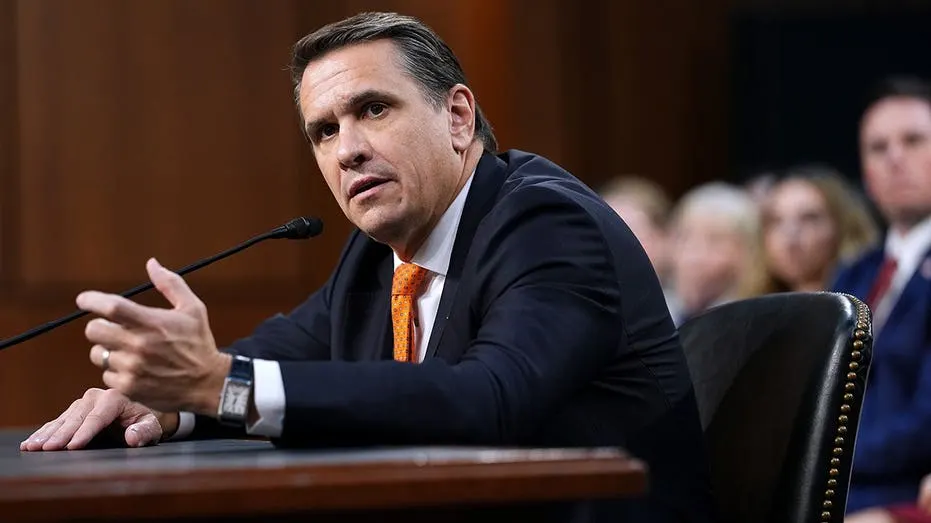
Todd Blanche, President Trump's nominee for Attorney General, has moved closer to Senate confirmation after making significant concessions to Republican senators who opposed his nomination. The key obstacle was a controversial $1.8 billion anti-weaponization fund that Blanche formally rescinded as part of negotiations.
Senators John Cornyn of Texas and Thom Tillis of North Carolina, both Republicans, had held up Blanche's confirmation. After reaching an agreement with the senators, Blanche also narrowed the scope of tax protections included in Trump's IRS settlement. These moves have removed the Senate hold on his nomination and cleared the way for his advancement toward permanent confirmation.
In short
- Acting Attorney General Todd Blanche rescinded a $1.8 billion anti-weaponization fund to resolve Senate opposition to his permanent confirmation.
- GOP Senators John Cornyn and Thom Tillis, who had blocked the nomination, reached an agreement after Blanche also narrowed tax protections in the IRS settlement.
Steelman: both sides, in good faith
The strongest fair case each way — we don't pick a winner.
The case for
Blanche's concessions represent pragmatic compromise essential to advancing a qualified nominee's confirmation. The $1.8 billion anti-weaponisation fund had attracted significant Republican objections, suggesting legitimate questions about its structure or necessity. Securing confirmation of a capable Attorney General serves the national interest more than maintaining a specific fund structure. His willingness to negotiate demonstrates maturity and an understanding that effective leadership requires building consensus, even on difficult issues.
The case against
These concessions are troubling because they remove safeguards designed specifically to protect DOJ independence from executive politicisation. The anti-weaponisation fund, however one judges its merits, represented institutional checks that numerous Democrats and rule-of-law advocates viewed as essential. The parallel narrowing of tax protections suggests a broader pattern of dismantling oversight mechanisms. Rather than demonstrating healthy pragmatism, these concessions show that political pressure can eliminate safeguards intended to prevent the very weaponisation concerns Blanche's fund purportedly addressed.
Explained simply
The attorney general is the United States’ senior government lawyer and leads the Department of Justice. The president nominates someone for the job, but the Senate must approve the choice before they can take office permanently.
Todd Blanche is Donald Trump’s nominee for the role. Republican senators John Cornyn and Thom Tillis had raised objections to his nomination. The $1.8 billion fund at the centre of the dispute was intended to address claims that government agencies had been used against political opponents.
The dispute matters because senators can delay or block a nominee by placing a hold on the confirmation process. It also raised questions about how the proposed fund and tax protections linked to an IRS settlement would be handled.