World news and discussion on TalkFuse.
How TCL’s 2026 TV Range Brings True Competitive PC Gaming to the Couch
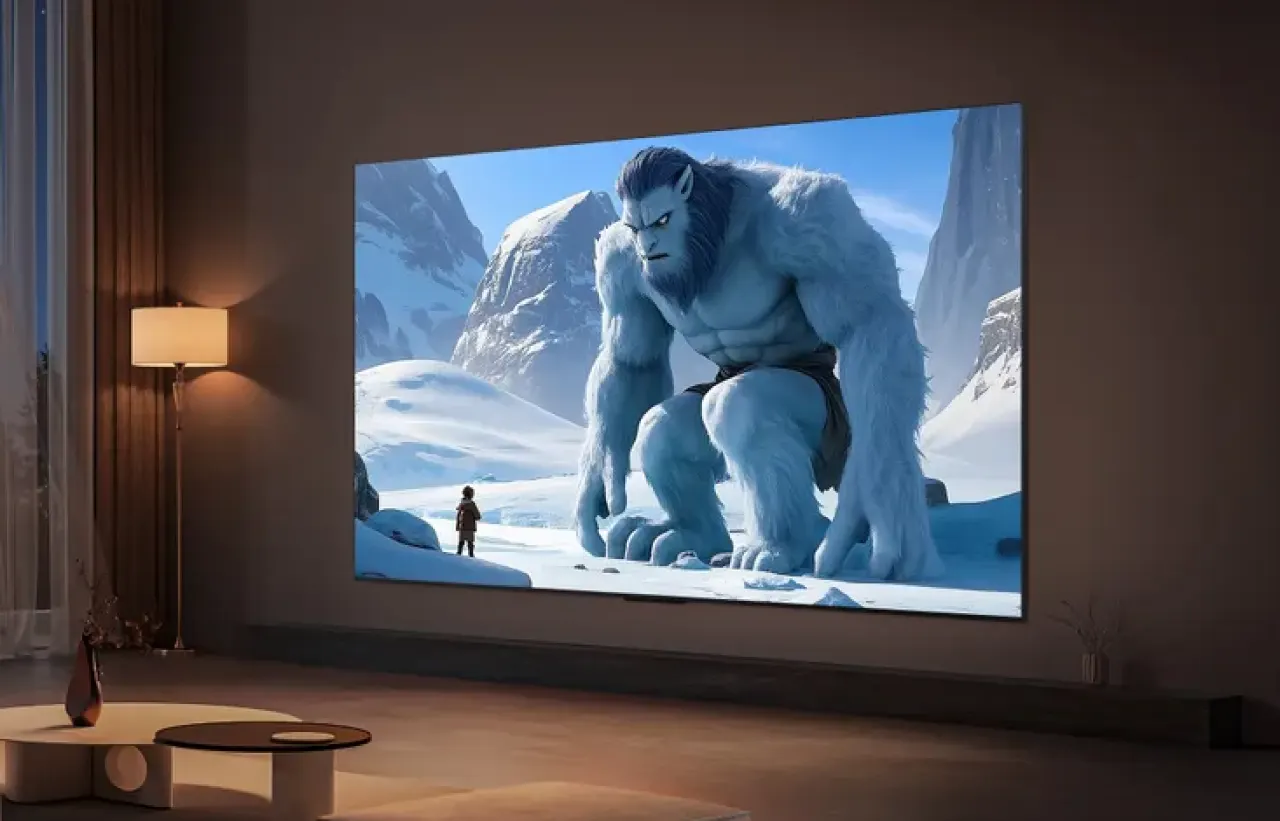
TCL has launched its 2026 SQD Mini-LED TV range in Australia, headlined by the flagship X11L and the more accessible C8L, both aimed squarely at gamers who want high refresh rates and strong HDR on a large screen. The range is built around new "Super Quantum Dot" panel technology, which TCL says offers picture quality that rivals or exceeds RGB Mini-LED and high-end OLED sets, while remaining well suited to bright Australian living rooms.
SQD technology shrinks quantum dots from 60 to 5 nanometres, allowing far finer control over dimming zones and virtually eliminating colour bleed and blooming. The C8L (65 to 98 inches) offers up to 4,000 dimming zones and 6,000 nits of peak brightness, while the flagship X11L (75 to 98 inches) goes further with up to 20,000 dimming zones, 10,000 nits brightness and a slimmer 2cm chassis. Both models share a MediaTek Pentonic 800 processor, native 144Hz 4K refresh rates, four HDMI 2.1 ports, FreeSync Premium Pro, Auto Low Latency Mode and Dolby Vision Gaming, plus a Game Accelerator mode that uses Dual Line Gate technology to push refresh rates up to 288Hz at 1080p for competitive PC gaming.
In short
- TCL unveils 2026 SQD Mini-LED TV range for the Australian market
- Flagship X11L and C8L target gamers with high refresh rates and HDR
- Game Accelerator mode enables up to 288Hz for competitive PC gaming
Steelman: both sides, in good faith
The strongest fair case each way — we don't pick a winner.
The case for
Gaming TVs represent a legitimate and advancing category for consumers seeking immersive, large-screen experiences with genuine technical improvements—144Hz native 4K support, sophisticated HDR for gaming, and low-latency modes now make couch gaming competitively viable for many title genres, particularly story-driven and cooperative play where the expanded screen real estate and visual fidelity create superior immersion compared to traditional monitor setups.
The case against
Dedicated gaming monitors remain purpose-built for gaming excellence and hold inherent advantages in input latency, response consistency, and motion clarity that gaming-focused TV features cannot fully overcome; the "gaming TV" category blurs product categories for marketing advantage, adding complexity and premium pricing without fundamentally solving the design trade-offs between television entertainment and gaming performance that favour purpose-built gaming displays.
Explained simply
TCL is a television maker, and Mini-LED is a screen technology that uses many small lights behind the display to control brightness and contrast. Quantum dots help produce colour; TCL says its new SQD approach gives more precise control and reduces unwanted halos around bright objects. The X11L is the top model, while the C8L is the less costly option in the range.
Refresh rate describes how often a screen updates each second, which can make fast-moving games look smoother. The TVs support 4K images at 144 updates per second, and a mode that trades resolution for rates up to 288 per second. HDMI 2.1 and features such as FreeSync are designed to help TVs work with modern games consoles and PCs, reducing delay or uneven motion.
The range matters to people weighing a large-screen TV against a computer monitor for gaming. Its high brightness may also suit rooms with lots of daylight, while the claimed picture performance and prices will help determine how it compares with other premium TVs.
Americas Entertainment Gaming TV