Culture news and discussion on TalkFuse.
The Delicate Art of Making a 1907 House Smarter
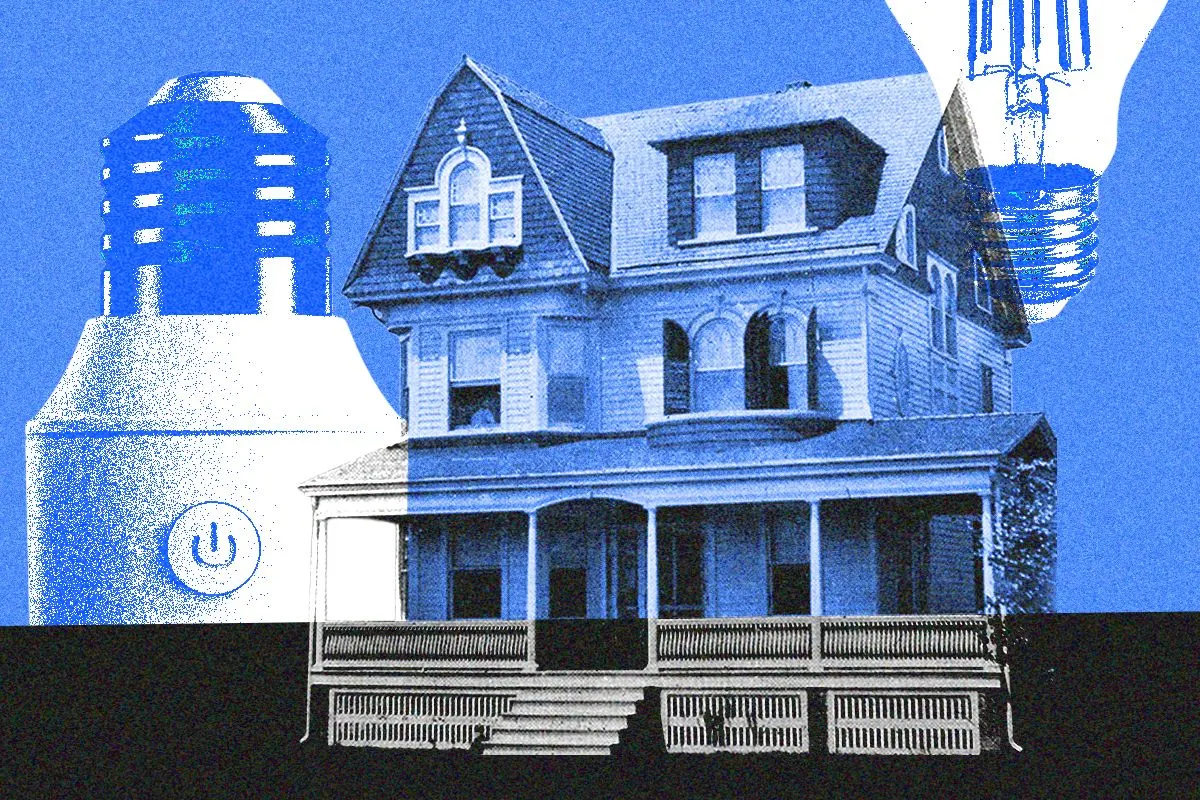
A Wired writer describes the process of gradually adding smart home technology to a 1907 Craftsman house in Portland, Oregon, without compromising its historic character. The house, listed on the National Historic Registry, had no modern systems in place when the couple bought it at the end of 2025, so they have been working through a limited budget and considerable DIY effort to blend period features with modern conveniences. The exercise matters as a practical guide for owners of older or historic properties who want efficiency and convenience gains without visible, jarring alterations.
Key choices so far include replacing a carbon monoxide-leaking furnace and pairing it with an Ecobee Enhanced smart thermostat, chosen for its larger touchscreen, motion-detecting radar and ease of setup; it also provides monthly energy-use reports and has qualified the household for roughly $10 off monthly utility bills through a local rebate scheme. For cooling, rather than installing costly whole-home air conditioning, the couple opted for U-shaped Midea window units, which fit older, only-partially-opening windows (needing just six inches of clearance versus the usual 20), run quietly since the condenser sits outside, and also dehumidify and ventilate the two main bedrooms.
In short
- Wired writer retrofits a 1907 historic Portland home with smart tech.
- Chose Ecobee Enhanced thermostat for design, sensors and energy reports.
- Installed Midea U-shaped AC units suited to old, narrow-opening windows.
Steelman: both sides, in good faith
The strongest fair case each way — we don't pick a winner.
The case for
Historic homes are lived-in spaces where occupants deserve safe, efficient, healthy conditions. Modern systems like properly functioning furnaces and smart thermostats that prevent carbon monoxide leaks and reduce energy consumption serve essential purposes for both resident welfare and the home's long-term preservation. Thoughtfully integrated, non-intrusive technologies—window units that require minimal modification, thermostats that work with existing infrastructure—maintain the home's visible character and original aesthetic whilst enabling sustainability and comfort. This pragmatic stewardship ensures these buildings remain vibrant, occupied parts of communities rather than costly museum pieces inaccessible to ordinary families.
The case against
Historic properties are irreplaceable cultural artefacts whose value lies partly in their original systems and design philosophy. Once authentic elements are replaced—even with careful, hidden upgrades—that historical integrity is permanently lost. Modern smart devices become obsolete within a decade or two, necessitating repeated future interventions and disruption; by contrast, a well-maintained original furnace or period cooling approach demonstrates engineering principles worth preserving as historical record. The slope from necessary replacements to convenience upgrades is slippery: allowing modern technology today risks normalising further modernisation tomorrow. True preservation means respecting not just appearance but the home's authentic character and the design constraints its builders intended, honouring our responsibility as custodians for future generations.
Explained simply
Craftsman houses were built in the early 20th century and are known for features such as woodwork and built-in fittings. Updating one can be difficult because new wiring, heating or cooling equipment may alter its appearance, and older buildings can have limits on what can be changed.
The homeowners are balancing convenience and energy use against cost and the house’s historic character. Their choices matter to other owners of older homes because they show some ways to add modern heating controls and cooling without a large renovation.