Chancellor John Healey faces growing calls to abandon planned Fuel Duty raid on drivers as petrol soars to new post-Iran war high and figures show sky-high prices have cost families £500million this summer
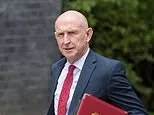
Chancellor John Healey is facing mounting pressure to scrap a planned rise in Fuel Duty after petrol prices climbed to their highest level since the Iran war, piling further strain on drivers and household budgets. Critics argue that pressing ahead with the increase would compound an already painful summer for motorists, with the timing seen as particularly damaging given the recent spike in pump prices.
New figures cited show that elevated fuel prices have already cost British families some £500million over the summer period, intensifying calls from critics for the Chancellor to reconsider the planned duty increase. The article's full detail is limited in the supplied text, but it centres on the financial squeeze facing drivers and the political pressure building on the Treasury to change course.
- Calls grow for Chancellor Healey to scrap planned Fuel Duty rise
- Petrol prices hit new high after Iran war
- High fuel costs have cost families £500million this summer
Both sides, in good faith
The strongest fair case each way — we don't pick a winner.
The case for
Motorists' groups, hauliers and many backbenchers argue that with pump prices already driven to post-Iran-war highs by forces entirely outside the Treasury's control, piling a fuel duty rise on top would compound a genuine cost-of-living shock at the worst possible moment. They point out that driving is not optional for rural households, shift workers and small business owners who have no practical alternative, and that repeated freezes in the past were themselves justified on exactly this basis of protecting hard-pressed families and firms from volatile global energy markets. For them, sticking to a promised freeze is both a matter of economic relief and of keeping faith with drivers who were told duty would not rise.
The case against
Treasury figures and fiscal conservatives would counter that fuel duty is a major and dependable revenue stream, and that yet another freeze – after years of freezes already – continues to erode public finances at a time when borrowing costs and spending pressures are acute, forcing cuts or tax rises elsewhere to fill the gap. They would also argue that keeping fuel artificially cheap blunts the incentive to shift towards electric vehicles and public transport, undermining climate commitments, and that a general duty freeze is a blunt instrument which benefits wealthier, higher-mileage drivers more than it helps the poorest households, who might be better served by targeted support instead.