Culture news and discussion on TalkFuse.
Nigel Farage says he’s ‘open-minded’ on talks with Restore Britain’s Rupert Lowe on a pact to ‘unite the Right’ and reveals he ‘reached out’ to rival
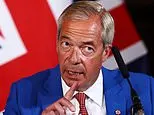
Nigel Farage has signalled he is willing to hold talks with Rupert Lowe, the former Reform UK MP now leading Restore Britain, about a potential electoral pact aimed at "uniting the Right" ahead of the next general election. The Reform UK leader revealed he has already reached out to Lowe, his one-time ally turned rival, despite the pair's acrimonious falling-out after Lowe's departure from Reform amid allegations of bullying and threats, which he denies.
Farage described himself as "open-minded" about cooperation, reflecting concern within right-wing politics that a split vote between Reform and smaller parties such as Restore Britain could hand seats to Labour or the Conservatives. The overture comes as Farage also unveiled his "Operation Fortress" plan, which proposes using the Royal Navy to return Channel migrants to France, underscoring his continued focus on immigration as a core campaign issue. No details of a formal pact or timetable have yet been agreed between the two figures.
In short
- Farage open to talks with Rupert Lowe on uniting the Right
- Farage says he has already "reached out" to his rival
- Comes alongside Farage's new Channel migrant "Operation Fortress" plan
Steelman: both sides, in good faith
The strongest fair case each way — we don't pick a winner.
The case for
Supporters of electoral pacts argue that coordination respects voter preferences when they're spread across ideologically aligned parties. They contend the electoral system creates a strategic problem: when voters supporting similar policies scatter across multiple parties, the system can reward parties opposed to those policies with disproportionate representation. A pact allows voters' genuine preferences to translate into proportionate political power without compromising their core policy goals.
The case against
Opponents insist that electoral pacts compromise fundamental democratic principles by restricting voter choice and eliminating inter-party competition that drives policy improvement and accountability. They argue voters benefit from choosing between distinct parties with different visions and leadership, even when broadly ideologically aligned. Additionally, the documented tension between Farage and Lowe, with disputed bullying allegations, reveals trust issues that could lead to a pact's collapse and betray supporters who believed in the arrangement.
Explained simply
Nigel Farage leads Reform UK, a party that campaigns on reducing immigration and changing the UK’s relationship with Europe. Rupert Lowe was a Reform MP before leaving the party and later taking charge of Restore Britain. The two men were once allies, but their relationship broke down around Lowe’s departure; he denies allegations of bullying and threats.
In UK general elections, candidates compete for individual seats, and parties with similar supporters can split the vote between them. A pact between parties may involve coordinating where they stand, though no agreement or details have been settled here. The possibility matters because cooperation could affect which party wins seats, while immigration remains a central issue in Farage’s campaigning.