Technology news and discussion on TalkFuse.
Square Enix responds to Kingdom Hearts Collection AI controversy two months after players called it out
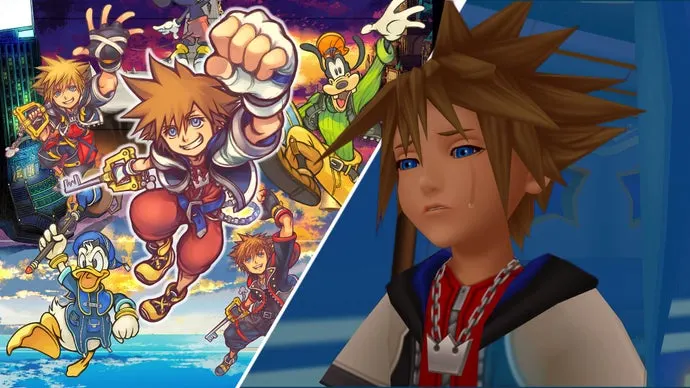
Square Enix has denied using generative AI in promotional artwork for the upcoming Kingdom Hearts Collection 1-3, following accusations from fans that first surfaced in early June. The publisher told GameSpot the images were created by its development team without AI, blaming "human error" for the visual oddities that prompted the backlash, and it pledged to correct the artwork to address fans' concerns.
Players pointed to several inconsistencies in the promotional images, including Donald Duck having five fingers on one hand and four on the other, along with "melting" effects on his zipper, a Keyblade chain that appeared to morph into a different style partway down, inaccurate depictions of Sora's shoes, and oddly bent clock hands on a clock tower. Square Enix's updated version of the artwork has since fixed Donald's hands, but the chain, shoes and clock tower issues remain unaddressed. Kingdom Hearts Collection 1-3 is due for release on PC, Switch 2, PS5 and Xbox Series X/S on 8 October 2026.
In short
- Square Enix denies AI use in Kingdom Hearts Collection artwork, blames human error
- Response comes two months after fans first raised concerns in June
- Updated art fixed Donald Duck's hands but not other flagged issues
Steelman: both sides, in good faith
The strongest fair case each way — we don't pick a winner.
The case for
The specific types of errors—inconsistent finger counts, melting effects, anatomically impossible details—are hallmark signs of generative AI, not typical human mistakes. Professional artists rarely make systematic errors in anatomy across multiple promotional pieces, and the pattern of anomalies is strikingly characteristic of current AI image generation. The company's credibility is further tested by the fact that only some errors were corrected, not all, and the delayed response to public scrutiny raises questions about transparency in an industry increasingly concerned about AI replacing human artists.
The case against
Even experienced human artists make mistakes, particularly when working under deadline pressure or compositing multiple elements together. The partial corrections could reflect different artists being responsible for different sections, or simply prioritising the most obvious errors. Without definitive technical evidence of AI use, attributing these issues to generative AI requires speculation rather than facts. Companies deserve the opportunity to explain their processes, and accepting their denial respects both their statement and the possibility that human imperfection, rather than deceptive technology use, is the genuine explanation.
Explained simply
Kingdom Hearts is a video game series from Square Enix that combines original characters with Disney figures such as Donald Duck. Its stories follow Sora, a young hero who travels between different worlds and uses a weapon called a Keyblade.
The collection brings together games from across the series for several current consoles and PC. Promotional artwork helps publishers present a game to potential buyers, and fans scrutinised this collection’s images for visual errors. Such mistakes can prompt questions about how artwork was made, particularly as generative AI has become a subject of public debate.
AI Art Business Companies Culture Entertainment Gaming Software Technology