Entertainment news and discussion on TalkFuse.
Ariana Grande to withdraw from public life after tour ends
Developed over time first seen 3 months ago
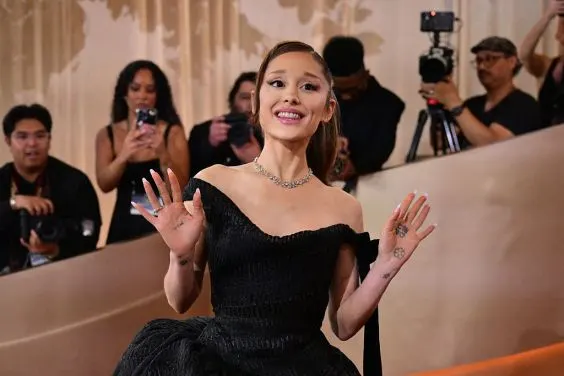
Ariana Grande has confirmed she will withdraw from public life once her Eternal Sunshine Tour concludes on 1 September, citing the cumulative toll of sustained media scrutiny. The announcement follows weeks of intense commentary about her physical appearance, which escalated sharply after the release of her album "petal" and the music video for its title track, whose imagery prompted widespread comparative discussion across media and social platforms.
The withdrawal will affect her professional commitments, most notably a planned West End run in Sondheim and Lapine's "Sunday in the Park with George" in London. Producers have confirmed the production will go ahead as scheduled but with a replacement cast member in her role, allowing Grande to step back from public-facing work as she deals with the effects of prolonged press and public attention.
- Sources
- 2
- Outlets
- 2
- Left · Centre · Right
- 0 · 0 · 0
In short
- Grande to quit public life once her tour ends on 1 September
- Move follows weeks of scrutiny over her appearance and "petal" video
- She'll be replaced in West End's "Sunday in the Park with George"
How this story developed
- 3 months ago Reports converged again on the original account, restating the 1 September tour conclusion, the "petal"-linked scrutiny and the confirmed replacement casting for "Sunday in the Park with George" without introducing any further developments.
- 3 months ago Coverage reiterated the substance of the announcement with only minor phrasing shifts, describing Grande as stepping back from "public visibility" rather than "public life" while confirming no new details had emerged about the tour's end date, the album-driven scrutiny or the West End recasting.
- 3 months ago Ariana Grande announced she will withdraw from public life once her Eternal Sunshine Tour ends on 1 September, blaming sustained media scrutiny that intensified after imagery from her "petal" album and its title track video triggered widespread comparative commentary, with producers confirming a stand-in will take over her role in the West End's "Sunday in the Park with George".
Steelman: both sides, in good faith
The strongest fair case each way — we don't pick a winner.
The case for
The case for withdrawal rests on prioritising mental health and bodily autonomy above contractual obligations. The specific form of scrutiny here—intense, focused commentary on physical appearance, amplified across social media—carries documented psychological harm, particularly when sustained over time. No professional commitment, regardless of impact on others, should require an individual to endure demonstrable harm to their psychological wellbeing and sense of safety in their own body.
The case against
Whilst the psychological toll is genuine and merits serious consideration, professional commitments create obligations to numerous people—producers, crews, co-workers, audiences—who have structured their work around those promises. The difficulty or unhappiness associated with scrutiny does not typically justify breaking major contractual commitments, and doing so would set a significant precedent. There exist other means of protecting wellbeing—therapy, media reduction, reframing—that do not require abandoning professional life entirely.
Explained simply
Ariana Grande is a US singer and actress who rose to fame through Nickelodeon television roles before becoming one of the biggest names in pop music. She has just finished the Eternal Sunshine Tour, promoting her album of the same name, and more recently released a follow-up record called "petal". She is also known for film and stage work, including a recent run in the West End production of "Sunday in the Park with George" in London.
In recent weeks, Grande has faced heavy media and online commentary about her physical appearance, discussion that grew louder after the release of "petal" and the music video for its title track. This kind of scrutiny of celebrities' bodies and looks is a recurring feature of tabloid and social media coverage, and is not unique to Grande, though the intensity in her case has been widely noted.
The story matters because it touches on wider debates about how public figures, particularly women in entertainment, are treated by the press and online audiences, and about the personal cost of fame. It also has practical consequences, since Grande's decision to step back affects a running stage production, meaning producers must arrange for another performer to take her place.