Entertainment news and discussion on TalkFuse.
Razer Blade 16 (2026) review
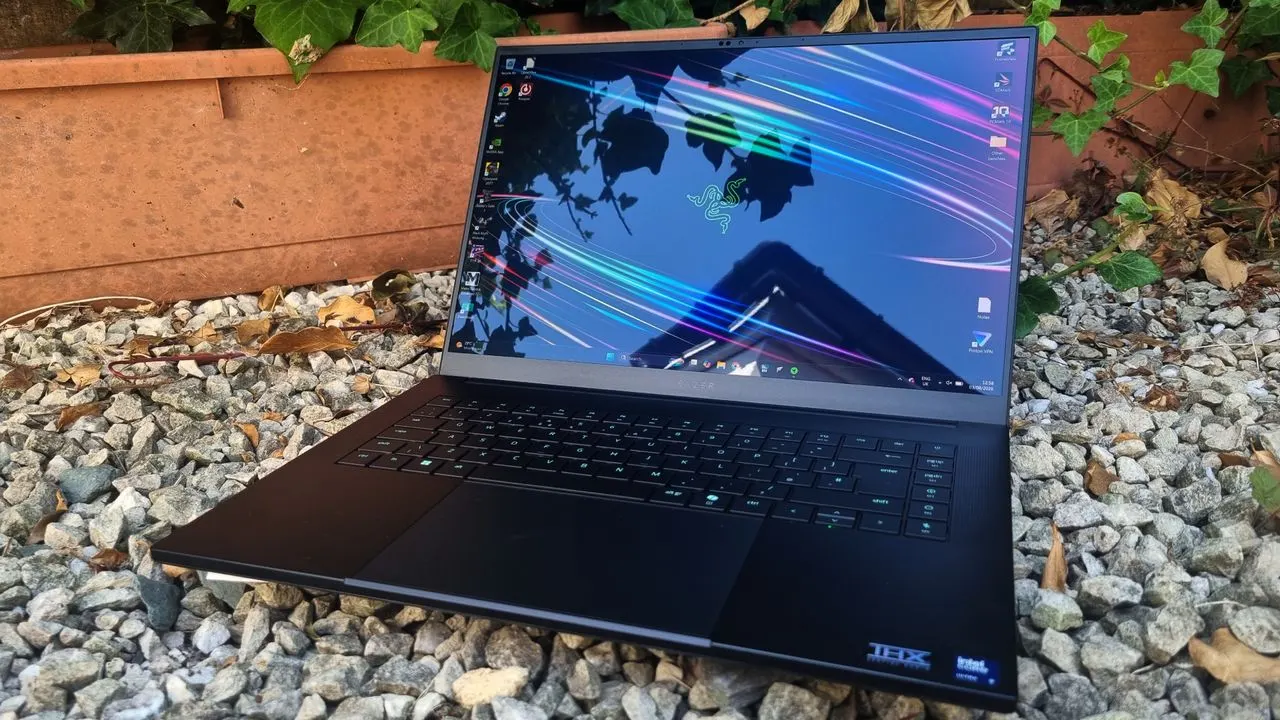
PC Gamer rates the 2026 Razer Blade 16 highly for its premium build, portability, OLED display and strong gaming performance, but says its sharply increased price undermines its value. The review matters because it finds that a flagship, slim gaming laptop can no longer justify its cost simply through top-tier components when cheaper rivals can deliver higher frame rates.
The tested £4,800/$4,900 model combines an Intel Core Ultra 9 386H processor, RTX 5090 graphics, 32GB of memory, a 2TB SSD and a 16-inch 240Hz OLED screen; it earned an 86/100 score. It is faster than the 2025 Blade 16 in most tests, including a 21fps gain in Baldur’s Gate 3 at 1080p, but the less expensive RTX 5080 Lenovo Legion Pro 7i often outperformed it. The Blade remains slim at 2.14kg, though its weaker integrated graphics and high entry prices, starting at $2,400, are further drawbacks.
In short
- Excellent premium laptop, but exceptionally expensive.
- Faster than its predecessor in most games.
- Cheaper Lenovo rival often delivers higher performance.
Steelman: both sides, in good faith
The strongest fair case each way — we don't pick a winner.
The case for
The Razer Blade 16's premium reflects genuine engineering and design excellence: fitting flagship components into a slim 2.14kg chassis with an exceptional OLED display and superior build quality requires specialist engineering that delivers a refined daily experience. For buyers who value powerful gaming performance alongside true portability, this integrated premium justifies the higher cost.
The case against
The Razer Blade 16's sharp price increase cannot be justified by its actual gaming performance, where cheaper rivals frequently deliver superior results. For a device marketed primarily as a gaming laptop, the performance deficit undermines the value proposition—even accounting for superior design and display, consumers pay substantially more whilst accepting inferior frame rates in gaming, the core metric for evaluating such devices.
Explained simply
Gaming laptops combine the parts needed to run demanding games with a built-in screen, keyboard and battery. Razer’s Blade range is designed to be powerful while remaining relatively thin and portable, and competes with models such as Lenovo’s Legion Pro.
A laptop’s graphics chip has a major effect on how smoothly games run, while its screen, weight and construction affect everyday use. Higher-end chips and features such as a fast OLED screen can raise the price considerably, so reviews compare performance and portability with what other laptops offer for the money.
The Blade 16 is a premium option for people who want a gaming computer they can carry around. Its price matters because buyers can weigh its design and screen against less expensive laptops that may deliver similar or better gaming performance.
Entertainment Gadgets Gaming Technology