Video games news, releases, esports and culture — all the biggest gaming stories in one place.
MSI unveils its first 4K OLED monitor using a promising inkjet-printed panel, and it’s not made by Samsung or LG
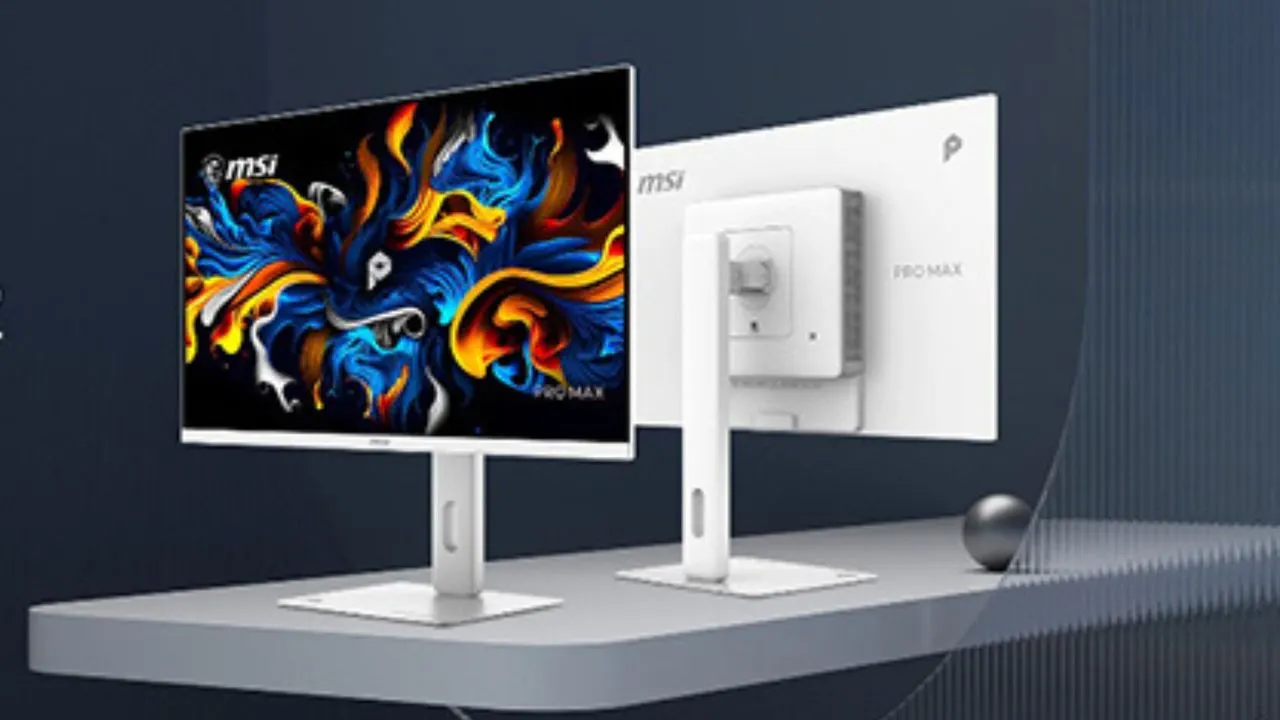
MSI has announced its first 4K OLED gaming monitor using an inkjet-printed OLED panel, marking a departure from the Samsung and LG display technologies that dominate much of the market. The launch matters because it introduces another potential source of high-end OLED panels, which could increase competition and broaden monitor makers’ options.
The panel is described as promising because inkjet printing may offer a different, potentially more efficient manufacturing approach to OLED displays. MSI has not relied on a panel from either Samsung or LG for this model, highlighting the emergence of an alternative supplier in the premium 4K OLED monitor segment.
In short
- MSI’s new 4K OLED monitor uses an alternative inkjet-printed panel.
- It does not use Samsung or LG display technology.
- The launch could encourage greater OLED monitor competition.
Steelman: both sides, in good faith
The strongest fair case each way — we don't pick a winner.
The case for
The emergence of alternative OLED suppliers is beneficial for the market. It breaks Samsung and LG's duopoly control, enabling genuine competition that typically drives cost reductions and accelerates innovation. Diversified supply chains reduce manufacturers' dependency on two suppliers, improving market resilience and security. Promising manufacturing techniques like inkjet printing may offer production efficiencies that eventually make high-quality OLED displays more accessible and affordable for consumers.
The case against
Alternative suppliers, however promising, lack the established quality track records that Samsung and LG have built over decades. Unproven manufacturing processes carry hidden risks—reliability problems often emerge only after extended real-world use. Fragmenting supply across multiple unproven suppliers could compromise quality consistency, complicate support systems for consumers, and undermine confidence in the OLED monitor category before it matures.
Explained simply
OLED displays light each pixel individually, which can produce deep blacks and high contrast. In 4K, the screen has about four times as many pixels as a standard 1080p display, giving games and other images more detail.
Most premium OLED screens come from large suppliers such as Samsung and LG. This monitor uses a panel made with inkjet printing, a different way of forming the display that may use materials more efficiently.
MSI makes gaming hardware, including monitors, while display makers supply the panels inside them. A further source of high-end OLED panels could give monitor makers more choice and increase competition, though the wider effect will depend on how the technology is produced and adopted.