Threat to oil tankers in Middle East worst since start of Iran war, analysts say
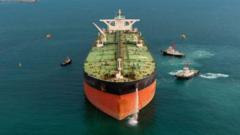
The threat to oil tankers in the Middle East has reached its highest level since the war between Iran and the US began, analysts have warned, after a wave of attacks on vessels in the Red Sea. Ships had increasingly used the Red Sea as an alternative route after Iran blocked the Strait of Hormuz, but attacks by Yemen's Houthi fighters on Saudi tankers there have compounded pressure on global oil flows, with one industry figure describing it as "a problem stacked on top of a problem".
Traffic through the Strait of Hormuz, which once carried around 20% of the world's oil and gas, has collapsed to just eight ships on Sunday and 11 on Saturday, down from more than 100 a day before the war, according to ship-tracking firm Kpler. The Houthis announced a blockade of Saudi Red Sea ports on 20 July, and the number of tankers loading crude for Asia via that route has fallen to about four a day, the lowest since the conflict began, with many vessels disabling their transponders to avoid detection. Iran has denied Donald Trump's claim of talks over reopening the strait, though it says it is in discussions with Oman about securing the waterway.
- Oil tanker threat in Middle East at its worst since Iran war began
- Houthi attacks on Saudi ships in Red Sea compound Hormuz blockage
- Strait of Hormuz traffic down to single digits daily, from 100+ before war