Politics news and discussion on TalkFuse.
Outrage over noncitizens allegedly voting in elections ignites probe into Garden State Dems
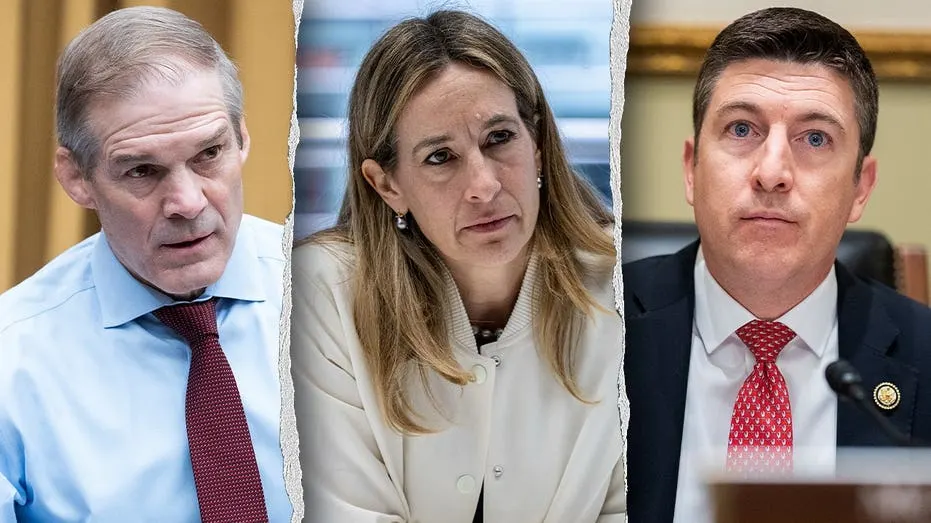
House Republicans, led by Judiciary Committee Chairman Jim Jordan, have launched an investigation into New Jersey's state government after Governor Mikie Sherrill acknowledged that more than 6,000 noncitizens had been added to the state's voter rolls in 2023 and 2024. The revelations have fuelled Republican claims about lax election oversight in the Democratic-run state and have become a flashpoint in the wider national debate over voter roll integrity and immigration enforcement, with GOP figures using the case to press for stricter voter verification measures.
Republicans cite a figure of roughly 6,600 noncitizen sign-ups to the Garden State's voter rolls. Democratic Senator Cory Booker has pushed back on the framing, arguing that the proposed SAVE Act would not have prevented the registrations and that any wrongdoing should be prosecuted at the state level rather than used as justification for federal voting legislation. The dispute reflects a broader partisan clash over how to address noncitizen voting claims, with Republicans favouring congressional scrutiny and Democrats emphasising existing state-level remedies.
In short
- Jim Jordan investigates NJ over 6,600 noncitizen voter registrations.
- Gov. Mikie Sherrill confirmed the registrations occurred in 2023-2024.
- Sen. Cory Booker disputes GOP's SAVE Act solution, wants state prosecution.
Steelman: both sides, in good faith
The strongest fair case each way — we don't pick a winner.
The case for
The registration of over 6,000 noncitizens to New Jersey's voter rolls demonstrates a serious administrative failure that undermines democratic legitimacy. Republicans contend that federal standards and verification measures like the SAVE Act are necessary to prevent such breaches and maintain election integrity across all states; without coordinated safeguards, states will continue to fail at basic security tasks that erode public confidence in voting. They frame stricter verification not as voter suppression but as essential protection for citizens' democratic rights.
The case against
Democrats acknowledge the noncitizen registrations as problematic but argue they do not warrant federal intervention or broad legislative restrictions. They point out that existing state-level mechanisms—including identifying and removing these individuals from rolls—can address the issue without federal overreach; moreover, new voting restrictions risk creating barriers to legitimate voting and infringing on states' constitutional election authority. The solution lies in stronger state-level prosecution and improved administrative practices, not in using isolated errors to justify nationwide changes to voting access.
Explained simply
New Jersey is a US state where elections are run by state and local officials, while Congress can investigate how federal laws are being applied. Governor Mikie Sherrill is the state’s chief executive, and Jim Jordan chairs the House Judiciary Committee, which oversees matters including law enforcement and constitutional rights.
US citizens aged 18 or older can vote in federal elections; noncitizens generally cannot. Republicans say about 6,600 noncitizens were added to New Jersey’s voter rolls in 2023 and 2024, while Senator Cory Booker disputes what this shows about the need for federal legislation.
The dispute is part of a national argument over voter registration checks, election oversight and immigration. It matters because it raises questions about how officials identify and correct registration errors, and about whether Congress or states should take the lead.